《费加罗的婚礼》导赏
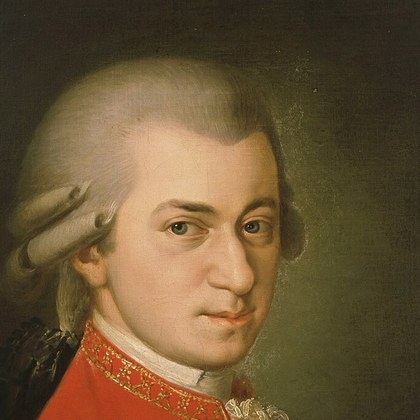
《Le nozze di Figaro》K. 492 · 脚本 Lorenzo Da Ponte · 1786 年 5 月 1 日首演于维也纳城堡剧院
肖像:Barbara Krafft,1819 年(公有领域)
TL;DR (English) — A compact Chinese listening guide to Mozart’s Le nozze di Figaro (K. 492, 1786, libretto by Da Ponte). Complete: all four acts. Every recitativo and every one of the 28 numbers is given in full — Italian / Chinese / English — behind a collapsed disclosure, with a one-line plot TL;DR above it. The Italian follows Da Ponte’s 1786 libretto; the translations are my own.
📺 对照观看:《Le nozze di Figaro》全剧(Bilibili)
🎧 每段标题后面的 ♫ 跳到同一个录音的对应分轨:Mozart: Le nozze di Figaro — René Jacobs 指挥,Concerto Köln / Collegium Vocale Gent,2004(Apple Music)
歌剧的历史
歌剧大概出现在 1600 年前后的意大利佛罗伦萨。当时有一群人想把古希腊悲剧从头唱到尾的演法复原出来,做出来的是一种新的体裁。现存最早的完整歌剧是 Jacopo Peri 的《Euridice》,1600 年首演,内容是俄耳甫斯用歌声打动冥王。这几部最早的作品现在很少上演,了解一下就可以。比较重要的是 1607 年蒙特威尔第的《L’Orfeo》,这是第一部到现在还经常演的歌剧。
之后的一百多年是正歌剧(opera seria)的时期。题材主要是神话和古代帝王,结构比较固定,主要形式是返始咏叹调(aria da capo),就是唱完第一段,中间插一段,然后把第一段再唱一遍,歌手在第二遍里加花炫技。这个时期歌手比作曲家重要。代表人物是亨德尔。
古典时期有人开始改。格鲁克主张音乐要服从戏剧,不要为了炫技打断剧情。然后是莫扎特,他把喜歌剧(opera buffa)写成了有真实人物的戏。
莫扎特之后,意大利这边进入美声(bel canto)的时期,大概是十九世纪前半。代表人物是罗西尼、贝利尼和多尼采蒂。这个时期的重点在旋律和歌唱技巧本身,一首唱段好不好听、歌手能不能唱下来,比剧情重要。罗西尼写得又快又多,《塞维利亚的理发师》(1816)就是他的,讲的正好是《费加罗的婚礼》之前的事。贝利尼的旋律线拉得很长,例如《诺尔玛》(1831)。多尼采蒂写了《爱的甘醇》(1832)和《拉美莫尔的露琪亚》(1835)。威尔第就是接在他们后面出来的。
十九世纪中后期是歌剧的黄金时期。那个时候歌剧是最大众的娱乐,差不多相当于现在的电影。
意大利和德国
歌剧本来是意大利的东西,后来分成了两个传统。十九世纪这两条路各自发展到头,代表人物是威尔第和瓦格纳,两个人是同一年生的(1813)。
意大利这一路,重点在人声。音乐按号码一首一首分开,咏叹调是人物停下来唱的,乐队主要是托着声音。观众去剧院主要是听唱的,唱得好可以当场鼓掌,有时候还会返场再唱一遍。威尔第是这条路的代表,他写了二十多部歌剧,例如《弄臣》(1851)、《游吟诗人》(1853)、《茶花女》(1853),人物的处境和动机都写得很清楚,旋律也比较直接好记。他的作品和意大利统一运动有关系,《纳布科》(1842)里的合唱后来成了民族情绪的象征。他晚年还写了《奥赛罗》(1887)和《法尔斯塔夫》(1893),写《法尔斯塔夫》的时候已经快八十岁了。
德国这一路,重点在乐队。瓦格纳认为歌剧应该是一个整体,音乐、诗、戏剧、舞台合在一起,所以他取消了分开的号码,一幕音乐连着唱完,中间也就没有鼓掌的地方。他用主导动机(Leitmotiv),给人物、物件和概念各配一个短的音型,由乐队来提示。题材用的是北欧和日耳曼神话,例如《尼伯龙根的指环》,这套四联剧他写了二十多年,1876 年才首次完整上演。他还在拜罗伊特建了一个自己的剧院,观众席是暗的,乐池放在台下。
这个区别现在还能看出来:听意大利歌剧中间会被掌声打断很多次,听瓦格纳一般要一直坐到幕落。
《费加罗的婚礼》是在这个分界之前的。它是意大利语写的,也是按意大利的方式一首一首分号码的喜歌剧,但作曲的是一个在维也纳工作的奥地利人。莫扎特两边都写,意大利语的 opera buffa 和德语的歌唱剧(Singspiel,例如《魔笛》,1791)他都写过。
歌剧怎么听
歌剧是一种音乐主导的艺术,重点在于用音乐去推动情感的表达。歌词只交代发生了什么,情感是音乐给的。同样一句话,用不同的调性和节奏唱出来,表达出来的情感可以完全不同。
所以可以先不关注歌词。先大致了解剧情,知道这一场发生了什么、每个人想要什么,然后尝试带入人物的情感去听。等对人物有了感觉,再回过头去看歌词。本篇每段前面的 TL;DR 就是用来先过一遍剧情的。
也不需要一开始就从头听到尾,全剧将近三小时。可以先尝试序曲和歌剧里面最著名的唱段。费加罗的婚礼最著名的几首是:
Sinfonia(序曲) — 四分钟左右,全剧的速度和气氛都在里面。
No. 7 ·《Cosa sento! Tosto andate》 — Atto I 的三重唱。重唱是我个人认为歌剧里面最美的部分:几个人各自不同的情绪、以及他们之间的冲突,在同一段音乐里同时表达出来,这是其他艺术形式很难做到的。这一段里伯爵在发火、巴西里奥在旁边添油加醋、苏珊娜慌得快站不住,三条线同时进行。
No. 9 ·《Non più andrai》 — 全剧最著名的唱段。费加罗送凯鲁比诺去从军,Atto I 由它结束。这首我小的时候在人民公园经常听到,不知道你有没有类似的感受。
No. 11 ·《Voi che sapete》 — 凯鲁比诺唱给伯爵夫人听的一首小歌,旋律很好记。这一段非常有名,中文经常译做《你们可知道什么是爱情》,很好地表达出一种纠结的情绪。
No. 20 ·《Sull’aria… Che soave zeffiretto》 — 伯爵夫人口述、苏珊娜记录的二重唱,两个声部一前一后交替。中文经常译作《西风颂》,就是《肖申克的救赎》里安迪把自己反锁在办公室、用监狱广播放给所有犯人听的那一段。
No. 23 ·《L’ho perduta, me meschina》 — 芭芭丽娜在 Atto IV 开场唱的,只有一分多钟,是全剧唯一一首小调的独唱唱段。一个很小的角色,突然唱出很真的难过。
No. 27 ·《Deh vieni, non tardar》 — 苏珊娜在花园里的唱段,全剧最柔和的一首。
这几首熟悉之后,再从头完整听一遍,对人物就有基础的印象了。
概念辨析
Numero(号码)— 总谱把全剧的音乐切成一个个带编号的段落,No. 1、No. 2……每个号码就是一首完整的曲子(Aria、Duettino、Finale 都算),号码与号码之间靠 recitativo 连起来。说“第几号”等于说“第几首”。
Sinfonia(序曲)— 在总谱里不编号,所以它不是 “No. 0”,后面的 No. 1 才是第一个号码。
Recitativo secco(干宣叙调)— 只有羽管键琴加低音声部托着,按说话的节奏走。剧情几乎全靠它推进,也是最容易被字幕甩掉的部分。
Recitativo accompagnato(伴奏宣叙调,又作 stromentato)— 乐队伴奏的宣叙调,留给情绪失控的时刻,如 Atto III 伯爵的《Hai già vinta la causa》。
Aria(咏叹调)— 正式独唱曲。剧情在这里停住,人物展开自己。
Cavatina(短咏叹调)— 短小、通常单段、不带返始,多用于角色的“亮相”。费加罗的《Se vuol ballare》就是 Cavatina 而非 Aria。
Arietta / Canzona(小咏叹调 / 歌谣)— 更小的歌谣式独唱。凯鲁比诺的《Voi che sapete》即属此类——它在剧情里本来就是一首“当场唱出来的歌”。
Duettino / Terzetto / Sestetto(二重小唱 / 三重唱 / 六重唱)— 按人数分的重唱;词尾 -ino 是指小词,意思是短小的那种,所以 Duettino 比 Duetto 轻。
Finale(终曲)— 幕终的大型连缀段落,不中断、人数层层累加。Atto II 的 Finale 从二重一路叠到七重,是全剧结构的顶点。
Atto I, Scena 1–2 · Sinfonia – No. 3
伯爵府一间还没布置好的房间。今天费加罗和苏珊娜结婚:他在量床,她在试自己做的帽子。
Sinfonia
D 大调 · Presto
全剧的发条。没有慢引子,一上来就是低声部窸窸窣窣的疾走,像有人在暗处来回张罗。它不预告后面任何一个主题,只交代这一天的速度和气口。
情感色彩 兴奋、忙乱、藏着笑意;明亮而不庄严,像赶在出事之前把场子铺好。
✍️ (待写)
No. 1 · Duettino《Cinque… dieci… venti…》
费加罗 (basso-baritono) / 苏珊娜 (soprano)
同台各做各的事:他在量尺寸报数,她要他看自己新做的帽子。乐队先给费加罗一条方正的“量尺”动机,苏珊娜带着另一条抒情旋律插进来,最后他被拉进她的调子,两条线合成一条。
情感色彩 家常、轻快、甜。两条旋律并拢的那一刻是新婚的和睦——也几乎是全剧唯一一次不费力气的和睦。
唱词全文(意 / 中 / 英)
费加罗 Cinque… dieci… venti… trenta… trentasei… quarantatré…
五……十……二十……三十……三十六……四十三……
Five… ten… twenty… thirty… thirty-six… forty-three…
苏珊娜 (对着镜子试帽子) Ora sì ch’io son contenta: sembra fatto inver per me. Guarda un po’, mio caro Figaro, guarda adesso il mio cappello.
这下我可满意了:简直像是专为我做的。看一眼吧,我亲爱的费加罗,看看我这顶帽子。
Now I’m pleased with it — it might have been made for me. Just look, my dear Figaro, look at my hat now.
费加罗 Sì, mio core, or è più bello: sembra fatto inver per te.
是啊,我的心肝,这会儿更好看了:真像是专为你做的。
Yes, my heart, it’s prettier now — it might have been made for you.
两人 Ah, il mattino alle nozze vicino quanto è dolce al mio (tuo) tenero sposo questo bel cappellino vezzoso che Susanna ella stessa si fe’.
啊,婚礼在即的这个早晨,这顶苏珊娜亲手做的漂亮小帽,在我的(你的)新郎眼里有多可爱。
Ah, on this morning so near the wedding, how sweet to my (your) tender bridegroom is this pretty little hat that Susanna made herself.
✍️ (待写)
Recitativo secco 1《Cosa stai misurando》
费加罗在量伯爵“赏”的新房;苏珊娜一句“这房间送你了”把他浇了个透心凉,理由先不说,只点点额头。
对白全文(意 / 中 / 英)
苏珊娜 Cosa stai misurando, caro il mio Figaretto?
你在量什么呢,我亲爱的小费加罗?
What are you measuring, my dear little Figaro?
费加罗 Io guardo se quel letto che ci destina il Conte farà buona figura in questo loco.
我在看伯爵赏给我们的那张床,摆这儿好不好看。
I’m seeing whether that bed the Count has assigned us will look good in this spot.
苏珊娜 E in questa stanza?
就在这个房间里?
In this room?
费加罗 Certo: a noi la cede generoso il padrone.
当然:主人大方,让给我们了。
Of course — our generous master is giving it to us.
苏珊娜 Io per me te la dono.
我这份,送给你了。
My share of it I give right back to you.
费加罗 E la ragione?
理由呢?
And the reason?
苏珊娜 (点着自己的额头) La ragione l’ho qui.
理由在我这儿。
The reason — it’s in here.
费加罗 (也点点自己的额头) Perché non puoi far che passi un po’ qui?
那为什么不能让它过一点到我这儿来?
Why can’t you let a bit of it pass over here?
苏珊娜 Perché non vo’. Sei tu mio servo, o no?
因为我不想。你到底是不是我的仆人?
Because I don’t want to. Are you my servant, or aren’t you?
费加罗 Ma non capisco perché tanto ti spiaccia la più comoda stanza del palazzo.
我真不明白,全府最方便的房间,你怎么这么讨厌。
But I don’t see why the most convenient room in the palace displeases you so.
苏珊娜 Perch’io son la Susanna, e tu sei pazzo.
因为我是苏珊娜,而你是个傻子。
Because I am Susanna — and you are a fool.
费加罗 Grazie: non tanti elogi! Guarda un poco se potriasi star meglio in altro loco.
多谢,夸奖别太多!那你说说,换个地方能好到哪去。
Thank you — spare me the compliments! Let’s see if we’d be better off elsewhere.
No. 2 · Duettino《Se a caso madama la notte ti chiama》
苏珊娜 (soprano) / 费加罗 (basso-baritono)
费加罗演示这房间有多方便:伯爵一摇铃,他两步就到。苏珊娜把同一串铃声接过来算另一笔账——支开你的人,剩下的就是我。唱词里的 din din、don don 就是铃声本身。
情感色彩 表面是打情骂俏,底下已经起疑。苏珊娜越唱越急,费加罗的应答一句比一句冷。
唱词全文(意 / 中 / 英)
费加罗 Se a caso madama la notte ti chiama: din din, in due passi da quella puoi gir. Vien poi l’occasione che vuolmi il padrone: don don, in tre salti lo vado a servir.
万一夫人夜里叫你:叮叮,两步你就到她那儿。等到主人要找我:咚咚,三步我就过去伺候。
If my lady should call you in the night — ding ding — two steps and you’re there. And when the master wants me — dong dong — three bounds and I’m at his service.
苏珊娜 Così se il mattino il caro Contino: din din, e ti manda tre miglia lontan; don don, e a mia porta il diavol lo porta, ed ecco in tre salti…
那么要是哪天早上,可爱的伯爵大人:叮叮,把你支到三里地外;咚咚,魔鬼就把他送到我门口,于是三步之内……
And so one morning the dear little Count — ding ding — sends you three miles off; dong dong — and the devil brings him to my door, and in three bounds…
费加罗 Susanna, pian pian.
苏珊娜,慢点,慢点。
Susanna, gently now.
苏珊娜 Ascolta…
你听我说……
Listen…
费加罗 Fa’ presto.
快说。
Be quick.
苏珊娜 Se udir brami il resto, discaccia i sospetti che torto mi fan.
你要想听下文,就把那些冤枉我的疑心赶走。
If you want to hear the rest, drive off the suspicions that wrong me.
费加罗 Udir bramo il resto: i dubbi, i sospetti gelare mi fan.
我想听下文:这些疑惑和猜测让我发冷。
I want to hear the rest — the doubts, the suspicions, they chill me.
✍️ (待写)
Recitativo secco 2《Or bene, ascolta e taci》
全剧引爆点:伯爵看上的是苏珊娜,想把自己亲手废掉的初夜权从她身上赎回来,巴西里奥是说客。费加罗从得意被打到动真火。铃响,苏珊娜被伯爵夫人叫走。
对白全文(意 / 中 / 英)
苏珊娜 Or bene, ascolta e taci.
好吧,你听着,别出声。
All right then — listen, and keep quiet.
费加罗 Parla, che c’è di nuovo?
说吧,出什么新鲜事了?
Speak — what’s the news?
苏珊娜 Il signor Conte, stanco di andar cacciando le straniere bellezze forestiere, vuole ancor nel castello ritentar la sua sorte, né già di sua consorte, bada bene, appetito gli viene.
伯爵大人在外头猎艳猎腻了,想回府里再试试运气——听清楚,他胃口对着的可不是自己的夫人。
The Count, tired of hunting foreign beauties abroad, wants to try his luck inside the castle again — and mind you, it is not his own wife he has an appetite for.
费加罗 E di chi dunque?
那是对着谁?
Then whom?
苏珊娜 Della tua Susannetta.
对着你的小苏珊娜。
Your own little Susanna.
费加罗 Di te?
你?
You?
苏珊娜 Di me medesma; ed ha speranza che al nobil suo progetto utilissima sia tal vicinanza.
正是本人;他还指望这么近的住处,对他那“高贵的计划”大有用处。
My very self. And he hopes this close little room will serve his noble scheme nicely.
费加罗 Bravo! Tiriamo avanti.
妙啊!接着说。
Bravo! Do go on.
苏珊娜 Queste le grazie son, questa la cura ch’egli prende di te, della tua sposa.
这就是他的恩典,这就是他对你、对你未婚妻的关照。
So much for his favours, and the care he takes of you and your bride.
费加罗 Oh, guarda un po’ che carità pelosa!
哦,瞧瞧这份“毛茸茸的慈善”!
Oh, look at that — charity with strings attached!
苏珊娜 Chetati: or viene il meglio. Don Basilio, mio maestro di canto, e suo mezzano, nel darmi la lezione mi ripete ogni dì questa canzone.
安静,好的还在后头。唐·巴西里奥——我的声乐老师、他的牵线人——每天上课都给我唱这同一首曲子。
Hush — the best is yet to come. Don Basilio, my singing teacher and his go-between, sings me this same little song at every lesson.
费加罗 Chi? Basilio? Oh birbante!
谁?巴西里奥?好个无赖!
Who? Basilio? Oh, the scoundrel!
苏珊娜 E tu credevi che fosse la mia dote merto del tuo bel muso?
你还以为我那份嫁妆,是靠你这张好看的脸挣来的?
And you thought my dowry was a reward for that handsome face of yours?
费加罗 Me n’era lusingato.
我是这么自我陶醉着的。
I had flattered myself so.
苏珊娜 Ei la destina per ottener da me certe mezz’ore… che il diritto feudale…
他给这笔钱,是想从我这儿换几个半小时……照着那条封建权利……
He means it to buy certain half-hours from me — under the old feudal right…
费加罗 Come? Ne’ feudi suoi non l’ha il Conte abolito?
什么?伯爵不是在自己领地上把那条废了吗?
What? Hasn’t the Count abolished that right on his own lands?
苏珊娜 Ebben, ora è pentito, e par che voglia riscattarlo da me.
是啊,可他现在后悔了,看样子想从我身上赎回来。
He did — and now he regrets it, and means to buy it back from me.
费加罗 Bravo! Mi piace! Che caro signor Conte! Ci vogliam divertir: trovato avete… (铃响) Chi suona? La Contessa.
妙!我喜欢!多可爱的伯爵大人!咱们可要好好玩一场——您算是找对人了……谁在摇铃?是伯爵夫人。
Bravo! I like it! What a dear Count! We’re going to have some fun — you’ve picked the right man… Who’s ringing? The Countess.
苏珊娜 Addio, addio, Figaro bello.
再见,再见,我的俊费加罗。
Goodbye, goodbye, my handsome Figaro.
费加罗 Coraggio, mio tesoro.
勇敢点,我的宝贝。
Courage, my treasure.
苏珊娜 E tu, cervello. (下)
你呢,长点脑子。
And you — keep your wits.
Recitativo secco 3《Bravo, signor padrone!》
独自留下的费加罗把整盘棋看穿了:派他去伦敦当信差,留下苏珊娜当“秘密女使”。想通之后直接接进卡伐蒂纳。
对白全文(意 / 中 / 英)
费加罗 Bravo, signor padrone! Ora incomincio a capir il mistero, e a veder schietto tutto il vostro progetto: a Londra, è vero? Voi ministro, io corriero, e la Susanna… secreta ambasciatrice. Non sarà, non sarà! Figaro il dice.
好啊,主人大人!我开始明白这谜底了,您整盘计划看得清清楚楚:去伦敦,是吧?您当公使,我当信差,苏珊娜……当秘密女使。办不到,办不到!这是费加罗说的。
Bravo, my lord and master! Now I begin to see through the mystery and read your whole scheme plainly: to London, is it? You the minister, I the courier — and Susanna… secret ambassadress. It shall not be! Figaro says so.
No. 3 · Cavatina《Se vuol ballare, signor Contino》
费加罗 (basso-baritono)
费加罗单独向不在场的伯爵宣战。用的是小步舞曲——贵族的舞步——意思是:您要跳,我来给您伴奏。中段转 Presto,换成压着嗓子的急促自语,盘算怎么下手。
情感色彩 克制的愤怒。不是咆哮,是鞠躬时露出的牙;舞曲越优雅,话里越狠。
唱词全文(意 / 中 / 英)
费加罗 Se vuol ballare, signor Contino, il chitarrino le suonerò.
伯爵大人要是想跳舞,我来给您弹吉他。
If you want to dance, my little Count, I’ll play the guitar for you.
Se vuol venire nella mia scuola, la capriola le insegnerò.
您要是肯上我的学堂,我教您怎么翻跟头。
If you’ll come to my school, I’ll teach you to caper.
Saprò… Ma, piano: meglio ogni arcano, dissimulando, scoprir potrò.
我会弄清楚的……不过别急:装作不知道,秘密反而挖得更顺手。
I’ll find out… but softly: by playing dumb I’ll uncover every secret the better.
L’arte schermendo, l’arte adoprando, di qua pungendo, di là scherzando, tutte le macchine rovescerò.
一边招架,一边使招,这边刺一下,那边说句笑话,把他所有的机关全掀翻。
Parrying with craft and using craft, pricking here, joking there, I’ll overturn all his machinery.
✍️ (待写)
Atto I, Scena 3–4 · No. 4 – No. 5
同一个房间。费加罗和苏珊娜都不在,换上来的是两个旧人物:老医生巴尔托洛,和他从前的女管家玛切琳娜。
Recitativo secco 4《Ed aspettaste il giorno》
玛切琳娜手里有一张字据:费加罗还不出借款,就得娶她。她挑在婚礼当天发难,算盘是先吓住苏珊娜、撺掇她回绝伯爵,伯爵一恼就会倒向自己。巴尔托洛接过字据——他要报的是当年被费加罗拆散姻缘的旧仇。
对白全文(意 / 中 / 英)
巴尔托洛 Ed aspettaste il giorno fissato a le sue nozze per parlarmi di questo?
你偏偏等到他婚礼这天,才来跟我说这件事?
And you waited for the day fixed for his wedding to tell me about this?
玛切琳娜 Io non mi perdo, dottor mio, di coraggio: per romper de’ sponsali più avanzati di questo bastò spesso un pretesto; ed egli ha meco, oltre questo contratto, certi impegni… so io… basta… conviene la Susanna atterrir; convien con arte impuntigliarla a rifiutare il Conte. Egli per vendicarsi prenderà il mio partito, e Figaro così fia mio marito.
博士,我可没泄气。比这更板上钉钉的婚事,一个由头就够拆散了;何况除了这张字据,他还欠着我别的……我心里有数……不说了。眼下得先把苏珊娜吓住,巧妙地撺掇她去回绝伯爵。伯爵为了报复,自然会站到我这边——费加罗也就成了我的丈夫。
I haven’t lost heart, Doctor. Weddings further along than this one have been broken off on a mere pretext — and besides this contract, he has certain other obligations to me… I know what I know… enough. What we must do is frighten Susanna, and artfully goad her into refusing the Count. He’ll take my side out of revenge — and so Figaro becomes my husband.
巴尔托洛 (接过字据) Bene, io tutto farò: senza riserve tutto a me palesate. (旁白) Avrei pur gusto di dar per moglie la mia serva antica a chi mi fece un dì rapir l’amica.
好,这事我全包了:你一五一十说给我听,别有保留。——当年正是他,把我的意中人从我手里拐走;如今我把这位老女仆配给他,这桩买卖我可太乐意做了。
Good, I’ll see to everything — tell me it all, hold nothing back. (aside) It would give me real pleasure to hand my old servant over as a wife to the man who once had my sweetheart stolen from me.
No. 4 · Aria《La vendetta, oh la vendetta》
巴尔托洛 (basso)
老医生把“复仇”两个字翻来覆去地念。开头摆出正歌剧的庄严架势,中段越说越快,把一串法庭黑话当武器噼里啪啦倒出来,最后变成念咒式的快嘴。
情感色彩 虚张声势的威严。音乐端着大人物的架子,内容却只是一个老头子的私怨,笑点全在这个落差上。
唱词全文(意 / 中 / 英)
巴尔托洛 La vendetta, oh, la vendetta è un piacer serbato ai saggi; l’obliar l’onte, gli oltraggi, è bassezza, è ognor viltà.
复仇,啊,复仇,这是留给聪明人的快乐;把耻辱和冒犯忘掉,那是下贱,是十足的懦弱。
Vengeance, oh, vengeance is a pleasure reserved for the wise. To forget an insult or an outrage is baseness, and always cowardice.
Con l’astuzia, con l’arguzia, col giudizio, col criterio si potrebbe… Il fatto è serio; ma, credete, si farà.
用计谋,用机智,用判断,用眼力,总归办得到……事情是棘手;不过请相信,办得成。
With cunning, with wit, with judgement, with discernment it could be done… The matter is serious; but believe me, it will be done.
Se tutto il codice dovessi volgere, se tutto l’indice dovessi leggere, con un equivoco, con un sinonimo qualche garbuglio si troverà.
哪怕要把整部法典翻一遍,哪怕要把索引从头读到尾,靠一处歧义、一个近义词,总能找出点纠缠不清的名堂。
Though I had to turn over the whole law code, though I had to read the whole index, with an ambiguity, with a synonym, some tangle will be found.
Tutta Siviglia conosce Bartolo: il birbo Figaro vinto sarà!
整个塞维利亚都知道巴尔托洛:费加罗这个无赖,输定了!
All Seville knows Bartolo — the rascal Figaro will be beaten!
✍️ (待写)
Recitativo secco 5《Tutto ancor non ho perso》
巴尔托洛下场。苏珊娜进来,玛切琳娜假装没看见,开始指桑骂槐;苏珊娜在一旁一句句顶回去。两人同时走向门口,撞在一处——直接接进 No. 5 那场“您先请”的互掐。
对白全文(意 / 中 / 英)
玛切琳娜 Tutto ancor non ho perso: mi resta la speranza. Ma Susanna si avanza: io vo’ provarmi… fingiam di non vederla. E quella buona perla la vorrebbe sposar!
我还没全输,希望还在。苏珊娜来了:我来试她一试……装作没看见。就这么个宝贝疙瘩,他居然想娶!
I haven’t lost everything yet — hope remains. But here comes Susanna: let me try her… I’ll pretend not to see her. And that precious little gem is the one he wants to marry!
苏珊娜 (旁白) Di me favella.
她在说我。
She’s talking about me.
玛切琳娜 Ma da Figaro alfine non può meglio sperarsi: “l’argent fait tout”.
不过费加罗嘛,也指望不出更好的了:钱能通神。
But then, no better is to be expected of Figaro: “money does everything.”
苏珊娜 Che lingua! Manco male ch’ognun sa quanto vale.
好一张嘴!幸好人人都知道她有几斤几两。
What a tongue! Luckily everyone knows exactly what she’s worth.
玛切琳娜 Brava! questo è giudizio! Con quegli occhi modesti, con quell’aria pietosa, e poi…
妙啊!真有见识!配上那双规规矩矩的眼睛,那副可怜相,再加上……
Brava! What sound judgement! With those modest eyes, that pitiful air, and then…
苏珊娜 Meglio è partir.
还是走吧。
Better to go.
玛切琳娜 Che cara sposa! (两人同时走向门口,撞在一处)
多可爱的新娘子!
What a dear little bride!
No. 5 · Duettino《Via resti servita, madama brillante》
玛切琳娜 (mezzosoprano) / 苏珊娜 (soprano)
两个人在门口互相让路,满嘴敬语,每一句恭维都是一刀。玛切琳娜拿出身和体面压人,苏珊娜一句句奉还,最后点破对方的岁数,把人气走。
情感色彩 糖衣里的刻薄。音乐自始至终保持着行礼般的端庄,所以越客气越好笑。
唱词全文(意 / 中 / 英)
玛切琳娜 (行礼) Via, resti servita, madama brillante.
请,您先请,光彩照人的夫人。
After you, I beg — brilliant madam.
苏珊娜 (行礼) Non sono sì ardita, madama piccante.
我可不敢,尖刻的夫人。
I wouldn’t be so bold — piquant madam.
玛切琳娜 No, prima a lei tocca.
不,该您先走。
No, you go first.
苏珊娜 No, no, tocca a lei.
不不,该您先。
No, no, you first.
两人 Io so i dover miei, non fo inciviltà.
我懂得自己的本分,不会失礼。
I know my duty — I am not uncivil.
玛切琳娜 La sposa novella!
新娘子!
The new bride!
苏珊娜 La dama d’onore…
体面的夫人……
The lady of honour…
玛切琳娜 Del Conte la bella…
伯爵的美人……
The Count’s beauty…
苏珊娜 Di Spagna l’amore…
全西班牙的宠儿……
The darling of Spain…
玛切琳娜 I meriti…
您的功劳……
Your merits…
苏珊娜 L’abito…
您的衣裳……
Your dress…
玛切琳娜 Il posto…
您的位置……
Your position…
苏珊娜 L’età!
您的岁数!
Your age!
玛切琳娜 Perbacco, precipito, se ancor resto qua!
我的天,再待下去我要气炸了!
By heaven, I shall burst if I stay here any longer!
苏珊娜 Sibilla decrepita! Da rider mi fa.
老掉牙的女巫!真让我发笑。
Decrepit old sibyl! She makes me laugh.
✍️ (待写)
Atto I, Scena 5 · No. 6
玛切琳娜被气走,苏珊娜一个人留在房间里。凯鲁比诺溜进来——他昨天被伯爵撞见跟芭芭丽娜在一起,眼看要被赶出府。
Recitativo secco 6《Va là, vecchia pedante》
苏珊娜先痛快地骂完玛切琳娜。凯鲁比诺进来求她去找伯爵夫人说情,顺口说起自己见了谁都心慌,抢走了苏珊娜手里伯爵夫人的缎带,又塞给她一首自己写的歌,说拿去念给府里每一个女人听。
对白全文(意 / 中 / 英)
苏珊娜 Va là, vecchia pedante, dottoressa arrogante, perché hai letto due libri e seccata madama in gioventù…
去你的吧,老学究,自以为是的女博士——不就是读过两本书,年轻时候缠着夫人烦了几年。
Off with you, you old pedant, you arrogant bluestocking — just because you’ve read a couple of books and pestered my lady in your younger days.
凯鲁比诺 Susanetta, sei tu?
小苏珊娜,是你吗?
Susanetta, is that you?
苏珊娜 Son io, cosa volete?
是我,您有什么事?
It’s me. What do you want?
凯鲁比诺 Ah, cor mio, che accidente!
啊,我的心肝,出事了!
Ah, my dear heart, what a disaster!
苏珊娜 Cor vostro! Cosa avvenne?
您的心肝!到底怎么了?
Your heart, indeed! What’s happened?
凯鲁比诺 Il Conte ieri perché trovommi sol con Barbarina, il congedo mi diede; e se la Contessina, la mia bella comare, grazia non m’intercede, io vado via, io non ti vedo più, Susanna mia!
伯爵昨天撞见我单独和芭芭丽娜在一起,就把我辞退了。要是伯爵夫人——我的好教母——不替我求情,我就得走,再也见不到你了,我的苏珊娜!
The Count caught me alone with Barbarina yesterday and dismissed me. And if the Countess, my dear godmother, doesn’t plead for me, I’ll have to go — and I’ll never see you again, my Susanna!
苏珊娜 Non vedete più me! Bravo! Ma dunque non più per la Contessa secretamente il vostro cor sospira?
再也见不到我!说得好。这么说,您那颗心已经不再偷偷为伯爵夫人叹气了?
Never see me again! Very nice. So your heart no longer sighs in secret for the Countess, then?
凯鲁比诺 Ah, che troppo rispetto ella m’ispira! Felice te, che puoi vederla quando vuoi! Che la vesti il mattino, che la sera la spogli, che le metti gli spilloni, i merletti… Ah, se in tuo loco… Cos’hai lì? Dimmi un poco…
啊,她让我心里只有敬重!你真有福气,想见她随时都能见——早上替她穿衣,晚上替她宽衣,替她别发针、理花边……啊,要是我能站在你的位置上……你手里拿的什么?给我看看。
Ah, she fills me with nothing but reverence! How lucky you are — you can see her whenever you like, dress her in the morning, undress her at night, pin her hair, arrange her lace… Ah, if I were in your place… What’s that you have there? Let me see.
苏珊娜 Ah, il vago nastro e la notturna cuffia di comare sì bella.
不过是你那位漂亮教母的睡帽,和一条好看的缎带。
Only the night-cap and a pretty ribbon belonging to your lovely godmother.
凯鲁比诺 Deh, dammelo, sorella, dammelo per pietà! (抢过缎带)
给我吧,好姐姐,发发慈悲给我吧!
Oh, give it to me, sister — give it to me, for pity’s sake!
苏珊娜 Presto, quel nastro!
快还回来,那条缎带!
Give that ribbon back this instant!
凯鲁比诺 O caro, o bello, o fortunato nastro! Io non te’l renderò che colla vita!
啊,可爱的、美丽的、有福气的缎带!要拿回去,先要我的命!
O dear, o beautiful, o fortunate ribbon! You’ll not get it back while I live!
苏珊娜 Cos’è quest’insolenza?
这是什么无礼的做法?
What is this impertinence?
凯鲁比诺 Eh via, sta cheta! In ricompensa poi questa mia canzonetta io ti vo’ dare.
哎呀,别嚷。作为补偿,我把我写的这首小歌送给你。
Oh, hush now. In exchange I’ll give you this little song of mine.
苏珊娜 E che ne debbo fare?
我拿它做什么用?
And what am I supposed to do with it?
凯鲁比诺 Leggila alla padrona, leggila tu medesma, leggila a Barbarina, a Marcellina, leggila ad ogni donna del palazzo!
念给夫人听,自己也念,念给芭芭丽娜听,念给玛切琳娜听——念给府里每一个女人听!
Read it to my lady, read it yourself, read it to Barbarina, to Marcellina — read it to every woman in the palace!
苏珊娜 Povero Cherubin, siete voi pazzo!
可怜的凯鲁比诺,您是疯了吧!
Poor Cherubino — you’re out of your mind!
No. 6 · Aria《Non so più cosa son, cosa faccio》
凯鲁比诺 (soprano,男孩角色由女声演唱)
凯鲁比诺说不清自己怎么了:见到任何一个女人都心跳加速,忽冷忽热,连对着花草和风说话都行。全曲一口气往前冲,几乎找不到换气的地方。
情感色彩 慌乱,停不下来。不是爱上了某个人,是对所有人都动心而自己也没弄明白——青春期本身的声音。
唱词全文(意 / 中 / 英)
凯鲁比诺 Non so più cosa son, cosa faccio… or di fuoco, ora sono di ghiaccio… ogni donna cangiar di colore, ogni donna mi fa palpitar.
我不知道自己是什么、在做什么……一会儿像火,一会儿像冰……每个女人都让我变脸色,每个女人都让我心跳。
I no longer know what I am or what I’m doing — now I’m fire, now I’m ice. Every woman makes me change colour, every woman sets me trembling.
Solo ai nomi d’amor, di diletto mi si turba, mi s’altera il petto, e a parlare mi sforza d’amore un desio ch’io non posso spiegar!
光是“爱”和“欢愉”这两个词,就让我胸口发乱、发紧,一种我说不清的渴望逼着我谈情说爱。
At the mere words “love” and “delight” my breast is troubled and unsettled, and a longing I cannot explain forces me to speak of love.
Parlo d’amor vegliando, parlo d’amor sognando: all’acque, all’ombre, ai monti, ai fiori, all’erbe, ai fonti, all’eco, all’aria, ai venti che il suon de’ vani accenti portano via con sé…
醒着我说爱,睡着我也说爱:对水、对影、对山,对花、对草、对泉,对回声、对空气、对风——它们把这些没人听的话带走。
Waking I speak of love, dreaming I speak of love — to the waters, the shadows, the hills, the flowers, the grass, the springs, to the echo, the air, the winds that carry my idle words away with them.
E, se non ho chi m’oda… parlo d’amor con me!
要是没有人听我说……我就说给自己听!
And if there’s no one to hear me — I speak of love to myself!
✍️ (待写)
Atto I, Scena 6–7 · No. 7
苏珊娜还没来得及把凯鲁比诺藏好,伯爵就进来了。接着巴西里奥也来了,于是一间屋里两个人先后躲到同一把椅子上——全剧第一个真正的圈套。
Recitativo secco 7《Taci, vien gente… Il Conte!》
伯爵支开下人,当面开价:天黑时到花园里见他一面。话没说完巴西里奥的声音就在门外响起,伯爵自己也得躲。凯鲁比诺趁两人周旋的空档绕到椅子前面蜷起来,苏珊娜一件衣裙把他盖住。
对白全文(意 / 中 / 英)
苏珊娜 (想把凯鲁比诺挡住) Taci, vien gente… Il Conte! Oh, me meschina!
别出声,有人来了……是伯爵!我这下完了!
Quiet — someone’s coming… The Count! Oh, wretched me!
伯爵 (进来) Susanna, tu mi sembri agitata e confusa.
苏珊娜,你看上去心神不定,慌慌张张的。
Susanna, you seem agitated and flustered.
苏珊娜 Signor… io chiedo scusa… ma, se mai… qui sorpresa… Per carità, partite.
大人……请您原谅……万一……有人撞见我在这儿……求您了,快走吧。
Sir… forgive me… but if ever… if I were found here… for pity’s sake, go.
伯爵 Un momento, e ti lascio. Odi.
一会儿就走。你听我说。
One moment, and I’ll leave you. Listen.
苏珊娜 Non odo nulla.
我什么也不听。
I’ll hear nothing.
伯爵 Due parole. Tu sai che ambasciatore a Londra il re mi dichiarò; di condur meco Figaro destinai…
就两句话。你知道国王任命我出使伦敦;我打算带费加罗一起去……
Just two words. You know the King has named me ambassador to London; I’ve arranged to take Figaro with me…
苏珊娜 Signor, se osassi…
大人,要是我敢说……
Sir, if I dared…
伯爵 (站起来,想重新握住她的手) Parla, parla, mia cara! E con quel dritto ch’oggi prendi su me finché tu vivi, chiedi, imponi, prescrivi.
说吧,说吧,我的宝贝!凭你今天在我身上取得的那份权利,只要你活着,尽管求、尽管命令、尽管吩咐。
Speak, speak, my dear! And by the right you gain over me today for as long as you live — ask, command, dictate.
苏珊娜 Lasciatemi, signor; dritti non prendo: non ne vo’, non ne intendo… Oh, me infelice!
放开我,大人;我不取什么权利:不要,也不懂……我真是倒霉!
Let me go, sir. I take no rights — I don’t want them, I don’t understand them… oh, unhappy me!
伯爵 Ah, no, Susanna, io ti vo’ far felice! Tu ben sai quanto io t’amo: a te Basilio tutto già disse. Or senti: se per pochi momenti meco in giardin, sull’imbrunir del giorno… Ah, per questo favore io pagherei…
不,苏珊娜,我是要让你幸福!你清楚我多爱你:巴西里奥都跟你说过了。听着:只要你在天擦黑的时候,陪我在花园里待一会儿……啊,为这点恩惠,我愿意出……
Ah no, Susanna, I mean to make you happy! You know how I love you — Basilio has told you everything. Now listen: if for a few moments, at dusk, you’d come to me in the garden… ah, for that favour I would pay…
巴西里奥 (在门外) È uscito poco fa.
他刚出去。
He went out a little while ago.
伯爵 Chi parla?
谁在说话?
Who’s that?
苏珊娜 Oh, dèi!
天哪!
Oh, heavens!
伯爵 Esci, e alcun non entri.
你出去,别放人进来。
Go out, and let no one in.
苏珊娜 Ch’io vi lasci qui solo?
让我把您一个人留在这儿?
Leave you alone in here?
巴西里奥 (在门外) Da madama ei sarà: vado a cercarlo.
他大概在夫人那儿:我去找他。
He must be with my lady — I’ll go and look for him.
伯爵 (指着椅子) Qui dietro mi porrò.
我躲到这椅子后面。
I’ll station myself behind this chair.
苏珊娜 Non vi celate.
别躲。
Don’t hide.
伯爵 Taci, e cerca ch’ei parta.
别出声,想办法让他走。
Be quiet, and see that he leaves.
苏珊娜 Ohimè! Che fate?
哎呀!您这是干什么?
Oh dear — what are you doing?
Recitativo secco 8《Susanna, il ciel vi salvi》
巴西里奥进来打听伯爵的下落,顺口把话头引到凯鲁比诺身上:那孩子一早就在这屋外转悠,吃饭时老盯着伯爵夫人看。苏珊娜越急他说得越细——而伯爵就在椅子后面全听着。最后伯爵自己忍不住站了出来。
对白全文(意 / 中 / 英)
巴西里奥 Susanna, il ciel vi salvi; avreste a caso veduto il Conte?
苏珊娜,愿上天保佑你;你碰巧看见伯爵了吗?
Susanna, heaven preserve you — have you by any chance seen the Count?
苏珊娜 E cosa deve far meco il Conte? Animo, uscite.
伯爵跟我有什么相干?快走吧。
And what business would the Count have with me? Come on, out you go.
巴西里奥 Aspettate, sentite: Figaro di lui cerca.
等等,听我说:费加罗在找他。
Wait, listen: Figaro is looking for him.
苏珊娜 (旁白) Oh, cielo! (对巴西里奥) Ei cerca chi dopo voi più l’odia.
(天哪!)他找的,正是除了你以外最恨他的人。
(Oh heavens!) He’s looking for the one man who hates him more than anyone — after you.
伯爵 (旁白) Veggiam come mi serve.
(倒要看看她怎么替我办事。)
(Let’s see how well she serves me.)
巴西里奥 Io non ho mai nella moral sentito ch’uno ch’ama la moglie odi il marito. Per dir che il Conte v’ama…
我从没在哪本道德书里读到过,爱妻子的人会恨丈夫。要说伯爵爱你……
I’ve never read in any book of morals that a man who loves the wife hates the husband. As for the Count loving you…
苏珊娜 Sortite, vil ministro dell’altrui sfrenatezza: io non ho d’uopo della vostra morale, del Conte, del suo amor…
滚出去,你这替别人的荒唐跑腿的下作东西:我不需要你的道德,不需要伯爵,也不需要他的爱……
Get out, you vile errand-boy of another man’s lust. I have no use for your morals, for the Count, or for his love…
巴西里奥 Non c’è alcun male. Ha ciascun i suoi gusti: io mi credea che preferir doveste per amante, come fan tutte quante, un signor liberal, prudente e saggio, a un giovinastro, a un paggio…
这又没什么不好。各人有各人的口味:我还以为你会像所有女人一样,宁要一位大方、稳重、明白事理的老爷,也不要一个毛头小子、一个侍童……
No harm in it. Everyone to their taste — I only assumed you’d prefer, as all women do, a generous, prudent, sensible gentleman to some stripling, some page…
苏珊娜 A Cherubino!
凯鲁比诺?!
Cherubino?!
巴西里奥 A Cherubino, Cherubin d’amore, ch’oggi, sul far del giorno, passeggiava qui intorno per entrar…
凯鲁比诺,那个情场上的凯鲁比诺。今天天刚亮,他就在这附近转悠,想进来……
Cherubino — Cherubino the little lover, who was pacing about out here at daybreak this morning, trying to get in…
苏珊娜 Uom maligno! Un’impostura è questa!
你这恶毒的人!这是造谣!
Spiteful man! This is a fabrication!
巴西里奥 È un maligno con voi chi ha gli occhi in testa. E quella canzonetta? Ditemi in confidenza: io sono amico, e ad altrui nulla dico: è per voi, per Madama?
在你眼里,凡是长着眼睛的人都恶毒。那首小歌又是怎么回事?私下告诉我吧,我是朋友,不会说给别人听:那是写给你的,还是写给夫人的?
Anyone with eyes in his head is spiteful, by your account. And that little song of his? Tell me in confidence — I’m a friend, I’ll say nothing to anyone: is it for you, or for my lady?
苏珊娜 Chi diavol gliel’ha detto?
鬼知道是谁告诉他的?
Who the devil told him that?
巴西里奥 A proposito, figlia, istruitelo meglio: egli la guarda a tavola sì spesso, e con tale immodestia, che se il Conte s’accorge… ehi, su tal punto, sapete, egli è una bestia.
对了,姑娘,你得好好教教他:吃饭的时候他老盯着夫人看,那眼神一点不知收敛,要是让伯爵发现……在这件事上,你知道的,他是头野兽。
By the way, my girl, teach him better manners: he looks at her so often at table, and so immodestly, that if the Count notices… on that subject, you know, he’s a beast.
苏珊娜 Scellerato! E perché andate voi tai menzogne spargendo?
无耻之徒!你到处散布这种谎话干什么?
Villain! And why do you go about spreading such lies?
巴西里奥 Io! Che ingiustizia! Quel che compro io vendo. A quel che tutti dicono io non aggiungo un pelo.
我?真冤枉!我买进什么就卖出什么。大家怎么说我就怎么传,一根毫毛都没添。
I? What an injustice! I sell what I buy. To what everyone says, I don’t add a hair.
伯爵 (从椅子后面现身) Come! Che dicon tutti?
什么!大家都在说什么?
What! What is it everyone says?
巴西里奥 (旁白) Oh, bella!
(这下有好戏看了!)
(Oh, excellent!)
苏珊娜 (旁白) Oh, cielo!
(天哪!)
(Oh, heavens!)
No. 7 · Terzetto《Cosa sento! Tosto andate》
伯爵 (basso) / 巴西里奥 (tenore) / 苏珊娜 (soprano)
伯爵当场发作,命令把那个勾引人的小子赶出去;巴西里奥一边道歉一边看热闹;苏珊娜吓得几乎晕过去,两个男人一左一右把她扶向那把椅子——而椅子上正盖着凯鲁比诺。伯爵讲起昨天在芭芭丽娜屋里掀开桌布发现他的经过,一边说一边顺手掀起椅上的衣裙,人就在底下。
情感色彩 三个人唱的是同一段音乐,情绪却完全相反:伯爵在发怒,巴西里奥在幸灾乐祸,苏珊娜在惊惶。重唱最好的地方就在这里,三种心情同时成立,互相不让。
唱词全文(意 / 中 / 英)
伯爵 (对巴西里奥) Cosa sento! Tosto andate, e scacciate il seduttor.
我听见了什么!马上去,把那个勾引人的赶出去。
What do I hear! Go at once and drive out the seducer.
巴西里奥 In mal punto son qui giunto! Perdonate, o mio signor.
我来得真不是时候!请您原谅,大人。
I’ve come at a bad moment! Forgive me, my lord.
苏珊娜 (几乎晕倒) Che ruina, me meschina! Son oppressa dal dolor.
完了,我这个苦命人!我难受得撑不住了。
What ruin — wretched me! I am overcome.
伯爵、巴西里奥 (扶住她) Ah, già svien la poverina! Come, oddio, le batte il cor!
啊,这可怜的姑娘要晕过去了!天哪,她的心跳得这么厉害!
Ah, the poor girl is fainting! Good God, how her heart is pounding!
巴西里奥 (把她往椅子上扶) Pian pianin: su questo seggio…
轻点,轻点:扶到这把椅子上……
Gently now — onto this chair…
苏珊娜 (醒过来) Dove sono? Cosa veggio? Che insolenza! Andate fuor!
我这是在哪儿?我看见了什么?真无礼!你们出去!
Where am I? What do I see? What impertinence! Get out!
伯爵 Siamo qui per aiutarti, non turbarti, o mio tesor.
我们是来帮你的,别慌,我的宝贝。
We’re here to help you — don’t be upset, my treasure.
巴西里奥 (不怀好意) Siamo qui per aiutarvi: è sicuro il vostro onor.
我们是来帮您的:您的名誉保得住。
We’re here to help you — your honour is quite safe.
巴西里奥 (对伯爵) Ah, del paggio quel ch’ho detto era solo un mio sospetto!
啊,我刚才说侍童那些话,不过是我自己的猜测!
Ah, what I said about the page was only my own suspicion!
苏珊娜 È un’insidia, una perfidia: non credete all’impostor.
这是陷害,是居心不良:别信这个骗子。
It’s a trap, a treachery — don’t believe the impostor.
伯爵 Parta! parta, il damerino!
走!让那个小花花公子走!
Let him go — let the little dandy go!
巴西里奥、苏珊娜 Poverino!
可怜的孩子!
Poor boy!
伯爵 (讥讽地) Poverino! Ma da me sorpreso ancor.
可怜的孩子!可我又一次当场逮住了他。
Poor boy! And caught by me once again.
伯爵 Da tua cugina l’uscio ier trovai rinchiuso; picchio, m’apre Barbarina paurosa fuor dell’uso. Io dal muso insospettito, guardo, cerco in ogni sito, ed alzando pian pianino il tappeto al tavolino, vedo il paggio! (说着掀起椅子上的衣裙,凯鲁比诺就在底下) Ah, cosa veggio!
昨天我发现你表妹的门关着;我一敲,芭芭丽娜来开门,神色比平常慌张得多。我看她那样子就起了疑,四处查看,轻轻掀起桌上的台布——看见了那个侍童!啊,我这是看见了什么!
Yesterday I found your cousin’s door shut; I knocked, and Barbarina opened — more frightened than usual. Her face made me suspicious; I looked, searched everywhere, and lifting the table-cloth very gently — I saw the page! Ah, what do I see!
苏珊娜 Ah, crude stelle!
啊,狠心的命运!
Ah, cruel stars!
巴西里奥 (笑) Ah, meglio ancora.
啊,这下更妙了。
Ah, better and better.
伯爵 Onestissima signora, or capisco come va.
最最正派的小姐,现在我全明白了。
Most virtuous lady — now I see how things stand.
巴西里奥 Così fan tutte le belle! Non c’è alcuna novità.
美人儿都是这样!一点也不新鲜。
So do they all, the pretty ones — there’s nothing new in it.
苏珊娜 Accader non può di peggio: giusti dèi! Che mai sarà!
再糟也糟不过这样了:公正的神明啊!这可怎么收场!
Nothing worse could happen — just heavens, what will become of this!
✍️ (待写)
Recitativo secco 9《Basilio, in traccia tosto di Figaro volate》
人赃并获之后的盘问。苏珊娜替凯鲁比诺解释来龙去脉,伯爵一步步追问他究竟躲在哪儿——然后反应过来:自己刚才向苏珊娜开的价,这孩子全听见了。
对白全文(意 / 中 / 英)
伯爵 Basilio, in traccia tosto di Figaro volate: io vo’ ch’ei veda…
巴西里奥,快去把费加罗找来:我要让他看看……
Basilio, fly at once and find Figaro: I want him to see…
苏珊娜 Ed io che senta: andate.
我也要让他听听:去吧。
And I want him to hear. Go.
伯爵 Restate! Che baldanza! E quale scusa, se la colpa è evidente?
站住!好大的胆子!罪证这么清楚,还能有什么辩解?
Stay! What impudence! And what excuse, when the guilt is plain?
苏珊娜 Non ha d’uopo di scusa un innocente.
清白的人不需要辩解。
An innocent person needs no excuse.
伯爵 Ma costui quando venne?
他是什么时候来的?
But when did he come in?
苏珊娜 Egli era meco quando voi qui giungeste, e mi chiedea d’impegnar la padrona, a intercedergli grazia: il vostro arrivo in scompiglio lo pose, ed allor in quel loco si nascose.
您进来的时候,他已经和我在一起了,正求我去请夫人替他说情。您一到,他慌了神,就躲到那儿去了。
He was with me when you arrived, asking me to get my lady to plead for him. Your coming threw him into confusion, and he hid himself there.
伯爵 Ma s’io stesso m’assisi quando in camera entrai!
可我进屋的时候,自己就坐在那张椅子上!
But I sat down in that very chair when I came in!
凯鲁比诺 Ed allor di dietro io mi celai.
那时候我藏在椅子后面。
And then I was hiding behind it.
伯爵 E quando io là mi posi?
那我绕到后面去的时候呢?
And when I moved round behind it?
凯鲁比诺 Allor io pian mi volsi, e qui m’ascosi.
我就轻轻绕到前面,藏在这儿。
Then I slipped quietly round and hid here.
伯爵 Oh, ciel! Dunque ha sentito quello ch’io ti dicea?
天哪!那我刚才对你说的话,他全听见了?
Good heavens! Then he heard everything I was saying to you?
凯鲁比诺 Feci per non sentir quanto potea.
我已经尽量不去听了。
I did my best not to hear.
伯爵 Oh, perfidia!
好个奸猾东西!
Oh, the treachery!
巴西里奥 Frenatevi: vien gente.
克制一点:有人来了。
Control yourself — someone’s coming.
伯爵 (把凯鲁比诺从椅子上拽下来) E voi restate qui, picciol serpente!
你给我待在这儿,小毒蛇!
And you stay right here, you little serpent!
Atto I, Scena 8 · No. 8 – No. 9
费加罗带着一群穿白衣的农民进来,手里拿着一件白纱。这是他设的局:当着所有人的面,把伯爵"废除初夜权"这件事坐实。
No. 8 · Coro《Giovani liete》
合唱(农民们)
农民们一边撒花一边唱,歌颂伯爵的"宽厚"。整段在剧情里是一场当众表演,由费加罗排给伯爵看。
情感色彩 明亮、规整、一派喜气——而这份喜气是排练出来的,伯爵心里清楚,观众也清楚。
唱词全文(意 / 中 / 英)
合唱 Giovani liete, fiori spargete davanti al nobile nostro signor.
快活的姑娘们,在我们高贵的主人面前撒花吧。
Merry young girls, scatter flowers before our noble lord.
Il suo gran core vi serba intatto d’un più bel fiore l’almo candor.
他那颗宽大的心,为你们完好地保住了一朵更美的花的清白。
His great heart keeps unspoiled for you the pure whiteness of a fairer flower.
✍️ (待写)
Recitativo secco 10《Cos’è questa commedia?》
费加罗当众请伯爵亲手给苏珊娜披上白纱,等于逼他公开承认废除了那条权利。伯爵心里骂着"好毒的机灵",面上只能接受,还反过来把这事说成自己还给自然和道义的东西。他答应主持婚礼,但要"稍等一等"——转身就去找玛切琳娜。这一段结束后合唱原样再来一遍,农民们散去。
对白全文(意 / 中 / 英)
伯爵 Cos’è questa commedia?
这是演的哪一出?
What is this piece of theatre?
费加罗 (低声对苏珊娜) Eccoci in danza. Secondami, cor mio.
开场了。配合我,我的心肝。
The dance begins. Back me up, my heart.
苏珊娜 (旁白) Non ci ho speranza.
(我看悬。)
(I’ve no hope of it.)
费加罗 Signor, non isdegnate questo del nostro affetto meritato tributo. Or che aboliste un dritto sì ingrato a chi ben ama…
大人,别嫌弃我们这份出于爱戴的献礼。既然您已经废除了那条让真心相爱的人难堪的权利……
My lord, do not disdain this tribute, which your goodness has earned from us. Now that you have abolished a right so hateful to those who truly love…
伯爵 Quel dritto or non v’è più: cosa si brama?
那条权利已经没有了:你们想要什么?
That right no longer exists. What is it you want?
费加罗 Della vostra saggezza il primo frutto oggi noi coglierem: le nostre nozze si son già stabilite. Or a voi tocca costei, che un vostro dono illibata serbò, coprir con questa, simbolo d’onestà, candida vesta.
今天我们就要尝到您英明的第一个果实:我们的婚事已经定下。现在就请您亲手为这位姑娘——靠您的恩典保住了清白——披上这件白纱,纯洁的象征。
Today we gather the first fruit of your wisdom: our wedding is settled. It falls to you now to cover this girl — whom your gift has kept unspotted — with this white veil, the emblem of her honour.
伯爵 (旁白) Diabolica astuzia! Ma fingere convien. (提高声音) Son grato, amici, ad un senso sì onesto. Ma non merto, per questo, né tributi né lodi: e un dritto ingiusto ne’ miei feudi abolendo, a natura, al dover lor dritti io rendo.
(好毒的机灵!不过只能装下去。)谢谢你们,朋友们,这份心意很正派。不过我当不起什么献礼和颂扬:在我的领地上废掉一条不公道的权利,只是把本该属于自然和道义的东西还回去罢了。
(Diabolical cunning! But I must play along.) I thank you, friends, for so honest a sentiment. But I deserve neither tribute nor praise for it: in abolishing an unjust right on my lands, I merely return to nature and to duty what is theirs.
众人 Evviva, evviva, evviva!
万岁!万岁!万岁!
Long live the Count!
苏珊娜 (带刺) Che virtù!
好德行!
What virtue!
费加罗 Che giustizia!
好公道!
What justice!
伯爵 A voi prometto compier la cerimonia. Chiedo sol breve indugio: io voglio, in faccia de’ miei più fidi, e con più ricca pompa, rendervi appien felici. (旁白) Marcellina si trovi. (提高声音) Andate, amici.
我答应为你们主持这场婚礼。只请稍等一等:我要当着我最信得过的人的面,办得更体面些,让你们称心如意。(去把玛切琳娜找来。)去吧,朋友们。
I promise you I shall perform the ceremony. I ask only a short delay: I want to make you fully happy before my most trusted people, with richer ceremony. (Find Marcellina.) Go, my friends.
Recitativo secco 11《E voi non applaudite?》
只剩下凯鲁比诺没有欢呼。费加罗和苏珊娜一句接一句替他求情,伯爵松口原谅,但转手就把他派去当军官,立刻动身。费加罗让他临走前跟苏珊娜告个别,自己则悄悄说:你走之前我有话跟你说。
对白全文(意 / 中 / 英)
费加罗 / 苏珊娜 / 巴西里奥 Evviva!
万岁!
Hurrah!
费加罗 (对凯鲁比诺) E voi non applaudite?
您怎么不鼓掌?
And you — no applause?
苏珊娜 È afflitto, poveretto, perché il padron lo scaccia dal castello.
他难过呢,可怜的,主人要把他赶出府去。
He’s downcast, poor boy — the master is turning him out of the castle.
费加罗 Ah, in un giorno sì bello!
在这么好的日子!
Ah, on such a fine day!
苏珊娜 In un giorno di nozze!
在办喜事的日子!
On a wedding day!
费加罗 (对伯爵) Quando ognun v’ammira!
在人人都敬佩您的日子!
When everyone so admires you!
凯鲁比诺 (跪下) Perdono, mio signor…
饶了我吧,大人……
Forgive me, my lord…
伯爵 No ‘l meritate.
你不配。
You don’t deserve it.
苏珊娜 Egli è ancora fanciullo.
他还是个孩子。
He’s still a child.
伯爵 Men di quel che tu credi.
没你想的那么小。
Less of one than you think.
凯鲁比诺 È ver, mancai; ma dal mio labbro alfine…
我确实错了;可我嘴里终究……
It’s true, I did wrong; but from my lips, at least…
伯爵 (扶他起来) Ben, ben; io vi perdono. Anzi, farò di più: vacante è un posto d’uffizïal nel reggimento mio; io scelgo voi. Partite tosto; addio.
好吧好吧,我原谅你。而且还要多做一步:我团里空着一个军官的缺,我选你。立刻动身;再见。
Well, well, I forgive you. Indeed I’ll do more: there’s a vacant officer’s post in my regiment, and I choose you for it. Leave at once. Goodbye.
苏珊娜 / 费加罗 Ah! Fin domani sol…
啊!就留到明天也好……
Ah! Only until tomorrow…
伯爵 No, parta tosto.
不行,马上走。
No — he leaves at once.
凯鲁比诺 A ubbidirvi, signor, son già disposto.
遵命,大人,我这就动身。
I am ready to obey you, my lord.
伯爵 Via, per l’ultima volta la Susanna abbracciate. (旁白) Inaspettato è il colpo.
来,最后抱一次苏珊娜吧。(这一下够他受的。)
Come, embrace Susanna one last time. (The blow lands where he least expects it.)
费加罗 Ehi, capitano, a me pure la mano… (低声对凯鲁比诺) Io vo’ parlarti pria che tu parta. (提高声音,装出高兴的样子) Addio, picciolo Cherubino. Come cangia in un punto il tuo destino!
喂,上尉,也跟我握握手……你走之前我有话跟你说。再见了,小凯鲁比诺。你的命运转眼就变了个样!
Hey there, Captain, your hand to me as well… (aside to Cherubino) I want a word with you before you go. (aloud, with feigned cheer) Farewell, little Cherubino. How your fortune changes in a moment!
No. 9 · Aria《Non più andrai, farfallone amoroso》
费加罗 (basso-baritono)
费加罗送凯鲁比诺去从军:从此没有羽毛帽子、没有在女人堆里打转的日子,换成行军、泥地和枪炮。用的全是军乐语汇——小号、定音鼓、进行曲节奏,最后把这孩子直接推上路。Atto I 由它结束。
情感色彩 表面是热热闹闹的送行,底下是幸灾乐祸。费加罗心里很清楚这是被赶走,而且赶走他的人正是刚刚还在跟自己未婚妻讨价还价的那位。
唱词全文(意 / 中 / 英)
费加罗 Non più andrai, farfallone amoroso, notte e giorno d’intorno girando, delle belle turbando il riposo, Narcisetto, Adoncino d’amor.
不用再到处飞了,多情的大蝴蝶,没日没夜绕来绕去,搅得姑娘们不得安生,你这个小纳西索斯、爱神的小阿多尼斯。
No more will you go fluttering about, amorous butterfly, circling night and day, disturbing the ladies’ rest — little Narcissus, little Adonis of love.
Non più avrai questi bei pennacchini, quel cappello leggero e galante, quella chioma, quell’aria brillante, quel vermiglio, donnesco color.
这些漂亮的羽毛没有了,那顶轻巧时髦的帽子没有了,那头头发、那副神气、那副红扑扑的女孩儿气色,都没有了。
No more of these fine plumes, that light and gallant hat, that hair, that brilliant air, that rosy, girlish colour.
Tra guerrieri, poffarbacco! Gran mustacchi, stretto sacco, schioppo in spalla, sciabla al fianco, collo dritto, muso franco, un gran casco, o un gran turbante, molto onor, poco contante, ed invece del fandango, una marcia per il fango.
到了兵里头,好家伙!大胡子,紧身军服,肩上扛枪,腰里挎刀,脖子挺直,一脸正经,一顶大头盔或者一条大头巾,荣誉很多,现钱很少,跳不成凡丹戈舞,换成在泥地里行军。
Among soldiers, by Jove! Great moustaches, a tight knapsack, a musket on your shoulder, a sabre at your side, neck straight, face stern, a big helmet or a big turban, plenty of honour and very little cash — and instead of the fandango, a march through the mud.
Per montagne, per valloni, con le nevi e i sollïoni, al concerto di tromboni, di bombarde, di cannoni, che le palle in tutti i tuoni all’orecchio fan fischiar.
翻山越谷,顶着大雪和毒日头,伴奏是长号、臼炮和大炮,炮弹在各种调门上从你耳边呼啸而过。
Over mountains and through valleys, in snow and in blazing sun, to the concert of trombones, mortars and cannon, whose shot goes whistling past your ear in every key.
Cherubino, alla vittoria! Alla gloria militar!
凯鲁比诺,去夺取胜利!去争取军人的荣耀!
Cherubino, on to victory! On to military glory!
✍️ (待写)
Atto II, Scena 1–3 · No. 10 – No. 12
场景换到伯爵夫人的卧室。全剧的重心从这里开始转移:前一幕都在算计,这一幕有人在真的难过。
No. 10 · Cavatina《Porgi, amor, qualche ristoro》
伯爵夫人 (soprano)
伯爵夫人独自在房里,向爱神求一点慰藉:要么把丈夫的心还给我,要么让我死。这是她在全剧的第一次出场——前面整整一幕所有人都在说她,人一直没露面。
情感色彩 安静、端着、压住的。上一幕刚在军号声里热闹收场,幕一开却是这个,整部戏的分量从这里压下来。唱的人没有任何铺垫,一开口就得撑住全场。
唱词全文(意 / 中 / 英)
伯爵夫人 Porgi, amor, qualche ristoro al mio duolo, a’ miei sospir.
爱神啊,给我的痛苦和叹息一点慰藉吧。
Grant, Love, some relief to my sorrow and my sighs.
O mi rendi il mio tesoro, o mi lascia almen morir.
要么把我的心上人还给我,要么就让我死了算了。
Either give me back my treasure, or at least let me die.
✍️ (待写)
Recitativo secco 12《Vieni, cara Susanna》
苏珊娜把伯爵开价的事讲完。伯爵夫人那句"如今的丈夫:出于惯例而不忠,出于性情而善变,最后出于自尊心,个个都要吃醋"是全剧对伯爵最准的一句判断。费加罗进来摊出完整计划:先用一张假条子让伯爵疑心夫人,再让凯鲁比诺扮成女人去赴他的约,当场被撞破。他唱着《Se vuol ballare》的调子下场。
对白全文(意 / 中 / 英)
伯爵夫人 Vieni, cara Susanna: finiscimi l’istoria.
来,亲爱的苏珊娜:把那件事给我讲完。
Come, dear Susanna — finish the story for me.
苏珊娜 È già finita.
已经讲完了。
It’s finished already.
伯爵夫人 Dunque, volle sedurti?
这么说,他是想勾引你?
So he meant to seduce you?
苏珊娜 Oh, il signor Conte non fa tai complimenti con le donne mie pari: egli venne a contratto di danari.
哦,伯爵大人对我们这种身份的女人不讲这套客气:他是直接来谈钱的。
Oh, the Count doesn’t pay such compliments to women of my station — he came to strike a bargain in money.
伯爵夫人 Ah, il crudel più non m’ama!
啊,这狠心的人已经不爱我了!
Ah, the cruel man loves me no longer!
苏珊娜 E come, poi, è geloso di voi?
那他怎么还为您吃醋?
And yet — how is it he’s jealous of you?
伯爵夫人 Come lo sono i moderni mariti: per sistema infedeli, per genio capricciosi, e per orgoglio, poi, tutti gelosi. Ma se Figaro t’ama, ei sol potria…
就像如今的丈夫们那样:出于惯例而不忠,出于性情而善变,最后出于自尊心,个个都要吃醋。不过要是费加罗真爱你,只有他或许能……
As modern husbands are: unfaithful by habit, capricious by nature — and then, out of pride, every one of them jealous. But if Figaro loves you, he alone might…
费加罗 (在门外哼着小调上) La, la la la, la la la…
啦,啦啦啦,啦啦啦……
La, la la la, la la la…
苏珊娜 Eccolo. Vieni, amico: madama impaziente…
他来了。过来吧,朋友:夫人等不及了……
Here he is. Come, my friend — my lady is impatient…
费加罗 A voi non tocca stare in pena per questo. Alfin, di che si tratta? Al signor Conte piace la sposa mia; indi segretamente ricuperar vorria il diritto feudale: possibile è la cosa, e naturale.
这事不值得您操心。说到底是怎么回事?伯爵大人看上了我的未婚妻;于是想偷偷把那条封建权利收回去。这事有可能,也很自然。
There’s no need for you to distress yourself. What is it all about, after all? The Count fancies my bride, and so he’d like quietly to take back the feudal right. The thing is possible — and natural.
伯爵夫人 Possibil!
有可能!
Possible!
苏珊娜 Natural!
很自然!
Natural!
费加罗 Naturalissima. E, se Susanna vuol, possibilissima.
再自然不过。而且只要苏珊娜愿意,就再可能不过。
Most natural. And if Susanna’s willing, most possible too.
苏珊娜 Finiscila una volta.
你快说完吧。
Do get to the point.
费加罗 Ho già finito. Quindi, prese il partito di sceglier me corriero, e la Susanna consigliera segreta d’ambasciata: e, perch’ella ostinata ognor rifiuta il diploma d’onor ch’ei le destina, minaccia di protegger Marcellina. Questo è tutto l’affare.
说完了。于是他决定派我去当信差,让苏珊娜当使馆的机要顾问;而因为她死活不肯接受他许的那份”荣衔”,他就威胁说要去替玛切琳娜撑腰。整件事就是这样。
I have. So he decided to make me his courier and Susanna his secret adviser to the embassy; and since she obstinately refuses the honour he intends for her, he threatens to take Marcellina’s side. That’s the whole business.
苏珊娜 Ed hai coraggio di trattar scherzando un negozio sì serio?
这么严重的事,你还有心思当笑话讲?
And you have the nerve to treat so serious a matter as a joke?
费加罗 Non vi basta che scherzando io ci pensi? Ecco il progetto. Per Basilio un biglietto io gli fo capitar, che l’avvertisca di certo appuntamento che per l’ora del ballo a un amante voi deste.
我一边说笑一边想办法,还不够吗?计划是这样:我托巴西里奥把一张条子递到他手里,说您约了一位情人,在舞会时分见面。
Isn’t it enough that I think about it while joking? Here’s the plan: through Basilio I’ll get a note into his hands, warning him of a certain rendezvous you’ve granted a lover at the hour of the ball.
伯爵夫人 O ciel! Che sento! Ad un uom sì geloso!…
天哪!这是什么话!对一个这么爱吃醋的人!……
Good heavens, what am I hearing? To so jealous a man!
费加罗 Ancora meglio: così potrem più presto imbarazzarlo, confonderlo, imbrogliarlo, rovesciargli i progetti, empierlo di sospetti, e porgli in testa che la moderna festa, ch’ei di fare a me tenta, altri a lui faccia; onde qua perda il tempo, ivi la traccia. Così, quasi ex abrupto, e senza ch’abbia fatto per frastornarci alcun disegno, vien l’ora delle nozze, e in faccia a lei non fia ch’osi d’opporsi ai voti miei.
那更好:这样才能更快把他弄得手足无措、晕头转向、乱了阵脚,打翻他的盘算,让他满脑子疑心,让他以为自己想对我玩的那套新鲜把戏,正有人在对他玩。于是他在这边耗掉时间,在那边丢掉线索。这样,几乎是猝不及防、他还来不及布置任何阻挠,婚礼的时辰就到了;而当着夫人的面,他也不敢反对我的婚事。
So much the better: we’ll fluster him the sooner, confuse him, tangle him up, overturn his plans, fill him with suspicion, and put it into his head that the fashionable trick he means to play on me is being played on him. He’ll lose his time here and the scent there. Then, almost out of nowhere, before he’s laid any plan to thwart us, the hour of the wedding comes — and in her presence he won’t dare oppose my vows.
苏珊娜 È ver; ma in di lui vece s’opporrà Marcellina.
是啊;可他不出面,玛切琳娜会出面反对。
True — but Marcellina will oppose them in his place.
费加罗 Aspetta: al Conte farai subito dir che verso sera attendati in giardino: il picciol Cherubino, per mio consiglio non ancor partito, da femmina vestito, faremo che in tua vece ivi se n’ vada. Questa è l’unica strada onde monsù, sorpreso da madama, sia costretto a far poi quel che si brama.
等等:你马上去跟伯爵说,傍晚在花园里等他。小凯鲁比诺——他听了我的话还没走——我们把他打扮成女人,替你去赴这个约。只有这一条路:让那位老爷被夫人当场撞见,然后不得不照我们的意思办。
Wait: send word to the Count at once that you’ll wait for him in the garden towards evening. Little Cherubino — who on my advice hasn’t left yet — we’ll dress as a woman and send in your place. That’s the only way to have monsieur caught by my lady, and then forced to do as we wish.
伯爵夫人 Che ti par?
你觉得呢?
What do you think?
苏珊娜 Non c’è mal.
不坏。
Not bad.
伯爵夫人 Nel nostro caso…
就我们眼下的处境……
In our situation…
苏珊娜 Quand’egli è persuaso… E dove è il tempo?
只要他肯信……可时间够吗?
If he can be convinced… but where’s the time?
费加罗 Ito è il Conte alla caccia, e per qualch’ora non sarà di ritorno. Io vado, e tosto Cherubino vi mando: lascio a voi la cura di vestirlo.
伯爵打猎去了,几个钟头之内回不来。我这就走,马上把凯鲁比诺送来:打扮的事交给你们。
The Count has gone hunting and won’t be back for some hours. I’m off, and I’ll send Cherubino to you at once — I leave the dressing of him to you.
伯爵夫人 E poi?
然后呢?
And then?
费加罗 E poi… (接着 No. 3 的调子,唱着"要是您想跳舞"下场)
然后……
And then…
Recitativo secco 13《Quanto duolmi, Susanna》
凯鲁比诺被叫进来。苏珊娜要他把那首自己写的歌唱给伯爵夫人听,伯爵夫人亲手把吉他递过去。
对白全文(意 / 中 / 英)
伯爵夫人 Quanto duolmi, Susanna, che questo giovinetto abbia del Conte le stravaganze udite, ah, tu non sai!… Ma per qual causa mai da me stessa ei non venne?… Dov’è la canzonetta?
苏珊娜,一想到这孩子听见了伯爵那些荒唐话,我心里有多难受,你不知道!……可他为什么不自己来找我?……那首小歌呢?
You don’t know how it pains me, Susanna, that the boy overheard the Count’s extravagances… But why on earth didn’t he come to me himself? Where is that little song?
苏珊娜 Eccola: appunto facciam che ce la canti. Zitto, vien gente: è desso. Avanti, avanti… Signor uffiziale.
在这儿:正好让他唱给我们听。嘘,有人来了:就是他。进来,进来……军官大人。
Here it is — let’s have him sing it to us. Hush, someone’s coming: it’s him. In you come… Signor Officer.
凯鲁比诺 Ah, non chiamarmi con nome sì fatale! Ei mi rammenta che abbandonar degg’io comare tanto buona.
啊,别用这么要命的称呼叫我!它提醒我,我得离开这么好的一位教母。
Ah, don’t call me by that fatal name! It reminds me that I must leave so kind a godmother.
苏珊娜 E tanto bella!
而且这么美!
And so beautiful a one!
凯鲁比诺 Ah… sì… certo…
啊……是……当然……
Ah… yes… of course…
苏珊娜 (学他的腔调) Ah… sì… certo… (旁白) Ipocritone! Via, presto! La canzone che stamane a me deste a Madama cantate.
啊……是……当然……(好个装模作样的!)快,把你今天早上给我的那首歌,唱给夫人听。
Ah… yes… of course… (What a little hypocrite!) Come along, quickly — sing my lady the song you gave me this morning.
伯爵夫人 (打开歌纸) Chi n’è l’autor?
作者是谁?
Who wrote it?
苏珊娜 (指着凯鲁比诺) Guardate: egli ha due braccia di rossor sulla faccia.
您看他:脸红得能滴出血来。
Look at him — the blush on his face gives him away.
伯爵夫人 Prendi la mia chitarra e l’accompagna.
把我的吉他拿去给他伴奏。
Take my guitar and accompany him.
凯鲁比诺 Io sono sì tremante… ma se Madama vuole…
我抖得厉害……不过要是夫人想听……
I’m trembling so… but if my lady wishes it…
苏珊娜 Lo vuole, sì, lo vuol… manco parole.
她想听,想听……少废话。
She wishes it, yes she does — fewer words.
No. 11 · Canzone《Voi che sapete che cosa è amor》
凯鲁比诺 (soprano,男孩角色由女声演唱)
凯鲁比诺当着伯爵夫人和苏珊娜的面,唱自己写的那首歌,苏珊娜用吉他伴奏(乐队里由拨弦的木管与弦乐模仿吉他)。这是全剧少数"剧中人真的在唱歌"的段落——戏里的人物也听得见。中文常译《你们可知道什么是爱情》。
情感色彩 一种说不清的状态被写得很清楚:忽冷忽热、坐立不安、自己也不明白。而他唱给听的那个人,就坐在眼前。
唱词全文(意 / 中 / 英)
凯鲁比诺 Voi che sapete che cosa è amor, donne, vedete s’io l’ho nel cor.
你们这些懂得什么是爱情的女士,看看我心里有没有它。
You who know what love is, ladies, see whether I have it in my heart.
Quello ch’io provo vi ridirò; è per me nuovo, capir no ‘l so.
我把自己的感觉说给你们听;这对我是新的,我弄不明白。
What I feel I’ll tell you; it is new to me, and I can’t make sense of it.
Sento un affetto pien di desir ch’ora è diletto, ch’ora è martir.
我心里有一种满是渴望的情绪,一会儿是快乐,一会儿是折磨。
I feel an emotion full of longing, now a delight, now a torment.
Gelo, e poi sento l’alma avvampar, e in un momento torno a gelar.
我发冷,接着又觉得整个人烧起来,转眼又冷下去。
I freeze, then feel my soul catch fire, and in a moment I’m cold again.
Ricerco un bene fuori di me, non so chi ‘l tiene, non so cos’è.
我在身外找一样好东西,不知道在谁手里,也不知道它是什么。
I seek some good outside myself; I don’t know who holds it, I don’t know what it is.
Sospiro e gemo senza voler, palpito e tremo senza saper, non trovo pace notte né dì: ma pur mi piace languir così.
我不由自主地叹气呻吟,莫名其妙地心跳发抖,白天夜里都静不下来;可我偏偏喜欢这样煎熬着。
I sigh and moan without meaning to, I throb and tremble without knowing why, I find no peace by night or day — and yet I like languishing so.
✍️ (待写)
Recitativo secco 14《Bravo! Che bella voce!》
开始换装。苏珊娜量了量身量,发现两人一般高。趁她去拿软帽,凯鲁比诺把怀里的委任状给伯爵夫人看——急着把人赶走,连印都忘了盖。
对白全文(意 / 中 / 英)
伯爵夫人 Bravo! Che bella voce! Io non sapea che cantaste sì bene.
唱得好!多好的嗓子!我不知道你唱得这么好。
Bravo! What a lovely voice! I didn’t know you sang so well.
苏珊娜 Oh, in verità egli fa tutto ben quello ch’ei fa. Presto, a noi, bel soldato: Figaro v’informò…
说实话,他做什么都做得好。快过来,漂亮兵哥:费加罗跟你说过了吧……
Oh, in truth he does everything he does well. Now then, handsome soldier — Figaro told you…
凯鲁比诺 Tutto mi disse.
全说了。
He told me everything.
苏珊娜 Lasciatemi veder. Andrà benissimo: siam d’uguale statura… giù quel manto…
让我比一比。正合适:我们一般高……把斗篷脱了……
Let me see. It’ll do perfectly — we’re the same height… off with that cloak…
伯爵夫人 Che fai?
你干什么?
What are you doing?
苏珊娜 Niente paura.
别怕。
Nothing to be afraid of.
伯爵夫人 E se qualcuno entrasse?
万一有人进来呢?
And if someone came in?
苏珊娜 Entri: che mal facciamo? La porta chiuderò. Ma come, poi, acconciargli i capelli?
进来就进来:我们又没做什么坏事。我把门锁上。可头发怎么办呢?
Let them: what harm are we doing? I’ll lock the door. But how are we to do his hair?
伯爵夫人 Una mia cuffia prendi nel gabinetto. Presto!
到小间里拿一顶我的软帽来。快!
Fetch one of my caps from the closet. Quickly!
伯爵夫人 Che carta è quella?
那是什么文书?
What paper is that?
凯鲁比诺 La patente.
委任状。
My commission.
伯爵夫人 Che sollecita gente!
这帮人办事可真利索!
What prompt people they are!
凯鲁比诺 L’ebbi or da Basilio.
刚从巴西里奥那儿拿到的。
Basilio gave it to me just now.
伯爵夫人 Dalla fretta obliato hanno il sigillo.
急成这样,连印都忘了盖。
In their haste they’ve forgotten the seal.
苏珊娜 (拿着软帽回来) Il sigillo di che?
什么印?
The seal of what?
伯爵夫人 Della patente.
委任状的印。
Of the commission.
苏珊娜 Cospetto! Che premura! Ecco la cuffia.
嚯!这么着急!帽子拿来了。
Goodness, what a hurry! Here’s the cap.
伯爵夫人 Spicciati: va bene. Miserabili noi, se il Conte viene.
快点:这样就好。要是伯爵回来,我们就完了。
Hurry — that’s right. Heaven help us if the Count comes.
No. 12 · Aria《Venite, inginocchiatevi》
苏珊娜 (soprano)
苏珊娜一边给凯鲁比诺梳头、戴帽、整理领口,一边指挥他摆姿势:跪下、别动、转过来、眼睛看我、别看夫人。整首就是一场当场进行的化妆,音乐跟着手上的动作走。最后她小声对夫人说:你看这小坏蛋,长得多好看——难怪女人都喜欢他。
情感色彩 轻快、利落、带点捉弄。底下还压着一层:被打扮成女孩的少年,和他那双一直偷看夫人的眼睛。
唱词全文(意 / 中 / 英)
苏珊娜 (让凯鲁比诺跪在面前) Venite… inginocchiatevi… restate fermo lì… Pian piano, or via, giratevi… bravo… va ben così.
过来……跪下……别动,就待在那儿……慢点,好,转过去……好样的……这样就对了。
Come here… kneel down… hold still there… gently now, turn round… good… that’s right.
La faccia ora volgetemi, olà! Quegli occhi a me… drittissimo… guardatemi… Madama qui non è.
现在把脸转过来对着我,喂!眼睛看我这边……坐直了……看着我……夫人不在这边。
Now turn your face to me — hey! Those eyes on me… sit up straight… look at me… my lady is not over there.
Più alto quel colletto… Quel ciglio un po’ più basso… le mani sotto il petto… vedremo poscia il passo, quando sarete in piè.
领子再高一点……眉毛压低一点……手放在胸前……等站起来,再看看走路的样子。
That collar higher… that brow a little lower… hands in front of your chest… we’ll see about the walk when you’re on your feet.
Mirate il bricconcello, mirate quanto è bello! Che furba guardatura, che vezzo, che figura! Se l’amano le femmine, han certo il lor perché.
您看这小坏蛋,看他多好看!这眼神多机灵,这副模样,这身段!女人要是喜欢他,总归是有道理的。
Look at the little rascal, look how pretty he is! What a sly glance, what charm, what a figure! If women love him, they have their reasons.
✍️ (待写)
Recitativo secco 15《Quante buffonerie!》
卷袖子的时候,伯爵夫人认出了凯鲁比诺绑在胳膊上的那条缎带——正是上一幕被他抢走的、属于她自己的那条,上面还有血。她支开苏珊娜去拿药布,自己对着缎带发了会儿怔。两个人的对话越来越危险,凯鲁比诺快要说出不该说的话——这时门被敲响了。
对白全文(意 / 中 / 英)
伯爵夫人 Quante buffonerie!
真能胡闹!
What foolery!
苏珊娜 Ma se ne sono io la medesma gelosa! Ehi, serpentello, volete tralasciar d’esser sì bello?
我自己都要吃他的醋了!喂,小毒蛇,你能不能别长得这么好看?
Why, I’m jealous of him myself! Here, you little serpent — would you kindly stop being so pretty?
伯爵夫人 Finiam le ragazzate. Or quelle maniche oltre il gomito gli alza, onde più agiatamente l’abito gli si adatti.
别闹孩子气了。把他的袖子卷到肘上去,衣服才好穿。
Enough childishness. Now push those sleeves up above the elbow, so the dress sits better on him.
苏珊娜 Ecco.
好了。
There.
伯爵夫人 Più indietro. Così… Che nastro è quello?
再往上一点。这样……那条缎带是怎么回事?
Further back. Like that… What ribbon is that?
苏珊娜 È quel ch’esso involommi.
就是他从我这儿抢走的那条。
It’s the one he stole from me.
伯爵夫人 (解下缎带) E questo sangue?
这血又是怎么回事?
And this blood?
凯鲁比诺 Quel sangue… Io non so come… poco pria, sdrucciolando in un sasso… la pelle io mi graffiai, e la piaga col nastro io mi fasciai.
那血……我也说不清……刚才在石头上滑了一下,擦破了皮,就用缎带把伤口扎住了。
That blood… I hardly know how… a little while ago I slipped on a stone, grazed the skin, and bound the cut with the ribbon.
苏珊娜 Mostrate: non c’è mal. Cospetto! Ha il braccio più candido del mio! Qualche ragazza…
给我看看:不严重。嚯!他的胳膊比我的还白!跟个姑娘似的……
Let me see — it’s nothing. Goodness! His arm is whiter than mine! Like some girl’s…
伯爵夫人 E segui a far la pazza? Va’ nel mio gabinetto, e prendi un poco d’inglese taffetà, ch’è sullo scrigno.
你还疯够没有?到我的小间去,箱子上有英国药布,拿一点来。
Still playing the fool? Go to my closet and fetch a little English plaster — it’s on the chest.
伯爵夫人 In quanto al nastro… Inver… per il colore… mi spiacea di privarmene…
至于这条缎带……说真的……这个颜色……我还真舍不得给出去……
As for the ribbon… truly… the colour of it… I was sorry to part with it…
苏珊娜 (回来,递上药布和剪刀) Tenete: e da legargli il braccio?
给您:绑胳膊用什么?
Here you are. And what shall I bind his arm with?
伯爵夫人 Un altro nastro prendi insiem col mio vestito.
再拿一条缎带来,连我的衣服一起拿来。
Fetch another ribbon, and my dress along with it.
凯鲁比诺 Ah, più presto m’avria quello guarito!
啊,那一条会让我好得更快!
Ah, the other one would have healed me sooner!
伯爵夫人 Perché? Questo è migliore.
为什么?这条更好。
Why? This one is better.
凯鲁比诺 Allorché un nastro legò la chioma, ovver toccò la pelle… d’oggetto…
一条缎带要是束过头发、碰过皮肤……那它主人的……
When a ribbon has bound the hair, or touched the skin… of a person…
伯爵夫人 (打断他) …forastiero, è buon per le ferite; non è vero? Guardate qualità ch’io non sapea!
……一个外人的,就能治伤,是不是?瞧瞧,还有这种功效,我倒不知道!
…a stranger, it’s good for wounds — is that it? What properties I never knew of!
凯鲁比诺 Madama scherza, ed io frattanto parto.
夫人在取笑我,而我这就要走了。
My lady is joking — and I must go.
伯爵夫人 Poverin, che sventura!
可怜的孩子,多倒霉。
Poor boy, what a misfortune.
凯鲁比诺 Oh, me infelice!
我真不幸!
Oh, how unhappy I am!
伯爵夫人 Or piange!
这就哭了!
Now he’s crying!
凯鲁比诺 O ciel! Perché morir non lice! Forse, vicino all’ultimo momento… questa bocca oseria…
天哪!为什么不能就这么死了!也许到了最后一刻……这张嘴才敢……
Oh heaven! Why may I not die? Perhaps, at the very last moment… these lips would dare…
伯爵夫人 Siate saggio: cos’è questa follia? (替他擦眼泪。门外响起敲门声) Chi picchia alla mia porta?
懂事点:这是什么疯话?……谁在敲我的门?
Be sensible — what madness is this? … Who is knocking at my door?
Atto II, Scena 4–8 · No. 13 – No. 15
伯爵提前打猎回来,敲门。从这里到幕落是一整段不断线的危机:一扇锁着的小间门,一个跳窗的少年,和一场越滚越大的终曲。
Recitativo secco 16《Perché chiusa?》
门外是伯爵的声音。凯鲁比诺没穿斗篷、正穿着女装,无处可去,自己躲进了小间并反锁上。伯爵夫人拔下钥匙去开门。
对白全文(意 / 中 / 英)
伯爵 (在门外) Perché chiusa?
门怎么锁着?
Why is this locked?
伯爵夫人 Il mio sposo! O dèi, son morta! Voi qui senza mantello, in questo stato! Un ricevuto foglio… la sua gran gelosia!
我丈夫!天哪,我完了!你在这儿,斗篷也没穿,又是这副样子!他还收到了一张条子……他那么会吃醋!
My husband! Heavens, I’m lost! You here, without your cloak, in that state! And a note he’s received… and his terrible jealousy!
伯爵 Cosa indugiate?
你磨蹭什么?
What’s keeping you?
伯爵夫人 Son sola… ah, sì, son sola…
就我一个人……啊,是的,就我一个……
I’m alone… ah, yes, quite alone…
伯爵 E a chi parlate?
那你在跟谁说话?
And who are you talking to?
伯爵夫人 A voi… certo… a voi stesso…
跟您……当然……就是跟您说话……
To you… of course… to you yourself…
凯鲁比诺 Dopo quel ch’è successo, il suo furore… non trovo altro consiglio! (躲进小间,把门反锁)
出了刚才那种事,他一发起火来……我没别的办法了!
After what’s happened, his fury… I can think of nothing else!
伯爵夫人 Ah, mi difenda il cielo, in tal periglio!
老天保佑我渡过这一关!
Heaven defend me in such peril!
Recitativo secco 17《Che novità!》
伯爵一进门就觉得不对:你从来不锁门。他拿出那张匿名条子——夫人一眼认出是费加罗的手笔。这时小间里凯鲁比诺碰倒了桌椅,响声传出来,伯爵的疑心落到了实处。
对白全文(意 / 中 / 英)
伯爵 Che novità! Non fu mai vostra usanza di rinchiudervi in stanza!
真新鲜!你从来没有把自己锁在房里的习惯。
What’s new here? It was never your habit to shut yourself in!
伯爵夫人 È ver; ma io… io stava qui mettendo…
是的;可我……我刚才在收拾……
True; but I… I was just putting away…
伯爵 Via: mettendo…
收拾什么?
Go on: putting away…
伯爵夫人 Certe robe… era meco la Susanna… che in sua camera è andata.
一些东西……苏珊娜刚才跟我在一起……她回自己房里去了。
Some things… Susanna was with me… she’s gone to her room.
伯爵 Ad ogni modo, voi non siete tranquilla. Guardate questo foglio.
不管怎么说,你心神不宁。看看这张条子。
In any case, you’re not easy in your mind. Look at this note.
伯爵夫人 (旁白) Numi! È il foglio che Figaro gli scrisse!
(天哪!是费加罗写给他的那张!)
(Gods! It’s the note Figaro wrote him!)
伯爵 Cos’è codesto strepito?
什么响声?
What is that noise?
伯爵夫人 Strepito?
响声?
Noise?
伯爵 In gabinetto qualche cosa è caduta.
小间里有东西倒了。
Something fell in the closet.
伯爵夫人 Io non intesi niente.
我什么也没听见。
I heard nothing.
伯爵 Convien che abbiate i gran pensieri in mente.
看来你心里装着不小的事。
You must have a great deal on your mind.
伯爵夫人 Di che?
什么事?
About what?
伯爵 Là v’è qualcuno.
那里面有人。
There’s someone in there.
伯爵夫人 Chi volete che sia?
能有谁?
Who do you suppose it could be?
伯爵 Lo chiedo a voi… Io vengo in questo punto.
我正要问你……我这才刚回来。
That’s what I’m asking you — I’ve only this moment arrived.
伯爵夫人 Ah, sì, Susanna… appunto…
啊,对,苏珊娜……正是……
Ah yes, Susanna… just so…
伯爵 Che passò, mi diceste, alla sua stanza!
你刚才不是说她回自己房里去了吗!
Who, you told me, had gone to her room!
伯爵夫人 Alla sua stanza, o qui: non vidi bene…
回她房里,或者在这儿:我没看清……
To her room, or in here — I didn’t see clearly…
伯爵 Susanna! E donde viene che siete sì turbata?
苏珊娜!那你为什么这么慌?
Susanna! And how is it you’re so upset?
伯爵夫人 (勉强笑了一下) Per la mia cameriera?
为我的侍女慌?
Upset — over my maid?
伯爵 Io non so nulla: ma turbata, senz’altro.
我不知道缘由:但你确实慌了。
I know nothing about it — but upset you certainly are.
伯爵夫人 Ah! questa serva, più che non turba me, turba voi stesso.
啊!这个丫头让您比让我更不安。
Ah! That girl upsets you a great deal more than she upsets me.
伯爵 È vero, è vero; e lo vedrete adesso.
没错,没错;你马上就会明白。
True, quite true — and you shall see it presently.
No. 13 · Terzetto《Susanna, or via, sortite》
伯爵 (basso) / 伯爵夫人 (soprano) / 苏珊娜 (soprano)
伯爵对着小间的门命令苏珊娜出来;伯爵夫人挡在前面,说她正在试嫁衣不能出来。而真正的苏珊娜恰好从另一扇门回来,看见这个场面,悄悄躲到帷幕后面,把一切听完。
情感色彩 三个人唱的内容完全不同:伯爵在逼问,夫人在越编越细地搪塞,苏珊娜在暗处急着弄清出了什么事。全剧第一次真正的三方僵持,每问一句就紧一分。
唱词全文(意 / 中 / 英)
伯爵 Susanna, or via, sortite, sortite! Così vo’.
苏珊娜,快出来,出来!我说了算。
Susanna, come out now, come out! Such is my will.
伯爵夫人 Fermatevi… Sentite… sortire ella non può.
住手……您听我说……她出不来。
Stop… listen… she cannot come out.
苏珊娜 (旁白) Cos’è codesta lite? Il paggio dove andò?
(这是在吵什么?那个侍童跑哪儿去了?)
(What is this quarrel? Where has the page got to?)
伯爵 E chi vietarlo or osa?
谁敢拦着?
And who dares forbid it now?
伯爵夫人 Lo vieta l’onestà: un abito da sposa provando ella si sta.
体面不许:她正在试嫁衣。
Decency forbids it — she is trying on a wedding dress.
伯爵 (旁白) Chiarissima è la cosa: l’amante qui sarà!
(事情明摆着:那个情人就在里面!)
(The thing is clear as day — her lover must be in there!)
苏珊娜 (旁白) Capisco qualche cosa: veggiamo come va.
(我有点明白了:看看怎么收场。)
(I begin to understand — let’s see how this goes.)
伯爵夫人 (旁白) Bruttissima è la cosa: chi sa cosa sarà.
(事情糟透了:谁知道会怎么样。)
(This looks very bad — who knows what will come of it.)
伯爵 Dunque, parlate almeno, Susanna, se qui siete…
那你至少出个声,苏珊娜,要是你在里面……
Then at least speak, Susanna, if you are in there…
伯爵夫人 (冲着门) Nemmen, nemmen, nemmeno! Io v’ordino, tacete!
不行,不行,绝对不行!我命令你,别出声!
No, no, certainly not! I order you — keep silent!
伯爵 Consorte mia, giudizio! Un scandalo, un disordine schiviam, per carità.
我的夫人,放明白些!看在老天份上,别闹出丑闻和乱子。
My wife, be reasonable! For pity’s sake let us avoid a scandal, a commotion.
苏珊娜 (躲进凹室) O cielo! Un precipizio, un scandalo, un disordine qui certo nascerà.
(天哪!这儿肯定要出大祸、出丑闻、出乱子。)
(Heavens! A catastrophe, a scandal, a commotion is certainly brewing here.)
伯爵夫人 Consorte mio, giudizio! Un scandalo, un disordine schiviam, per carità.
我的夫君,放明白些!看在老天份上,别闹出丑闻和乱子。
My husband, be reasonable! For pity’s sake let us avoid a scandal, a commotion.
✍️ (待写)
Recitativo secco 18《Dunque, voi non aprite?》
伯爵决定自己去取工具砸门。为防有人中途放人出来,他把所有门都锁上,还要夫人挽着他的手臂一起走——临走丢下一句"苏珊娜就在这儿等我们回来"。
对白全文(意 / 中 / 英)
伯爵 Dunque, voi non aprite?
这么说,你不开门?
So you won’t open it?
伯爵夫人 E perché deggio le mie camere aprir?
我凭什么要开自己房间的门?
And why should I open my own rooms to you?
伯爵 Ebben, lasciate… l’aprirem senza chiavi… Ehi gente!…
好吧,那就……我们不用钥匙也能打开……来人!
Very well then — we’ll open it without keys. Here, someone!
伯爵夫人 Come? Porreste a repentaglio d’una dama l’onore?
什么?您要拿一位夫人的名誉去冒险?
What? Would you put a lady’s honour at risk?
伯爵 È vero, io sbaglio. Posso, senza rumore, senza scandalo alcun di nostra gente, andar io stesso a prender l’occorrente: attendete pur qui… Ma, perché in tutto sia il mio dubbio distrutto, anco le porte io prima chiuderò.
说得是,是我不对。我可以不声张、不让下人看笑话,自己去取家伙来:你在这儿等着……不过为了把疑心彻底打消,我先把这些门都锁上。
True, I’m wrong. I can fetch what’s needed myself, without noise, without scandal among our people. Wait here… But so that no doubt remains, I’ll lock these doors first.
伯爵夫人 (旁白) Che impudenza!
(好无耻!)
(What insolence!)
伯爵 Voi la condiscendenza di venir meco avrete. Madama, eccovi il braccio. Andiamo.
就劳烦您跟我一起去。夫人,请挽着我的手臂。走吧。
You’ll have the goodness to come with me. Madam, your arm. Let us go.
伯爵夫人 Andiamo.
走吧。
Let us go.
伯爵 (提高声音,冲着小间) Susanna starà qui finché torniamo.
苏珊娜就待在这儿,等我们回来。
Susanna will stay right here until we return.
No. 14 · Duettino《Aprite, presto, aprite》
苏珊娜 (soprano) / 凯鲁比诺 (soprano)
两人试遍所有的门,全锁着。最后凯鲁比诺从窗口跳进花园,苏珊娜叫了一声,然后自己钻进小间,反锁上门,等着那位"逞威风的"回来。全曲只有弦乐伴奏。
情感色彩 短、快、慌。全剧最紧凑的一首,弦乐一路在催,跳窗那一下音乐几乎来不及收住。
唱词全文(意 / 中 / 英)
苏珊娜 Aprite, presto, aprite! Aprite: è la Susanna. Sortite, via, sortite… andate via di qua!
开门,快开门!开门,是苏珊娜。出来,快出来……快离开这儿!
Open, quickly, open! Open — it’s Susanna. Come out, quick, come out… get away from here!
凯鲁比诺 (喘着气出来) Ahimè, che scena orribile! Che gran fatalità!
天哪,这场面太可怕了!真是倒了大霉!
Alas, what a horrible scene! What a disaster!
苏珊娜 Di qua, di qua, di là.
这边,这边,那边。
This way, this way, that way.
两人 Le porte son serrate. Che mai, che mai sarà!
门全锁上了。这可怎么办,怎么办!
The doors are all locked. What’s to become of us!
凯鲁比诺 Qui perdersi non giova.
在这儿慌也没用。
No use losing our heads here.
苏珊娜 V’uccide, se vi trova.
他要是找到你,会杀了你。
He’ll kill you if he finds you.
凯鲁比诺 (走到通花园的窗口) Veggiamo un po’ qui fuori. Dà proprio nel giardino.
看看外面。正好对着花园。
Let’s look out here. It gives right onto the garden.
苏珊娜 (拉住他) Fermate, Cherubino! Fermate, per pietà!
站住,凯鲁比诺!求你站住!
Stop, Cherubino! Stop, for pity’s sake!
凯鲁比诺 Qui perdersi non giova: m’uccide, se mi trova.
在这儿慌也没用:他找到我就会杀了我。
No use losing my head: he’ll kill me if he finds me.
苏珊娜 Tropp’alto, per un salto. Fermate, per pietà!
太高了,跳不得。求你站住!
Too high for a jump. Stop, for pity’s sake!
凯鲁比诺 (挣开她) Lasciami: pria di nuocerle, nel foco volerei. Abbraccio te per lei, addio. Così si fa.
放开我:与其连累她,我宁可往火里跳。我抱你一下,就算抱了她,再见。就这么办。
Let me go: rather than harm her I’d fly into the fire. I embrace you in her stead — goodbye. This is how it’s done.
苏珊娜 Ei va a perire, oh, dèi! Fermate, per pietà.
他这是去送死,天哪!求你站住。
He’s going to his death, oh heavens! Stop, for pity’s sake.
✍️ (待写)
Recitativo secco 19《Oh, guarda il demonietto!》
苏珊娜扒着窗口看了一眼,人已经跑远。她立刻想通了该怎么办。
对白全文(意 / 中 / 英)
苏珊娜 Oh, guarda il demonietto! Come fugge! È già un miglio lontano! Ma non perdiamoci invano. Entriam nel gabinetto: venga poi lo smargiasso, io qui l’aspetto.
瞧这小鬼!跑得真快!这会儿都出去一里地了!别白耽误工夫。我进小间去:那位逞威风的回来,我在这儿等着他。
Look at the little devil — how he runs! He’s a mile off already! But let’s not waste time. Into the closet: let the blusterer come back, I’ll be waiting for him.
Recitativo secco 20《Tutto è come il lasciai》
伯爵带着锤子和钳子回来。伯爵夫人终于撑不住,承认小间里的人是凯鲁比诺——而她并不知道人已经换了。伯爵把匿名信、没走的侍童、锁着的门串成一条线:全明白了。接着直接进入第二幕终曲。
对白全文(意 / 中 / 英)
伯爵 Tutto è come il lasciai: volete dunque aprir voi stessa, o deggio…
都跟我走时一样:你是自己开门,还是要我动手……
Everything is as I left it. Will you open it yourself, or must I…
伯爵夫人 Ahimè, fermate, e ascoltatemi un poco. Mi credete capace di mancare al dover?
哎,住手,听我说两句。您真认为我做得出有亏本分的事?
Oh, stop, and hear me a moment. Do you think me capable of failing in my duty?
伯爵 Come vi piace. Entro quel gabinetto chi v’è chiuso vedrò.
随你怎么说。小间里锁着谁,我总要看看。
As you please. I shall see who is shut inside that closet.
伯爵夫人 Sì, lo vedrete… ma uditemi tranquillo.
是,您会看到……但请您平心静气地听我说。
Yes, you shall see… but hear me calmly.
伯爵 Non è dunque Susanna!
这么说不是苏珊娜!
So it is not Susanna!
伯爵夫人 No, ma invece è un oggetto che ragion di sospetto non vi deve lasciar: per questa sera… una burla innocente di far si disponeva… ed io vi giuro… che l’onor… l’onestà…
不是;不过里面的人不该让您起疑心:今天晚上……我们本打算开一个无伤大雅的玩笑……我向您发誓……名誉……清白……
No — but it is someone who should give you no cause for suspicion. For this evening… an innocent joke was being prepared… and I swear to you… that honour… that propriety…
伯爵 Chi è dunque? Dite!… L’ucciderò.
那到底是谁?说!……我要杀了他。
Who is it, then? Speak! I’ll kill him.
伯爵夫人 Sentite… ah, non ho cor.
您听我说……啊,我没有那个勇气。
Listen… ah, I haven’t the heart.
伯爵 Parlate.
说。
Speak.
伯爵夫人 È un fanciullo…
是个孩子……
It is a boy…
伯爵 Un fanciul…
一个孩子……
A boy…
伯爵夫人 Sì, Cherubino.
是的,凯鲁比诺。
Yes — Cherubino.
伯爵 (旁白) E mi farà il destino ritrovar questo paggio in ogni loco! (对夫人) Come? non è partito? Scellerati! Ecco i dubbi spiegati, ecco l’imbroglio, ecco il raggiro onde m’avverte il foglio.
(这个侍童是要我走到哪儿都碰上他吗!)什么?他没走?一帮无赖!这下疑团全解开了,这就是那个局,这就是条子上警告我的那套把戏。
(Is fate to make me find this page everywhere I turn!) What? He hasn’t left? The villains! Now my doubts are explained — here is the intrigue, here is the plot the note warned me of.
No. 15 · Finale《Esci, ormai, garzon malnato》
伯爵 (basso) / 伯爵夫人 (soprano) / 苏珊娜 (soprano) / 费加罗 (basso-baritono) / 安东尼奥 (basso) / 玛切琳娜 (mezzosoprano) / 巴西里奥 (tenore) / 巴尔托洛 (basso)
全剧结构的顶点,将近二十分钟不间断,人数从两个一路加到七个,大致五段:①伯爵砸门逼人出来,夫人认了是凯鲁比诺;②门开了,走出来的却是苏珊娜——伯爵当场哑火,反过来求两位女士原谅;③费加罗进来要开始婚礼,被伯爵拿匿名信当面逼问;④园丁安东尼奥闯进来,说有人从窗口跳到他的花坛上,还捡到一张掉下来的纸,正是那张没盖印的委任状,费加罗只能硬着头皮现编;⑤玛切琳娜、巴尔托洛、巴西里奥带着那张字据上场,局势彻底翻转,伯爵转败为胜,幕落。
情感色彩 莫扎特把"人越多、情绪越杂、音乐反而越不散"做到了极致。每上来一个人,调性和速度就换一次,上风也跟着换一次手。第一次听不用抠词,只跟着人数和速度走,就能听出谁正占着上风。
唱词全文(意 / 中 / 英)
① Allegro ——伯爵砸门
伯爵 Esci, ormai, garzon malnato! Sciagurato, non tardar.
出来吧,你这下贱的小子!混账东西,别磨蹭。
Come out now, you base-born boy! Wretch, don’t keep me waiting.
伯爵夫人 Ah, signore, quel furore per lui fammi il cor tremar.
啊,大人,您这股火气,让我替他心惊肉跳。
Ah, my lord, that fury of yours makes my heart tremble for him.
伯爵 E d’opporvi ancor osate?
你还敢拦我?
And you still dare to stand in my way?
伯爵夫人 No, sentite… Giuro al ciel ch’ogni sospetto… e lo stato in che il trovate… sciolto il collo… nudo il petto…
不,您听我说……我对天发誓,那些疑心……还有您会看到他那副样子……领子敞着……胸口露着……
No — listen… I swear to heaven that every suspicion… and the state you’ll find him in… his collar loose… his chest bare…
伯爵 Sciolto il collo… nudo il petto… Seguitate.
领子敞着……胸口露着……你接着说。
Collar loose… chest bare… Go on.
伯爵夫人 Per vestir femminee spoglie…
那是为了换上女装……
It was to put on women’s clothes…
伯爵 Ah, comprendo, indegna moglie; mi vo’ tosto vendicar!
啊,我明白了,不要脸的妻子;我这就去报这个仇!
Ah, I understand, unworthy wife — I’ll have my revenge at once!
伯爵夫人 Mi fa torto, quel trasporto; m’oltraggiate, a dubitar.
您这样发作是冤枉我;您这样怀疑是在侮辱我。
That outburst wrongs me; to doubt me is to insult me.
伯爵 Qua la chiave.
钥匙拿来。
Give me the key.
伯爵夫人 Egli è innocente, voi sapete…
他是清白的,您知道的……
He is innocent, you know he is…
伯爵 Non so niente. Va’ lontan dagli occhi miei. Un’infida, un’empia sei… e mi cerchi d’infamar.
我什么都不知道。滚开,别让我看见你。你是个不忠的、恶毒的女人……还想败坏我的名声。
I know nothing. Get out of my sight. You are faithless, you are wicked — and you seek to disgrace me.
伯爵夫人 Vado… sì… ma…
我走……好……可是……
I’m going… yes… but…
伯爵 Non ascolto.
我不听。
I’m not listening.
伯爵夫人 Non son rea…
我没有罪……
I am not guilty…
伯爵 Ve ‘l veggo in volto. Mora, mora, e più non sia ria cagion del mio penar!
你脸上写着呢。他死定了,死定了,再不能做我痛苦的根由!
I see it in your face. Let him die, let him die, and be no more the cause of my torment!
伯爵夫人 Ah, la cieca gelosia qualche eccesso gli fa far!
啊,盲目的妒忌会让他做出出格的事来!
Ah, blind jealousy will drive him to some excess!
② Molto Andante ——门开了
伯爵 Susanna!
苏珊娜!
Susanna!
伯爵夫人 Susanna!
苏珊娜!
Susanna!
苏珊娜 (带着讥讽) Signore! Cos’è quel stupore? Il brando prendete, il paggio uccidete; quel paggio malnato vedetelo qua.
大人!您愣着做什么?拔剑啊,杀了那个侍童啊;那个下贱的侍童,您看,就在这儿。
My lord! Why this astonishment? Draw your sword, kill the page — that base-born page, here he is, look.
伯爵 (旁白) Che scuola! La testa girando mi va.
(真是一课!我的头在打转。)
(What a lesson! My head is spinning.)
苏珊娜 (旁白) Confusa han la testa: non san come va.
(他们俩的脑子都乱了:谁也不知道这是怎么回事。)
(Their heads are in a muddle — neither of them knows what’s going on.)
伯爵夫人 (旁白) Che storia è mai questa! Susanna v’è là?
(这到底是怎么回事!苏珊娜怎么在里面?)
(What story is this! Susanna in there?)
伯爵 Sei sola?
就你一个人?
Are you alone?
苏珊娜 Guardate, qui ascoso sarà.
您自己看吧,他想必就藏在里面。
Go and look — he must be hiding in there.
③ Allegro ——伯爵认错
伯爵夫人 Susanna, son morta: il fiato mi manca.
苏珊娜,我快不行了:喘不上气。
Susanna, I’m dying — I can’t breathe.
苏珊娜 (指指凯鲁比诺跳下去的窗口) Più lieta, più franca! In salvo è di già.
高兴点,放开些!他已经脱身了。
Cheer up, be bold! He’s safe already.
伯爵 (从小间里出来,一脸困惑) Che sbaglio mai presi! Appena lo credo. Se a torto v’offesi, perdono vi chiedo; ma far burla simile è poi crudeltà!
我这是犯了多大的糊涂!简直不敢相信。要是我冤枉了你,我向你赔罪;不过开这种玩笑,也实在狠了点!
What a blunder I’ve made! I can hardly believe it. If I wronged you, I beg your pardon — but to play such a joke is cruel!
伯爵夫人、苏珊娜 Le vostre follie non mertan pietà.
您这些荒唐事不值得同情。
Your follies deserve no pity.
伯爵 Io v’amo!
我爱你!
I love you!
伯爵夫人 No ‘l dite!
别说这话!
Don’t say it!
伯爵 Ve ‘l giuro!
我发誓!
I swear it!
伯爵夫人 Mentite! Son l’empia, l’infida che ognora v’inganna.
您撒谎!我是那个恶毒的、不忠的、时时刻刻骗您的女人。
You lie! I am the wicked, faithless woman who deceives you at every turn.
苏珊娜 Così si condanna chi può sospettar.
爱起疑心的人,就该受这个罚。
That’s how a man who suspects gets his sentence.
伯爵 Quell’ira, Susanna, m’aita a calmar.
苏珊娜,帮我把她这股气消一消。
Susanna, help me calm that anger.
伯爵夫人 Adunque la fede d’un’anima amante sì fiera mercede doveva sperar?
难道一颗相爱的心的忠诚,就该指望这样狠的报偿?
Is this the cruel reward a loving and faithful heart was to expect?
苏珊娜 Signora!
夫人!
My lady!
伯爵 Rosina!
罗西娜!
Rosina!
伯爵夫人 Crudele! Più quella non sono, ma il misero oggetto del vostro abbandono, che avete diletto di far disperar.
狠心的人!我已经不是那个罗西娜了,我是被您抛下的那个可怜人,是您拿来取乐、逼到绝望的那个人。
Cruel man! I am she no longer, but the wretched object of your neglect, whom you delight in driving to despair.
伯爵 Confuso, pentito, son troppo punito: abbiate pietà.
我糊涂了,我后悔了,我受的罚已经够了:可怜可怜我吧。
Bewildered and repentant, I am punished enough — have pity.
苏珊娜 Confuso, pentito, è troppo punito: abbiate pietà.
他糊涂了,他后悔了,他受的罚已经够了:可怜可怜他吧。
Bewildered and repentant, he is punished enough — have pity.
伯爵夫人 Soffrir sì gran torto quest’alma non sa.
这么大的委屈,我这颗心受不了。
My heart does not know how to bear so great a wrong.
伯爵 Ma il paggio rinchiuso?
那锁在里面的侍童呢?
But the page shut in there?
伯爵夫人 Fu sol per provarvi.
不过是为了试试您。
Only to test you.
伯爵 Ma i tremiti, i palpiti?
那发抖、那心跳呢?
But the trembling, the palpitations?
伯爵夫人 Fu sol per burlarvi.
不过是为了捉弄您。
Only to tease you.
伯爵 E un foglio sì barbaro?
那封那么狠毒的条子呢?
And that savage note?
伯爵夫人、苏珊娜 Di Figaro è il foglio, e a voi, per Basilio…
条子是费加罗写的,经巴西里奥的手交给您……
The note is Figaro’s, and it reached you through Basilio…
伯爵 Ah, perfidi! Io voglio…
啊,一帮奸贼!我要……
Ah, the treacherous wretches! I’ll…
伯爵夫人、苏珊娜 Perdono non merta chi agli altri no ‘l dà.
不肯原谅别人的人,不配得到原谅。
He who gives no pardon deserves none.
伯爵 Ebben, se vi piace, comune è la pace: Rosina inflessibile con me non sarà.
好吧,要是你们愿意,咱们就讲和:罗西娜不会对我这样不依不饶的。
Well then, if you please, let there be peace between us: Rosina will not be unbending with me.
伯爵夫人 Ah, quanto, Susanna, son dolce di core! Di donna al furore chi più crederà?
啊,苏珊娜,我的心肠也太软了!以后谁还会相信女人发得出脾气?
Ah, Susanna, how soft-hearted I am! Who will ever believe in a woman’s anger again?
苏珊娜 Cogli uomini, signora, girate, volgete, vedrete che ognora si cade poi là.
夫人,跟男人打交道,绕来绕去,您会发现最后总是落到这一步。
With men, my lady, turn and twist as you like — you’ll find it always comes to this in the end.
伯爵 Guardatemi…
看着我……
Look at me…
伯爵夫人 Ingrato!
没良心的!
Ungrateful man!
伯爵 Ho torto, e mi pento!
是我不对,我后悔了!
I was wrong, and I repent!
三人 Da questo momento quest’alma a conoscervi (conoscerla / conoscermi) apprender potrà.
从这一刻起,这颗心才算开始懂得您(她/我)。
From this moment on, this heart may learn to know you (her / me).
④ Allegro con spirito ——费加罗进来
费加罗 Signori, di fuori son già i suonatori: le trombe sentite, i pifferi udite. Tra canti, tra balli de’ vostri vassalli, corriamo, voliamo le nozze a compir!
老爷夫人,乐师都已经在外头了:听见小号了吗,听见笛子了吗。在您佃户们的歌声和舞步里,咱们快去,赶紧把婚礼办了!
My lord, my lady, the musicians are already outside — hear the trumpets, hear the pipes. Amid your vassals’ singing and dancing, let us run, let us fly, and get the wedding done!
伯爵 Pian piano, men fretta.
慢着,别这么急。
Gently now, less haste.
费加罗 La turba m’aspetta.
大伙儿都等着我呢。
The crowd is waiting for me.
伯爵 Un dubbio toglietemi in pria di partir.
走之前先替我解一个疑。
Clear up one doubt for me before you go.
四人 (旁白) La cosa è scabrosa; com’ha da finir? Con l’arte le carte convien qui scoprir.
(事情棘手;这怎么收场?只能见机行事,把牌一张张亮出来。)
(This is a ticklish business; how will it end? Here we must show our cards with cunning.)
⑤ Andante ——那张条子
伯爵 (拿出巴西里奥转交的条子) Conoscete, signor Figaro, questo foglio chi vergò?
费加罗先生,你认得出这张条子是谁写的吗?
Do you know, Signor Figaro, who wrote this note?
费加罗 No ‘l conosco…
我不认得……
I don’t know it…
苏珊娜 / 伯爵夫人 / 伯爵 No ‘l conosci?
你不认得?
You don’t know it?
费加罗 No, no, no!
不认得,不认得,不认得!
No, no, no!
苏珊娜 E no ‘l desti a Don Basilio…
你没把它交给唐·巴西里奥……
And you didn’t give it to Don Basilio…
伯爵夫人 Per recarlo…
让他转交……
To deliver it…
伯爵 Tu c’intendi…
你明白我的意思……
You take my meaning…
费加罗 Oibò, oibò.
没有的事,没有的事。
Not at all, not at all.
苏珊娜 E non sai del damerino…
你也不知道那个小花花公子……
And you know nothing of the young dandy…
伯爵夫人 Che stasera, nel giardino…
今晚,在花园里……
Who this evening, in the garden…
伯爵 Già capisci…
你听懂了吧……
You understand…
费加罗 Non lo so.
我不知道。
I know nothing of it.
伯爵 Cerchi invan difesa e scusa. Il tuo ceffo già t’accusa; veggo ben che vuoi mentir.
你辩解和找借口都是白费。你这张脸已经把你供出来了;我看得出你想撒谎。
You look for defence and excuse in vain. Your face already accuses you — I can see you mean to lie.
费加罗 Mente il ceffo, io già non mento.
撒谎的是我这张脸,我可没撒谎。
It’s my face that lies — I am not lying.
伯爵夫人、苏珊娜 Il talento aguzzi invano. Palesato abbiam l’arcano: non v’è nulla da ridir.
你再怎么动脑筋也没用。秘密我们已经说出来了:没什么好辩的。
You sharpen your wits in vain. We have let the secret out — there’s nothing more to say.
伯爵 Che rispondi?
你怎么说?
What do you answer?
费加罗 Niente, niente.
没什么好说的。
Nothing, nothing.
伯爵 Dunque, accordi?
那你是认了?
Then you admit it?
费加罗 Non accordo.
我不认。
I admit nothing.
伯爵夫人、苏珊娜 Eh, via, chétati, balordo: la burletta ha da finir.
得了,闭嘴吧,傻瓜:这出小闹剧该收场了。
Oh come, be quiet, you fool — the little farce has to end.
费加罗 Per finirla lietamente e all’usanza teatrale un’azion matrimoniale le faremo ora seguir.
为了让它收得漂亮,也照戏台上的规矩,我们这就给它接上一场婚礼。
To end it happily, and in the theatrical manner, we’ll now have a matrimonial action follow it.
伯爵夫人、苏珊娜、费加罗 Deh, signor, no ‘l contrastate: consolate i miei (lor) desir.
求您了,大人,别再拦着:成全我(他们)的心愿吧。
Please, my lord, don’t oppose it — grant my (their) wish.
伯爵 (旁白) Marcellina, Marcellina quanto tardi a comparir!
(玛切琳娜,玛切琳娜,你怎么还不来!)
(Marcellina, Marcellina, how long you are in coming!)
⑥ Allegro molto ——园丁闯进来
安东尼奥 (半醉,捧着一盆压坏的石竹花) Ah! Signore… signor…
啊!大人……大人……
Ah! My lord… my lord…
伯爵 Cosa è stato?
出什么事了?
What’s happened?
安东尼奥 Che insolenza! Chi ‘l fece, chi fu?
太不像话了!谁干的,是谁?
What an outrage! Who did it, who was it?
众人 Cosa dici, cos’hai, cosa è nato?
你说什么,你怎么了,出什么事了?
What are you saying, what’s the matter, what has happened?
安东尼奥 Dal balcone che guarda in giardino mille cose ogni dì gettar veggio; e poc’anzi, può darsi di peggio? Vidi un uom, signor mio, gittar giù!
对着花园的那个阳台,我天天看见有人往下扔东西;可刚才,还有比这更过分的吗?大人,我看见有个人从上面跳下来了!
From that balcony overlooking the garden I see a thousand things thrown down every day. But just now — could anything be worse? I saw a man thrown down, my lord!
伯爵 Dal balcone?
从阳台上?
From the balcony?
安东尼奥 (指着压坏的花盆) Vedete i garofani?
您看看这些石竹花?
Do you see the carnations?
伯爵 In giardino?
跳进花园里?
Into the garden?
安东尼奥 Sì!
是的!
Yes!
伯爵夫人、苏珊娜 (低声对费加罗) Figaro, all’erta!
费加罗,小心!
Figaro, look out!
伯爵 Cosa sento!
我听见了什么!
What do I hear!
三人 (旁白) Costui ci sconcerta. (高声) Quel briaco che viene a far qui?
(这家伙要坏事。)这个醉鬼跑来干什么?
(This fellow will ruin us.) What’s that drunkard doing here?
伯爵 Dunque un uom… Ma dov’è, dov’è gito?
这么说有个人……可他在哪儿,上哪儿去了?
So, a man… but where is he, where did he go?
安东尼奥 Ratto ratto il birbone è fuggito, e ad un tratto di vista m’uscì.
那个坏蛋撒腿就跑,一转眼就不见了。
The rascal ran off in a flash and was out of sight in a moment.
苏珊娜 (低声) Sai che il paggio…
你知道那个侍童……
You know the page…
费加罗 (低声) So tutto, lo vidi. (大笑) Ah, ah, ah, ah!
我全知道,我看见了。哈,哈,哈,哈!
I know it all, I saw him. Ha, ha, ha, ha!
伯爵 Taci là.
你给我住嘴。
Be quiet, you.
安东尼奥 Cosa ridi?
你笑什么?
What are you laughing at?
费加罗 Tu sei cotto dal sorger del dì!
你从天一亮就醉得稀里糊涂了!
You’ve been soused since daybreak!
伯爵 Or ripetimi: un uom dal balcone…
再说一遍:有个人从阳台上……
Now say it again: a man from the balcony…
安东尼奥 Dal balcone.
从阳台上。
From the balcony.
伯爵 In giardino…
跳进花园……
Into the garden…
安东尼奥 In giardino…
跳进花园……
Into the garden…
伯爵夫人、苏珊娜、费加罗 Ma, signore, se in lui parla il vino!
可是大人,这是酒在替他说话啊!
But my lord, it’s the wine talking in him!
伯爵 Segui pure. Né in volto il vedesti?
你接着说。你没看清他的脸?
Go on, then. And you didn’t see his face?
安东尼奥 No, no ‘l vidi.
没有,没看见。
No, I didn’t see it.
费加罗 (对安东尼奥,轻蔑地碰了碰那些花) Via, piangione, sta’ zitto una volta: per tre soldi far tanto tumulto! Giacché il fatto non può stare occulto: sono io stesso saltato di lì.
行了,爱哭鬼,你消停一会儿吧:为三文钱的东西闹这么大动静!既然这事瞒不住:从那儿跳下来的就是我。
Come, you cry-baby, hold your tongue for once — all this fuss over three pennies’ worth! Since the thing can’t be kept quiet: it was I myself who jumped down from there.
伯爵 Chi? Voi stesso?
谁?你自己?
Who? You yourself?
伯爵夫人、苏珊娜 (旁白) Che testa! che ingegno!
(好脑子!好机灵!)
(What a head! What wit!)
费加罗 Che stupor?
有什么好吃惊的?
Why the astonishment?
伯爵 Già creder no ‘l posso.
我可不信。
I can’t believe it.
安东尼奥 Come mai diventaste sì grosso? Dopo il salto non foste così.
你怎么一下子长这么胖了?刚跳下来那会儿可不是这体格。
How did you get so stout? You weren’t like that after the jump.
费加罗 A chi salta succede così.
跳过的人都这样。
That’s what happens to anyone who jumps.
安东尼奥 Chi ‘l direbbe?
谁信啊?
Who’d have thought it?
伯爵夫人、苏珊娜 (旁白) Ed insiste, quel pazzo!
(这个疯子还不肯罢休!)
(And the madman keeps at it!)
伯爵 Tu che dici?
你怎么说?
What do you say?
安东尼奥 A me parve il ragazzo.
我看着像是那个小子。
It looked to me like the boy.
伯爵 Cherubin!
凯鲁比诺!
Cherubino!
伯爵夫人、苏珊娜 (旁白) Maledetto!
(该死!)
(Curse it!)
费加罗 (讥讽地) Esso appunto. Da Siviglia a cavallo qui giunto. Da Siviglia ov’ei forse sarà.
正是他。从塞维利亚骑马赶回来的。而他这会儿八成还在塞维利亚呢。
The very man. Ridden here on horseback from Seville — from Seville, where he probably still is.
安东尼奥 Questo no, questo no: ché il cavallo io non vidi saltare di là.
这可不对,这可不对:我没看见马从那儿跳下来。
No, no, that won’t do — I never saw a horse jump down from there.
伯爵 Che pazienza! Finiam questo ballo!
真能磨人!这出戏该收场了!
What patience this takes! Let’s end this dance!
伯爵夫人、苏珊娜 (旁白) Come mai, giusto ciel, finirà?
(公正的老天,这可怎么收场?)
(Just heaven, how will this ever end?)
伯爵 Dunque, tu…
那么,你……
So then, you…
费加罗 Saltai giù.
我跳下去了。
I jumped down.
伯爵 Ma perché?
可为什么?
But why?
费加罗 Il timor…
因为害怕……
Out of fear…
伯爵 Che timor?
怕什么?
Fear of what?
费加罗 Là rinchiuso, aspettando quel caro visetto… tippe tappe, un sussurro fuor d’uso… voi gridaste… lo scritto biglietto… saltai giù dal terrore confuso… E stravolto m’ho un nervo del piè!
我关在那边,等着那张可爱的小脸……忽然劈劈啪啪,一阵不寻常的响动……您在喊……再加上那张条子……我吓糊涂了就跳了下去……还把脚上的筋给扭了!
Shut in over there, waiting for that dear little face… then a rattling, an unusual stir… you shouting… that written note… I jumped down in a confusion of terror — and twisted a tendon in my foot!
⑦ Andante ——那张委任状
安东尼奥 Vostre, dunque, saran queste carte che perdeste…
那么你掉的这些纸,总该是你的了……
Then these papers you dropped must be yours…
伯爵 Olà, porgile a me.
拿来,给我。
Here — give them to me.
费加罗 (低声) Sono in trappola.
我掉进陷阱了。
I’m trapped.
伯爵夫人、苏珊娜 (低声) Figaro, all’erta!
费加罗,小心!
Figaro, look out!
伯爵 Dite un po’, questo foglio cos’è?
你说说,这张纸是什么?
Tell me now — what is this paper?
费加罗 Tosto… tosto… n’ho tanti, aspettate.
马上……马上……我身上纸多着呢,等一下。
In a moment… in a moment… I have so many, wait.
安东尼奥 Sarà forse il sommario de’ debiti.
八成是欠债的总账吧。
Maybe it’s the summary of his debts.
费加罗 No, la lista degli osti.
不是,是酒馆老板的名单。
No — the list of innkeepers.
伯爵 Parlate. (对安东尼奥) E tu, lascialo!
你说。你,放开他!
Speak. And you — let him be!
众人 (对安东尼奥) Lascialo! E parti!
放开他!你走吧!
Let him be, and get out!
安东尼奥 Parto, sì, ma se torno a trovarti…
我走,我走,可要是让我再碰上你……
I’m going, yes — but if I catch you again…
费加罗 Vanne, vanne, non temo di te.
去吧,去吧,我才不怕你。
Off with you, off with you — I’m not afraid of you.
伯爵 Dunque?
那么?
Well then?
伯爵夫人 (低声对苏珊娜) O ciel! La patente del paggio!
天哪!是侍童的委任状!
Heavens! The page’s commission!
苏珊娜 (低声对费加罗) Giusti dèi! La patente!
公正的神明啊!委任状!
Just gods! The commission!
伯爵 Coraggio!
拿出勇气来说啊!
Courage, now!
费加罗 (装作忽然想起来) Uh, che testa! Quest’è la patente che poc’anzi il fanciullo mi diè.
哎呀,我这记性!这是刚才那孩子交给我的委任状。
Oh, what a head I have! This is the commission the boy gave me a while ago.
伯爵 Per che fare?
交给你做什么?
What for?
费加罗 Vi manca…
上面缺了……
It’s missing…
伯爵 Vi manca?
缺了什么?
Missing what?
伯爵夫人 (低声) Il suggello…
印……
The seal…
苏珊娜 (低声) Il suggello!
印!
The seal!
伯爵 Rispondi?
你倒是答啊?
Are you going to answer?
费加罗 È l’usanza…
按规矩……
It’s the custom…
伯爵 Su via: ti confondi?
说啊:你慌了?
Come on — are you flustered?
费加罗 È l’usanza di porvi il suggello.
按规矩该盖上印。
It’s the custom to put the seal on it.
伯爵 (一看果然没有印,把纸撕了,旁白) Questo birbo mi toglie il cervello; tutto, tutto è un mistero per me.
(这个无赖把我脑子搅糊涂了;样样事情对我都是谜。)
(This rogue is driving me out of my wits — everything, everything is a mystery to me.)
费加罗 (旁白) Sbuffa invano, e la terra calpesta; poverino, ne sa men di me.
(他白白地喘粗气、跺地板;可怜的人,他知道的还没我多。)
(He puffs and stamps in vain — poor man, he knows less than I do.)
伯爵夫人、苏珊娜 (旁白) Se mi salvo da questa tempesta, più non avvi naufragio per me.
(这场风暴要是能挺过去,往后再没有什么能把我打翻了。)
(If I come through this storm, no shipwreck can ever threaten me again.)
⑧ Allegro assai ——三个人上场
玛切琳娜、巴尔托洛、巴西里奥 Voi, signor, che giusto siete, ci dovete or ascoltar.
大人,您是公正的,现在该听听我们说。
My lord, you who are just must now hear us.
伯爵 (旁白) Son venuti a vendicarmi. Io mi sento consolar.
(他们是来替我出气的。我这下舒坦了。)
(They’ve come to avenge me. I feel comforted.)
伯爵夫人、苏珊娜、费加罗 (旁白) Son venuti a sconcertarmi. Qual rimedio ritrovar?
(他们是来搅局的。这可怎么办?)
(They’ve come to upset everything. What remedy can we find?)
费加罗 Son tre stolidi, tre pazzi. Cosa mai vengono a far?
三个蠢货,三个疯子。他们跑来干什么?
Three dolts, three madmen. What on earth have they come for?
伯爵 Pian pianin, senza schiamazzi dica ognun quel che gli par.
慢慢来,别吵吵,各人把各人的话说清楚。
Gently now, no shouting — let each say what he has to say.
玛切琳娜 Un impegno nuzïale ha costui con me contratto; e pretendo che il contratto deva meco effettuar.
这个人和我订过一纸婚约;我要求他照约和我成婚。
This man contracted a promise of marriage with me, and I demand that he carry out the contract.
伯爵夫人、苏珊娜、费加罗 Come! Come!
什么!什么!
What! What!
伯爵 Olà, silenzio: io son qui per giudicar.
安静:我在这儿是来断案的。
Silence there — I am here to judge.
巴尔托洛 Io da lei scelto avvocato vengo a far le sue difese, le legittime pretese io qui vengo a palesar.
我是她选的律师,来替她辩护,把她合法的诉求当众说明。
Chosen by her as her counsel, I come to plead her case and to set out her lawful claims.
伯爵夫人、苏珊娜、费加罗 È un birbante!
这是个无赖!
He’s a scoundrel!
伯爵 Olà, silenzio: io son qui per giudicar.
安静:我在这儿是来断案的。
Silence there — I am here to judge.
巴西里奥 Io, com’uom al mondo cognito, vengo qui per testimonio del promesso matrimonio con prestanza di danar.
我这人世上谁都认得,我来做个证人,证明那桩以借款为条件的婚约。
I, a man known to all the world, come as witness to the promise of marriage made against a loan of money.
伯爵夫人、苏珊娜、费加罗 Son tre matti!
三个疯子!
Three lunatics!
伯爵 Lo vedremo: il contratto leggeremo. Tutto in ordin deve andar.
我们走着瞧:把合约念一遍。一切都要按规矩来。
We shall see — we’ll read the contract. Everything must be done in order.
⑨ Più Allegro / Prestissimo ——七重唱收幕
伯爵 / 玛切琳娜、巴尔托洛、巴西里奥 (旁白) Che bel colpo, che bel caso: è cresciuto a tutti il naso! Qualche nume a noi propizio qui li (ci) ha fatti capitar.
(好一记妙手,好一桩巧事:大家的鼻子都拉长了!准是哪位神明照应,把他们(我们)送到了这儿。)
(What a stroke, what a piece of luck — everyone’s nose has grown longer! Some favouring god has brought them (us) here.)
伯爵夫人、苏珊娜 / 费加罗 (旁白) Son confusa (confuso), son stordita (stordito), disperata (disperato), sbalordita (sbalordito)! Certo, un diavol dell’inferno qui li ha fatti capitar.
(我昏了头,懵了,绝望了,傻了!准是地狱里哪个鬼,把他们送到了这儿。)
(I am confused, dazed, desperate, dumbfounded! Surely some devil out of hell has brought them here.)
✍️ (待写)
Atto III, Scena 1–5 · No. 16 – No. 18
场景换到布置好婚礼的大厅,两把宝座摆在中间。伯爵一个人在那里来回踱步,想把昨天那笔糊涂账理清楚。
Recitativo secco 21《Che imbarazzo è mai questo!》
伯爵把线索一条条数了一遍:匿名条子、锁在小间里的侍女、神色慌张的夫人、跳窗的人、以及紧接着认领跳窗的费加罗。他怀疑所有人,唯独不敢怀疑妻子——因为那等于承认自己的名誉已经保不住。
对白全文(意 / 中 / 英)
伯爵 Che imbarazzo è mai questo! Un foglio anonimo… la cameriera in gabinetto chiusa… la padrona confusa… un uom che salta dal balcone in giardino… un altro, appresso, che dice esser quel desso… non so cosa pensar: potrebbe forse qualcun de’ miei vassalli… a simil razza è comune l’ardir… Ma la Contessa… Ah, che un dubbio l’offende… ella rispetta troppo sé stessa; e l’onor mio… l’onore… dove diamin l’ha posto umano errore!
这叫什么乱局!一张匿名条子……侍女被锁在小间里……女主人神色慌张……一个人从阳台跳进花园……紧接着又冒出一个,说跳下去的就是他自己……我真不知道该怎么想:也许是我哪个佃户——那种人向来胆子大……可伯爵夫人……啊,光是起疑就是对她的侮辱,她太看重自己了。而我的名誉……名誉……人一犯糊涂,到底把它丢到哪儿去了!
What a tangle this is! An anonymous note… the maid shut in the closet… the mistress all confusion… a man who leaps from the balcony into the garden… and another, right after, claiming it was himself… I don’t know what to think. One of my own vassals, perhaps — that sort are bold enough. But the Countess… ah, the very doubt insults her; she respects herself too well. And my honour… my honour… where the devil has human folly put it!
Recitativo secco 22《Via, fatti core》
伯爵夫人把苏珊娜推上前,教她约伯爵今晚花园相见——但瞒着费加罗,因为届时去赴约的是夫人自己。苏珊娜借着"替夫人取香露"搭话,顺势松了口。两个人各怀心思,一个以为得手,一个在演戏。
对白全文(意 / 中 / 英)
伯爵夫人 Via, fatti core: digli che ti attenda in giardino.
去吧,壮起胆子:告诉他,让他在花园里等你。
Go on, take heart: tell him to wait for you in the garden.
伯爵 (旁白) Saprò se Cherubino era giunto a Siviglia: a tale oggetto ho mandato Basilio…
(我要弄清楚凯鲁比诺到底有没有去塞维利亚:为这事我已经打发巴西里奥去了……)
(I’ll find out whether Cherubino ever reached Seville — I’ve sent Basilio for that very purpose…)
苏珊娜 Oh, cielo! e Figaro…
天哪!那费加罗怎么办……
Oh heavens — and Figaro…
伯爵夫人 A lui non dèi dir nulla: in vece tua voglio andarci io medesma.
什么都别告诉他:到时候我替你去。
You must tell him nothing: I mean to go there myself in your place.
伯爵 (旁白) Avanti sera dovrebbe ritornar…
(天黑前他应该能回来……)
(He ought to be back before evening…)
苏珊娜 Oddio! Non oso.
天哪!我不敢。
Good God — I daren’t.
伯爵夫人 Pensa ch’è in tua mano il mio riposo.
记着,我的安宁就攥在你手里。
Remember that my peace of mind is in your hands.
伯爵 (旁白) E Susanna? Chi sa ch’ella tradito abbia il segreto mio… Oh, se ha parlato, gli fo sposar la vecchia.
(苏珊娜呢?谁知道她有没有把我的秘密说出去……哼,要是她说了,我就让他去娶那个老婆子。)
(And Susanna? Who knows whether she’s betrayed my secret… If she has talked, I’ll make him marry the old woman.)
苏珊娜 (旁白) Marcellina! (对伯爵) Signor…
(玛切琳娜!)大人……
(Marcellina!) My lord…
伯爵 Cosa bramate?
你有什么事?
What do you want?
苏珊娜 Mi par che siate in collera!
您好像在生气。
You seem angry.
伯爵 Volete qualche cosa?
你要什么东西吗?
Do you want something?
苏珊娜 Signor… la vostra sposa ha i soliti vapori, e vi chiede il fiaschetto degli odori.
大人……夫人老毛病又犯了,想向您要那瓶闻的香露。
My lord… your wife has her usual vapours, and asks you for the smelling-bottle.
伯爵 Prendete.
拿去。
Take it.
苏珊娜 Or ve ‘l riporto.
我这就给您送回来。
I’ll bring it straight back.
伯爵 Eh, no: potete ritenerlo per voi.
不必:你自己留着吧。
No — you may keep it for yourself.
苏珊娜 Per me? Questi non son mali da donne triviali.
给我?这种病可不是我们这种下人会得的。
For me? These aren’t ailments that common women suffer from.
伯爵 Un’amante che perde il caro sposo sul punto d’ottenerlo…
一个女人眼看就要嫁给心上人,却又失去了他……
A girl in love who loses her dear bridegroom just as she’s about to have him…
苏珊娜 Pagando Marcellina con la dote che voi mi prometteste…
只要用您答应给我的那笔嫁妆去还玛切琳娜的债……
By paying Marcellina with the dowry you promised me…
伯爵 Ch’io vi promisi? Quando?
我答应过你?什么时候?
That I promised you? When?
苏珊娜 Credea d’averlo inteso…
我以为我是这么听懂的……
I thought I had understood so…
伯爵 Sì, se voluto aveste intendermi voi stessa.
是啊——只要你自己也愿意听懂我。
Yes — if you had been willing to understand me in return.
苏珊娜 È mio dovere; e quel di sua eccellenza è il mio volere.
这是我的本分;大人的意思,就是我的意愿。
It is my duty — and your excellency’s will is my wish.
No. 16 · Duetto《Crudel! Perché finora》
伯爵 (basso) / 苏珊娜 (soprano)
苏珊娜按伯爵夫人的安排假意答应:今晚花园里见。伯爵喜形于色,她在旁白里向"懂得爱情的人"道歉——因为这一句句都是谎。
情感色彩 两个人唱着同一段甜美的旋律,一个是真高兴,一个是硬着头皮演。甜得越自然,底下的算计越明显。
唱词全文(意 / 中 / 英)
伯爵 Crudel! Perché finora farmi languir così?
狠心的!为什么一直让我这样煎熬?
Cruel one! Why have you kept me languishing like this?
苏珊娜 Signor, la donna ognora tempo ha di dir di sì.
大人,女人要说“好”,什么时候都来得及。
My lord, a woman always has time enough to say yes.
伯爵 Dunque, in giardin verrai?
那你会到花园里来?
So you’ll come to the garden?
苏珊娜 Se piace a voi, verrò.
您要是喜欢,我就来。
If it pleases you, I’ll come.
伯爵 E non mi mancherai?
你不会失约吧?
And you won’t fail me?
苏珊娜 No, non vi mancherò.
不会,我不会失约。
No, I won’t fail you.
伯爵 (旁白) Mi sento dal contento pieno di gioia il cor.
(我这颗心高兴得满满的。)
(My heart is brimming over with joy.)
苏珊娜 (旁白) Scusatemi se mento, voi che intendete amor.
(懂得爱情的人啊,原谅我撒了谎。)
(Forgive me if I lie — you who understand love.)
✍️ (待写)
Recitativo secco 23《E perché fosti meco stamattina sì austera?》
伯爵还在确认,苏珊娜一一应付过去。她退下时在门口撞见费加罗,顺口说了一句"不用请律师,这场官司你已经赢了"——而伯爵正好听见。全剧的局势由这一句翻转。
对白全文(意 / 中 / 英)
伯爵 E perché fosti meco stamattina sì austera?
那你今天早上为什么对我那么冷淡?
And why were you so severe with me this morning?
苏珊娜 Col paggio ch’ivi c’era…
当时那个侍童在场……
With the page standing there…
伯爵 Ed a Basilio, che per me ti parlò…
那巴西里奥替我说话的时候呢……
And to Basilio, who spoke to you on my behalf…
苏珊娜 Ma qual bisogno abbiam noi che un Basilio…
可我们哪儿用得着巴西里奥这种人……
But what need have we of a Basilio…
伯爵 È vero, è vero. E mi prometti, poi… Se tu manchi, o cor mio… ma la Contessa attenderà il fiaschetto.
说得对,说得对。那你答应我了……要是你失约,我的心肝……不过夫人还等着那瓶香露呢。
True, quite true. And you promise me, then… If you fail me, my heart… but the Countess will be waiting for the smelling-bottle.
苏珊娜 Eh, fu un pretesto: parlato io non avrei, senza di questo.
那不过是个借口:没有它,我根本没法跟您说上话。
Oh, that was a pretext — without it I’d have had no way to speak to you.
伯爵 (握住她的手,她抽回) Carissima!
我的宝贝!
Dearest!
苏珊娜 Vien gente.
有人来了。
Someone’s coming.
伯爵 (旁白) È mia senz’altro.
(她一定是我的了。)
(She’s mine for certain.)
苏珊娜 (旁白) Forbitevi la bocca, o signor scaltro.
(擦擦您的嘴吧,精明的大人。)
(Wipe your mouth, you crafty gentleman.)
费加罗 Ehi, Susanna, ove vai?
喂,苏珊娜,你上哪儿去?
Hey, Susanna, where are you off to?
苏珊娜 Taci, senza avvocato hai già vinta la causa.
别出声,不用请律师,这场官司你已经赢了。
Hush — you’ve won your case already, without a lawyer.
费加罗 Cosa è nato?
出什么事了?
What’s happened?
No. 17 · Recitativo ed Aria《Hai già vinta la causa!… Vedrò, mentr’io sospiro》
伯爵 (basso)
伯爵听见了那句话,当场明白自己又被耍了。前半是 recitativo accompagnato——乐队伴奏的宣叙调,全剧最典型的一处,情绪在上面直接翻滚;后半是正经的大咏叹调:凭什么我求而不得的东西,要让一个仆人得到?
情感色彩 这是全剧唯一一次把伯爵当成正歌剧里的人物来写。愤怒是真的,威胁也是真的。听完这一首就明白他不是个丑角——他是有权力的人,而且刚刚被当面冒犯。
唱词全文(意 / 中 / 英)
伯爵 (Recitativo accompagnato) Hai già vinta la causa! Cosa sento! In qual laccio cadea!
“官司你已经赢了”!我听见了什么!我差点掉进什么圈套!
“You’ve won your case already”! What do I hear? What a snare I was walking into!
Perfidi! Io voglio di tal modo punirvi… A piacer mio la sentenza sarà…
一帮奸贼!我要这样治你们……判决由我说了算……
Treacherous wretches! I’ll punish you in such a way… The sentence shall be whatever I please…
Ma s’ei pagasse la vecchia pretendente? Pagarla! In qual maniera?… E poi v’è Antonio che a un incognito Figaro ricusa di dare una nipote in matrimonio. Coltivando l’orgoglio di questo mentecatto… tutto giova a un raggiro… il colpo è fatto!
可要是他把钱还给那个老索债的呢?还钱!拿什么还?再说还有安东尼奥,他不肯把侄女嫁给一个来历不明的费加罗。只要顺着这个蠢货的傲气捧两句……什么都能拿来做局……这一着成了!
But what if he pays off the old claimant? Pay her! With what?… And besides, there’s Antonio, who refuses to give his niece in marriage to a Figaro of unknown birth. Work on that fool’s pride… everything serves an intrigue… the stroke is made!
伯爵 (Aria) Vedrò, mentr’io sospiro, felice un servo mio? E un ben che invan desio ei posseder dovrà?
我在这儿唉声叹气,却要眼看着我的仆人称心如意?我求而不得的东西,倒要归他所有?
Shall I see a servant of mine happy while I sigh? And shall he possess a treasure I long for in vain?
Vedrò per man d’amore unita a un vile oggetto chi in me destò un affetto che per me poi non ha?
那个在我心里点起情意、自己却不肯给我的人,我要眼看着她被爱神的手许给一个下贱东西?
Shall I see her who kindled a passion in me that she does not return, joined by love’s own hand to a base creature?
Ah, no! Lasciarti in pace non vo’ questo contento! Tu non nascesti, audace! per dare a me tormento, e forse ancor per ridere di mia infelicità.
啊,不!我不会让你安安稳稳享这个福!你这大胆的东西,生下来可不是为了折磨我,更不是为了拿我的不幸取笑。
Ah no! I will not leave you to enjoy that happiness in peace! You were not born, insolent fellow, to torment me — and perhaps to laugh at my misery into the bargain.
Già la speranza sola delle vendette mie quest’anima consola e giubilar mi fa.
光是报仇的那点盼头,就已经让我心里舒坦,让我快活起来。
Already the mere hope of my revenge consoles this soul and makes it rejoice.
✍️ (待写)
Recitativo secco 24《È decisa la lite》
法官库尔齐奥宣判:要么还钱,要么娶她。费加罗情急之下搬出自己的身世——襁褓里被强盗掳走、身上留着金饰与一个胳膊上的印记。玛切琳娜一听印记就全明白了:她正是他的生母,而巴尔托洛是生父。债务和婚约一笔勾销,伯爵的武器当场作废。
对白全文(意 / 中 / 英)
库尔齐奥 È decisa la lite: «O pagarla, o sposarla.» Ora ammutite.
官司判下来了:”要么还钱,要么娶她。”都别争了。
The case is decided: “Either pay her or marry her.” Now be silent.
玛切琳娜 Io respiro.
我总算喘过气来了。
I can breathe again.
费加罗 Ed io moro.
我要死了。
And I’m dying.
玛切琳娜 (旁白) Alfin sposa io sarò d’un uom che adoro.
(我终于要嫁给我心爱的人了。)
(At last I shall be the wife of the man I adore.)
费加罗 Eccellenza, m’appello…
大人,我要上诉……
Your excellency, I appeal…
伯爵 È giusta la sentenza: «O pagar, o sposar.» Bravo Don Curzio.
判得公道:”要么还钱,要么娶人。”好样的,库尔齐奥先生。
The sentence is just: “pay or marry.” Well done, Don Curzio.
库尔齐奥 Bontà di sua eccellenza.
大人过奖。
Your excellency is too kind.
巴尔托洛 Che superba sentenza!
多漂亮的判决!
What a splendid sentence!
费加罗 In che, superba?
漂亮在哪儿?
Splendid in what way?
巴尔托洛 Siam tutti vendicati.
我们的仇都报了。
We’re all avenged.
费加罗 Io non la sposerò.
我不会娶她。
I will not marry her.
巴尔托洛 La sposerai.
你会娶的。
You will marry her.
库尔齐奥 «O pagarla, o sposarla.» Lei t’ha prestato duemila pezzi duri.
“要么还钱,要么娶她。”她借给了你两千枚硬币。
“Pay her or marry her.” She lent you two thousand crowns.
费加罗 Son gentiluomo, e senza l’assenso de’ miei nobili parenti…
我是有身份的人,没有我那些贵族亲属的同意……
I am a gentleman, and without the consent of my noble parents…
伯爵 Dove sono? Chi sono?
他们在哪儿?他们是谁?
Where are they? Who are they?
费加罗 Lasciate ancor cercarli: dopo dieci anni io spero di trovarli.
请再容我找一找:找了十年,我还盼着能找到。
Let me go on looking for them: after ten years I still hope to find them.
巴尔托洛 Qualche bambin trovato?
是个捡来的孩子吧?
Some foundling, I suppose?
费加罗 No, perduto, dottor; anzi rubato.
不是捡来的,博士;是丢的——准确说,是被偷走的。
No — lost, Doctor; stolen, rather.
伯爵 Come?
什么?
What?
玛切琳娜 Cosa?
怎么回事?
What’s this?
巴尔托洛 La prova?
凭据呢?
The proof?
库尔齐奥 Il testimonio?
人证呢?
A witness?
费加罗 L’oro, le gemme e i ricamati panni, che ne’ più teneri anni mi ritrovaro addosso i masnadieri, sono gl’indizi veri di mia nascita illustre; e sopra tutto questo al mio braccio impresso geroglifico.
我还在襁褓里的时候,强盗从我身上搜出来的金子、宝石和绣花衣裳,就是我出身不凡的真凭实据;最要紧的,是我胳膊上印着的这个记号。
The gold, the jewels and the embroidered clothes which the brigands found on me in my earliest years are the true tokens of my noble birth — and above all, this mark stamped on my arm.
玛切琳娜 Una spatola impressa al braccio destro…
右臂上一个铲形的印记……
A spatula stamped on the right arm…
费加罗 E a voi chi ‘l disse?
这是谁告诉您的?
And who told you that?
玛切琳娜 Oddio! È egli…
天哪!就是他……
Oh God! It is he…
费加罗 È ver, son io.
没错,是我。
It’s true — I am he.
库尔齐奥 / 伯爵 / 巴尔托洛 Chi?
谁?
Who?
玛切琳娜 Raffaello.
拉法埃洛。
Raffaello.
巴尔托洛 E i ladri ti rapir?
是强盗把你抢走的?
And the thieves carried you off?
费加罗 Presso un castello.
在一座城堡附近。
Near a castle.
巴尔托洛 Ecco tua madre.
这位是你母亲。
Here is your mother.
费加罗 Balia…
是奶妈吧……
My nurse, you mean…
巴尔托洛 No, tua madre.
不,是你的母亲。
No — your mother.
伯爵 / 库尔齐奥 Sua madre!
他母亲!
His mother!
费加罗 Cosa sento!
我这是听见了什么!
What am I hearing!
玛切琳娜 (扑过去抱住费加罗) Ecco tuo padre.
这位是你父亲。
And here is your father.
No. 18 · Sestetto《Riconosci in questo amplesso》
玛切琳娜 (mezzosoprano) / 费加罗 (basso-baritono) / 巴尔托洛 (basso) / 库尔齐奥 (tenore) / 伯爵 (basso) / 苏珊娜 (soprano)
认亲。上一分钟还是债主和仇人,一句话之后成了一家三口。苏珊娜正好端着赎身的钱进来,看见费加罗抱着玛切琳娜,上去就是一巴掌;等她弄明白是怎么回事,六个人的情绪彻底分成两半:三个人喜极而泣,伯爵和库尔齐奥气急败坏地走掉。
情感色彩 据说是莫扎特自己最偏爱的一首。同一段音乐里有两条反向的线:一家人越唱越暖,伯爵那条线始终在往冷里走。苏珊娜从愤怒到错愕再到释然的那几句,是全剧最动人的转折之一。
唱词全文(意 / 中 / 英)
玛切琳娜 Riconosci in questo amplesso una madre, amato figlio.
在这个拥抱里认出你的母亲吧,我亲爱的儿子。
In this embrace, beloved son, recognise a mother.
费加罗 (对巴尔托洛) Padre mio, fate lo stesso: non mi fate più arrossir.
我的父亲,您也抱抱我吧:别再让我难为情了。
My father, do the same — don’t leave me blushing any longer.
巴尔托洛 (抱住费加罗) Resistenza la coscienza far non lascia al tuo desir.
良心不许我再拒绝你的心愿。
My conscience will not let me resist your wish.
库尔齐奥 (旁白) Ei suo padre, ella sua madre: l’imeneo non può seguir.
(他是父亲,她是母亲:这桩婚事办不成了。)
(He the father, she the mother — the marriage cannot go forward.)
伯爵 (旁白) Son smarrito, son stordito: meglio è assai di qua partir.
(我懵了,我晕了:还是走为上。)
(I’m lost, I’m dazed — far better to get out of here.)
玛切琳娜、巴尔托洛 Figlio amato!
亲爱的儿子!
Beloved son!
费加罗 Parenti amati!
亲爱的爹娘!
Beloved parents!
苏珊娜 (拿着钱袋进来,拦住伯爵) Alto, alto, signor Conte: mille doppie son qui pronte. A pagar vengo per Figaro, ed a porlo in libertà.
且慢,且慢,伯爵大人:一千枚金币都备好了。我是来替费加罗还债、把他赎出来的。
Hold, hold, my lord Count — a thousand doubloons are ready here. I come to pay for Figaro and set him free.
伯爵、库尔齐奥 Non sappiam com’è la cosa: osservate un poco là.
我们也弄不清是怎么回事:你往那边看看吧。
We don’t know how matters stand — just look over there.
苏珊娜 (看见费加罗正抱着玛切琳娜) Già d’accordo colla sposa: giusto ciel, che infedeltà! Lascia, iniquo!
原来已经跟新娘子谈妥了:公正的老天,好一个负心的!放开,你这坏东西!
Already come to terms with his bride — just heaven, what faithlessness! Let go, you villain!
费加罗 (拉住她) No, t’arresta. Senti, o cara.
别走,站住。听我说,亲爱的。
No, stay. Listen, my dear.
苏珊娜 (打他一记耳光) Senti questa.
你听这个。
Listen to this.
玛切琳娜、费加罗、巴尔托洛 È un effetto di buon core: tutto amore è quel che fa.
这是好心肠的表现:她做的一切都是出于爱。
It comes of a good heart — everything she does is love.
库尔齐奥、伯爵 Freme, smania dal furore: il destino gliela (me la) fa.
她气得发抖、暴跳:这是命运在跟她(我)过不去。
She trembles and storms with rage — destiny is playing this trick on her (on me).
苏珊娜 Fremo, smanio dal furore, una vecchia me la fa.
我气得发抖、暴跳,一个老太婆跟我过不去。
I tremble and storm with rage — an old woman is playing this trick on me.
玛切琳娜 (上前抱住苏珊娜) Lo sdegno calmate, mia cara figliuola, sua madre abbracciate, che vostra or sarà.
消消气吧,我亲爱的孩子,抱一抱他的母亲——她现在也是你的母亲了。
Calm your anger, my dear girl — embrace his mother, who will now be yours as well.
苏珊娜 Sua madre?
他的母亲?
His mother?
众人 Sua madre.
他的母亲。
His mother.
费加罗 E quello è mio padre, che a te lo dirà.
那位是我父亲,他会亲口告诉你。
And that is my father — he’ll tell you so himself.
苏珊娜 Suo padre?
他的父亲?
His father?
众人 Suo padre.
他的父亲。
His father.
费加罗 E quella è mia madre, che a te lo dirà.
那位是我母亲,她会亲口告诉你。
And that is my mother — she’ll tell you so herself.
玛切琳娜、苏珊娜、费加罗、巴尔托洛 Al dolce contento di questo momento, quest’anima appena resistere or sa.
这一刻的甜美欢喜,我这颗心几乎受不住。
To the sweet happiness of this moment my heart can scarcely hold out.
伯爵、库尔齐奥 Al fiero tormento di questo momento, quest’anima appena resister or sa.
这一刻的残酷折磨,我这颗心几乎受不住。
To the fierce torment of this moment my heart can scarcely hold out.
✍️ (待写)
Atto III, Scena 6–13 · No. 19 – No. 22
官司变成了认亲,今天要办的从一场婚礼变成两场。但伯爵还没死心,而伯爵夫人也已经决定亲自下场。
Recitativo secco 25《Eccovi, o caro amico, il dolce frutto》
巴尔托洛认下这门亲事,玛切琳娜把借据当嫁妆还给费加罗,苏珊娜和巴尔托洛又各扔一袋钱给他。四个人抱在一起下场,最后一句是齐声的"让伯爵气死去吧"。
对白全文(意 / 中 / 英)
玛切琳娜 Eccovi, o caro amico, il dolce frutto dell’antico amor nostro…
亲爱的,这就是我们当年那段情的甜果子……
Here, my dear friend, is the sweet fruit of our old love…
巴尔托洛 Or non parliamo di fatti sì remoti. Egli è mio figlio: mia consorte voi siete; le nozze farem quando volete.
那么久远的事就别提了。他是我儿子;你是我妻子;婚礼你说什么时候办就什么时候办。
Let’s not speak of such distant matters. He is my son; you are my wife; we’ll hold the wedding whenever you like.
玛切琳娜 Oggi, e doppie saranno. (把字据交给费加罗) Prendi, questo è il biglietto del danar che a me devi; ed è tua dote.
就今天,而且办成两对。拿着,这是你欠我钱的字据;现在它是你的嫁妆。
Today — and it shall be a double one. Take this: the note for the money you owe me. It’s your dowry now.
苏珊娜 (把钱袋扔在地上) Prendi ancor questa borsa.
这袋钱也拿着。
Take this purse as well.
巴尔托洛 E questa ancora.
这袋也拿着。
And this one too.
费加罗 Bravi, gettate pur, ch’io piglio ognora.
好啊,尽管扔,我照单全收。
Splendid — throw away, I’ll keep catching.
苏珊娜 Voliamo ad informar d’ogni avventura madama e nostro zio. Chi al par di me contento?
咱们快去把这桩奇事告诉夫人和叔叔。谁有我这么高兴?
Let’s fly and tell my lady and our uncle the whole adventure. Who is as happy as I am?
费加罗 / 巴尔托洛 / 玛切琳娜 Io.
我。
I am.
四人同声 E schiatti il signor Conte al gusto mio!
让伯爵大人气死去吧,正合我意!
And let the Count burst with rage — that would suit me nicely!
Recitativo secco 26《Andiamo, andiamo, bel paggio》
芭芭丽娜把凯鲁比诺拐去自己家,要把他打扮成村姑混在献花的队伍里。这条线后来会在第四幕开花。
对白全文(意 / 中 / 英)
芭芭丽娜 Andiamo, andiamo, bel paggio: in casa mia tutte ritroverai le più belle ragazze del castello. Di tutte sarai tu certo più bello.
走吧走吧,漂亮侍童:我家里聚着府上最好看的姑娘。你肯定比她们都好看。
Come along, pretty page: at my house you’ll find all the prettiest girls in the castle — and you’ll certainly be prettier than any of them.
凯鲁比诺 Ah! Se il Conte mi trova, misero me! Tu sai che partito ei mi crede per Siviglia.
啊!要是伯爵发现我,我就完了!你知道他以为我已经动身去塞维利亚了。
Ah! If the Count finds me, I’m done for! You know he thinks I’ve left for Seville.
芭芭丽娜 Oh, ve’ che meraviglia! E se ti trova, non sarà cosa nuova; odi, vogliam vestirti come noi: tutte insieme andrem poi a presentar de’ fiori a madamina. Fidati, o Cherubin, di Barbarina.
哎哟,多大的事!就算他发现了,也不是头一回。听着,我们把你打扮成跟我们一样,然后一起去给夫人献花。凯鲁比诺,信芭芭丽娜准没错。
Oh, what a marvel! And if he finds you, it won’t be anything new. Listen — we’ll dress you like us, and we’ll all go together to present flowers to my lady. Trust Barbarina, Cherubino.
No. 19 · Recitativo ed Aria《E Susanna non vien!… Dove sono i bei momenti》
伯爵夫人 (soprano)
伯爵夫人独自等消息。前半又是一段 recitativo accompagnato:她嫌这计划太冒险,又不得不承认自己已经落到要向自己的女仆求助、还要乔装去见自己丈夫的地步。后半的咏叹调回头看从前那些温柔的时刻,结尾把最后一点希望押在"忠诚能不能换回那颗变了的心"上。
情感色彩 全剧最安静也最沉的一段。不控诉、不吵闹,只是承认事情已经变成这样。末尾转快并不是振作,更像是把自己硬拉起来。
唱词全文(意 / 中 / 英)
伯爵夫人 (Recitativo accompagnato) E Susanna non vien! Son ansiosa di saper come il Conte accolse la proposta. Alquanto ardito il progetto mi par; e ad uno sposo sì vivace e geloso… Ma che mal c’è? Cangiando i miei vestiti con quelli di Susanna, e i suoi co’ miei… al favor della notte…
苏珊娜怎么还不来!我急着想知道伯爵对那个提议是什么反应。这计划在我看来有点冒险;何况对着一个这么急躁、这么爱吃醋的丈夫……可这又有什么不好?把我的衣服和苏珊娜的换一换,她的穿在我身上……趁着夜色……
And Susanna doesn’t come! I’m anxious to know how the Count received the proposal. The plan seems rather bold to me — and with a husband so hot-tempered and jealous… But what harm is there in it? Changing my clothes for Susanna’s, and hers for mine… under cover of night…
O cielo! A quale umil stato fatale io son ridotta da un consorte crudel; che, dopo avermi, con un misto inaudito d’infedeltà, di gelosie, di sdegni, prima amata, indi offesa, e alfin tradita, fammi or cercar da una mia serva aita!
天哪!我竟被一个狠心的丈夫逼到这步田地:他先是爱我,接着伤我,最后背叛我——用的是一套闻所未闻的混合,不忠、妒忌、冷脸——如今还要我去向自己的女仆求助!
O heaven! To what a humiliating state a cruel husband has reduced me — who, after an unheard-of mixture of infidelity, jealousy and contempt, first loved me, then wounded me, and at last betrayed me, and now makes me beg help from my own servant!
伯爵夫人 (Aria) Dove sono i bei momenti di dolcezza e di piacer, dove andaro i giuramenti di quel labbro menzogner?
那些甜蜜愉快的时刻到哪儿去了?那张说谎的嘴许下的誓言又到哪儿去了?
Where are the lovely moments of sweetness and of pleasure? Where have the vows of those lying lips gone?
Perché mai, se in pianti e in pene per me tutto si cangiò, la memoria di quel bene dal mio sen non trapassò?
既然对我来说一切都已变成眼泪和苦楚,为什么那段好时光的记忆偏偏不肯从我心里褪去?
Why is it that, though everything has turned to tears and pain for me, the memory of that happiness has not faded from my breast?
Ah! Se almen la mia costanza nel languire amando ognor mi portasse una speranza di cangiar l’ingrato cor.
啊!但愿我这份始终不变、在相思里煎熬的忠贞,还能换来一点希望,让那颗负心的心回头。
Ah, if only my constancy, still loving through all this languishing, might bring me some hope of changing that ungrateful heart.
✍️ (待写)
Recitativo secco 27《Io vi dico, signor, che Cherubino è ancora nel castello》
园丁安东尼奥拿着凯鲁比诺的帽子来告状:人根本没走,就在他家里换了女装。伯爵跟他去看。
对白全文(意 / 中 / 英)
安东尼奥 (手里拿着一顶帽子) Io vi dico, signor, che Cherubino è ancora nel castello: e vedete per prova il suo cappello.
我跟您说,大人,凯鲁比诺还在府里:您看,这顶帽子就是证据。
I tell you, my lord, Cherubino is still in the castle — and here’s his hat to prove it.
伯爵 Ma come, se a quest’ora esser giunto a Siviglia egli dovria?
怎么会?按时辰他这会儿该到塞维利亚了。
How can that be? By now he ought to have reached Seville.
安东尼奥 Scusate, oggi Siviglia è a casa mia. Là vestissi da donna, e là lasciati ha gli altri abiti suoi.
对不住,今天的塞维利亚就在我家。他在那儿换了女装,别的衣服都丢在那儿了。
Begging your pardon, today Seville is at my house. He dressed as a woman there, and left his other clothes behind.
伯爵 Perfidi!
一帮奸贼!
The treacherous wretches!
安东尼奥 Andiam, e li vedrete voi.
走,您自己去看。
Come along and see for yourself.
Recitativo secco 28《Cosa mi narri!》
苏珊娜回来汇报。伯爵夫人当即决定趁热打铁,让苏珊娜写一张条子把约会地点定死——她口述,苏珊娜记。
对白全文(意 / 中 / 英)
伯爵夫人 Cosa mi narri! E che ne disse, il Conte?
你说什么!伯爵怎么说的?
What are you telling me! And what did the Count say?
苏珊娜 Gli si leggeva in fronte il dispetto e la rabbia.
他脸上全写着恼怒和火气。
Vexation and rage were written all over his face.
伯爵夫人 Piano: ché meglio or lo porremo in gabbia. Dov’è l’appuntamento che tu gli proponesti?
慢着:这样反倒更容易把他关进笼子。你跟他约在哪儿?
Softly — now we’ll cage him all the better. Where is the meeting you proposed to him?
苏珊娜 In giardino.
花园里。
In the garden.
伯爵夫人 Fissiamgli un loco. Scrivi.
给他指定一个地点。你写。
Let’s fix him a spot. Write.
苏珊娜 Ch’io scriva… Ma, signora…
我写……可是夫人……
I, write it… but my lady…
伯爵夫人 Eh, scrivi, dico; e tutto io prendo su me stessa.
写吧,我说了;一切后果我担着。
Write, I say — I take it all upon myself.
伯爵夫人 Canzonetta sull’aria…
“一首小歌,和着风……”
“A little song on the breeze…”
苏珊娜 Sull’aria…
和着风……
On the breeze…
No. 20 · Duettino《Sull’aria… Che soave zeffiretto》
伯爵夫人 (soprano) / 苏珊娜 (soprano)
伯爵夫人口述,苏珊娜笔录,写一张约伯爵夜里到花园松树下见面的条子。苏珊娜每记一句就把它重复一遍核对,两个声部因此永远一前一后。中文常译《西风颂》,也就是《肖申克的救赎》里那一段。
情感色彩 两条声部追着、合上、再分开,听上去是全剧最柔的几分钟——而她们正在合谋给一个男人下套。好听和算计完全不矛盾,这正是这部戏的本事。
唱词全文(意 / 中 / 英)
伯爵夫人 (口述) «Che soave zeffiretto…»
“多柔和的一阵微风……”
“What a gentle little breeze…”
苏珊娜 (跟着念) Zeffiretto…
微风……
A little breeze…
伯爵夫人 «Questa sera spirerà…»
“今晚将要吹起……”
“Will sigh this evening…”
苏珊娜 Questa sera spirerà…
今晚将要吹起……
Will sigh this evening…
伯爵夫人 «Sotto i pini del boschetto.»
“在小树林的松树下面。”
“Under the pines of the little wood.”
苏珊娜 (问) Sotto i pini? (一边写) Sotto i pini del boschetto.
松树下面?……在小树林的松树下面。
Under the pines? … Under the pines of the little wood.
伯爵夫人 Ei già il resto capirà.
剩下的他自然明白。
He’ll understand the rest.
苏珊娜 Certo, certo: il capirà.
当然,当然:他会明白的。
Certainly, certainly — he’ll understand.
✍️ (待写)
Recitativo secco 29《Piegato è il foglio》
没有火漆,伯爵夫人拔下一枚别针当封印,又让苏珊娜在背面写上"请把封印退回"——这枚别针后来会扎到伯爵的手指,也会在第四幕把芭芭丽娜急哭。
对白全文(意 / 中 / 英)
苏珊娜 Piegato è il foglio… Or come si sigilla?
条子折好了……可拿什么封口?
The paper’s folded… now how do we seal it?
伯爵夫人 (取下一枚别针递给她) Ecco, prendi una spilla: servirà di sigillo. Attendi… scrivi sul riverso del foglio: «Rimandate il sigillo.»
给,拿一枚别针:当封印用。等等……在背面写上:”请把封印退回。”
Here, take a pin — it will do for a seal. Wait… write on the back: “Return the seal.”
苏珊娜 È più bizzarro di quel della patente.
这比委任状那个印还要古怪。
That’s odder than the one on the commission.
伯爵夫人 Presto, nascondi… Io sento venir gente.
快藏起来……我听见有人来了。
Quick, hide it — I hear people coming.
No. 21 · Coro《Ricevete, o padroncina》
合唱(村中少女)
芭芭丽娜带着一队村姑来给伯爵夫人献花,队伍里混着一个穿女装的凯鲁比诺。
情感色彩 小巧、素净,像一段插进来的田园画。放在这个位置的作用是让气氛松一口——下一秒就被拆穿。
唱词全文(意 / 中 / 英)
合唱 Ricevete, o padroncina, queste rose e questi fior, che abbiam colto stamattina per mostrarvi il nostro amor.
小夫人,请收下这些玫瑰和鲜花,是我们今天早上采的,为的是表一表我们的心意。
Receive, dear mistress, these roses and these flowers, which we gathered this morning to show you our love.
Siamo tutte contadine, e siam tutte poverine: ma quel poco che rechiamo ve lo diamo di buon cor.
我们都是乡下姑娘,也都是穷人家;可我们带来的这一点点,是真心实意送给您的。
We are all country girls, and all of us poor; but the little we bring you, we give with a good heart.
✍️ (待写)
Recitativo secco 30《Queste sono, madama》
伯爵夫人一眼就看出那个"腼腆的表姐"是谁,接过花还亲了他额头。安东尼奥上来一把摘掉女帽、换上军帽,当场拆穿。眼看伯爵又要发作,芭芭丽娜不紧不慢地当众说出伯爵每次抱她亲她时许过的话——伯爵只能闭嘴。
对白全文(意 / 中 / 英)
芭芭丽娜 Queste sono, madama, le ragazze del loco, che il poco ch’han vi vengono ad offrire, e vi chiedon perdon del loro ardire.
夫人,这些是本地的姑娘,把自己仅有的一点东西拿来献给您,并请您原谅她们冒昧。
These, my lady, are the girls of the village, come to offer you the little they have, and to beg pardon for their boldness.
伯爵夫人 Oh, brave! Vi ringrazio.
好孩子!谢谢你们。
Well done! I thank you.
苏珊娜 Come sono vezzose!
多可爱啊!
How charming they are!
伯爵夫人 (指着凯鲁比诺) E chi è, narratemi, quell’amabil fanciulla ch’ha l’aria sì modesta?
告诉我,那个神情这么腼腆的可爱姑娘是谁?
And tell me — who is that sweet girl with such a modest air?
芭芭丽娜 Ell’è una mia cugina, e per le nozze è venuta ier sera.
是我的表姐,昨天傍晚为了婚礼来的。
She’s a cousin of mine, come last night for the wedding.
伯爵夫人 Onoriamo la bella forastiera. Venite qui… datemi i vostri fiori. (接过花,吻他的额头,旁白) Come arrossì! (对苏珊娜) Susanna, e non ti pare che somigli ad alcuno?
那就好好招待这位漂亮的外乡姑娘。过来……把花给我。(脸红成这样!)苏珊娜,你不觉得她像某个人吗?
Let us honour the pretty stranger. Come here… give me your flowers. (How he blushed!) Susanna — doesn’t she remind you of someone?
苏珊娜 Al naturale…
像极了……
To the life…
安东尼奥 (摘下他的女帽,换上军帽) È questi l’uffiziale. Eh, cospettaccio!
这就是那位军官。嘿,好家伙!
Here’s your officer. Well, I’ll be damned!
伯爵夫人 (旁白) Oh, stelle!
(天哪!)
(Good heavens!)
苏珊娜 (旁白) Malandrino!
(这个小坏蛋!)
(The little rascal!)
伯爵 Ebben! Madama…
好啊!夫人……
Well then! Madam…
伯爵夫人 Io sono, o signor mio, irritata e sorpresa al par di voi.
大人,我跟您一样又惊又气。
My lord, I am as annoyed and as astonished as you are.
伯爵 Ma stamane?
那今天早上呢?
But this morning?
伯爵夫人 Stamane… per l’odierna festa volevam travestirlo al modo stesso che l’han vestito adesso.
今天早上……我们本来就打算为今天的喜事,把他装扮成现在这个样子。
This morning… for today’s festivities we meant to dress him up exactly as they have dressed him now.
伯爵 E perché non partiste?
你为什么没走?
And why did you not leave?
凯鲁比诺 (一把摘下帽子) Signor…
大人……
My lord…
伯爵 Saprò punire la tua disobbedienza.
我会治你抗命的罪。
I shall know how to punish your disobedience.
芭芭丽娜 Eccellenza, eccellenza, voi mi dite sì spesso, qual volta m’abbracciate e mi baciate: «Barbarina, se m’ami, ti darò quel che brami». Or datemi, padrone, in sposo Cherubino, e v’amerò com’amo il mio gattino.
大人,大人,您每回抱我、亲我的时候,总对我说:”芭芭丽娜,你要是爱我,你想要什么我就给你什么。”那现在就请您把凯鲁比诺许给我做丈夫吧,我会像爱我的小猫一样爱您。
Your excellency, your excellency — you tell me so often, whenever you hug me and kiss me: “Barbarina, if you love me, I’ll give you whatever you wish.” So give me Cherubino for a husband, master, and I’ll love you as I love my kitten.
伯爵夫人 (对伯爵) Ebbene: or tocca a voi…
好啊:这回轮到您了……
Well then — now it’s your turn…
安东尼奥 (对芭芭丽娜) Brava figliuola! Hai buon maestro che ti fa scuola.
好闺女!你这老师教得不错。
Good girl! You’ve had a fine teacher.
伯爵 (旁白) Non so qual uom, qual demone, qual dio rivolga tutto quanto a torto mio.
(我不知道是哪个人、哪个鬼、哪个神,把什么事都拧着我来。)
(I know not what man, what demon, what god turns everything against me.)
Recitativo secco 31《Signor… se trattenete tutte queste ragazze》
费加罗进来催着开席跳舞。伯爵和安东尼奥合力把跳窗那件事重新翻出来——现在凯鲁比诺就站在眼前,等于当面拆穿他说了谎。费加罗面不改色:我跳过,他说不定也跳过,我从不反驳自己不知道的事。
对白全文(意 / 中 / 英)
费加罗 Signor… se trattenete tutte queste ragazze, addio festa… addio danza…
大人……您要是把姑娘们都留在这儿,喜宴也别办了……舞也别跳了……
My lord… if you keep all these girls here, goodbye to the feast, goodbye to the dancing…
伯爵 E che! Vorresti ballar col piè stravolto?
什么!你崴了脚还想跳舞?
What! You’d dance on a twisted foot?
费加罗 (装模作样地活动了一下腿,又试着跳了两步) Eh, non mi duol più molto. Andiam, belle fanciulle…
嗨,已经不太疼了。走吧,姑娘们……
Oh, it hardly hurts any more. Come along, pretty girls…
伯爵夫人 (低声对苏珊娜) Come si caverà dall’imbarazzo?
(他怎么脱得了身?)
(How will he get himself out of this?)
苏珊娜 (低声) Lasciate fare a lui.
(交给他就是。)
(Leave it to him.)
伯爵 Per buona sorte i vasi eran di creta.
算他走运,那些花盆是陶的。
Luckily the pots were only clay.
费加罗 Senza fallo. Andiamo, dunque, andiamo.
那是自然。走吧,走吧。
No doubt. Let’s be off, then.
安东尼奥 E intanto, a cavallo, di galoppo a Siviglia andava il paggio.
与此同时,那位侍童正骑着马一路飞奔去塞维利亚呢。
And meanwhile the page was galloping off to Seville on horseback.
费加罗 Di galoppo o di passo… buon viaggio. Venite, belle giovani.
飞奔也好,慢走也罢……祝他一路顺风。来吧,姑娘们。
At a gallop or at a walk — a pleasant journey to him. Come, my pretty ones.
伯爵 E a te la sua patente era in tasca rimasta…
而他的委任状,落在了你的口袋里……
And his commission had stayed in your pocket…
费加罗 Certamente. Che razza di domande!
当然了。这算什么问题!
Certainly. What a question!
安东尼奥 (对正给费加罗使眼色的苏珊娜) Via, non fargli più motti: ei non t’intende. (拉着凯鲁比诺走到费加罗面前) Ed ecco chi pretende che sia un bugiardo, il mio signor nipote.
行了,别再给他使眼色了,他看不懂。喏,这位倒要说,我那位外甥女婿是个撒谎的。
Come, stop making signs at him — he doesn’t understand you. And here’s the one who says my fine nephew-to-be is a liar.
费加罗 Cherubino!
凯鲁比诺!
Cherubino!
安东尼奥 Or ci sei.
这回对上了吧。
Now you’ve got it.
费加罗 Che diamin canta?
他在唱哪一出?
What the devil is he singing about?
伯爵 Non canta, no, ma dice ch’egli saltò stamane in sui garofani…
不是唱,他是说今天早上跳到石竹花上的人是他……
He isn’t singing — he says that he was the one who jumped onto the carnations this morning…
费加罗 Ei lo dice!… Sarà… se ho saltato io, si può dare che anch’esso abbia fatto lo stesso.
他自己这么说的!……那就是吧……我既然跳过,说不定他也跳过。
He says so!… Well then… if I jumped, it’s quite possible he did the same.
伯爵 Anch’esso?
他也跳过?
He too?
费加罗 Perché no? Io non impugno mai quel che non so.
为什么不行?我从不反驳自己不知道的事。
Why not? I never dispute what I don’t know.
No. 22 · Finale《Ecco la marcia》
伯爵 (basso) / 伯爵夫人 (soprano) / 苏珊娜 (soprano) / 费加罗 (basso-baritono) / 合唱
远处传来西班牙进行曲,婚礼正式开始。两对新人同时受礼,少女们唱歌赞美伯爵"废除了旧权"。就在伯爵给苏珊娜戴头饰的时候,她把那张别着别针的条子塞进他手里;他偷偷拆开,被针扎了手指,随手把针扔掉。费加罗在旁边全看见了,还笑他又收到了哪位女士的约会——完全不知道那张条子出自自己未婚妻之手。
情感色彩 全剧最讽刺的一幕:所有人都在庆祝,而台上几个主要人物心里装的完全是另外几件事。进行曲、舞曲、合唱都端端正正,正因为端正,底下那点歪才格外清楚。
唱词全文(意 / 中 / 英)
① Marcia ——远处传来西班牙进行曲
费加罗 Ecco la marcia… andiamo. A’ vostri posti, o belle, a’ vostri posti. Susanna, dammi il braccio.
进行曲来了……走吧。姑娘们,各就各位,各就各位。苏珊娜,挽着我的手臂。
Here comes the march — let’s go. To your places, girls, to your places. Susanna, give me your arm.
苏珊娜 Eccolo…
在这儿……
Here it is…
伯爵 (旁白) Temerari!
(好大的胆子!)
(The reckless creatures!)
伯爵夫人 (旁白) Io son di ghiaccio.
(我浑身发冷。)
(I am turned to ice.)
伯爵 Contessa…
伯爵夫人……
Countess…
伯爵夫人 Or non parliamo. Ecco qui le due nozze: riceverle dobbiam; alfin si tratta d’una vostra protetta. Seggiam.
现在别说这个。两对新人来了:我们得接待他们;说到底,其中一位还是您关照的人。坐下吧。
Let us not speak of it now. Here come the two couples — we must receive them; after all, one of them is a protégée of yours. Let us sit.
伯爵 Seggiamo. (旁白) E meditiam vendetta.
坐下吧。(也好好想想怎么报复。)
Let us sit. (And let me plot my revenge.)
② Allegretto ——两位村姑与合唱
两位村姑 Amanti costanti, seguaci d’onor, cantate, lodate sì saggio signor.
忠贞的情人们,守着名节的人们,唱吧,颂扬这位英明的大人。
Constant lovers, followers of honour, sing and praise so wise a lord.
A un dritto cedendo che oltraggia, che offende, ei caste vi rende ai vostri amator.
他放弃了一条侮辱人、冒犯人的权利,把清清白白的你们交还给你们的爱人。
By giving up a right that outrages and offends, he restores you chaste to your lovers.
合唱 Cantiamo, lodiamo sì saggio signor.
我们歌唱,我们颂扬这位英明的大人。
Let us sing, let us praise so wise a lord.
③ Andante ——递条子,别针扎了手
伯爵 Eh, già, si sa; solita usanza: le donne ficcan gli aghi in ogni loco… Ahi! Ahi! Capisco il gioco.
嗨,这还用说;老习惯了:女人们到处别针……哎哟!哎哟!我明白这是怎么回事了。
Oh yes, of course — the usual thing: women stick pins everywhere… Ow! Ow! I see the game now.
费加罗 (全看在眼里,对苏珊娜说) Un biglietto amoroso che gli diè nel passar qualche galante; ed era sigillato d’una spilla ond’egli si punse il dito…
哪位风流女士路过时塞给他一张情书;封口用的是一枚别针,所以扎了他的手指……
Some gallant lady slipped him a love-note in passing; it was sealed with a pin, and he’s pricked his finger on it…
费加罗 Il narciso or la cerca. Oh, che stordito!
这位自恋的先生这会儿又回头找那枚针了。哦,真是个糊涂蛋!
Now our Narcissus goes looking for it. Oh, what a dolt!
④ Maestoso ——伯爵宣布晚上的庆典
伯爵 Andate, amici! E sia per questa sera disposto l’apparato nuziale colla più ricca pompa. Io vo’ che sia magnifica la festa; e canti e fochi, e gran cena e gran ballo. E ognuno impari com’io tratto color che a me son cari.
去吧,朋友们!今晚就把婚礼的排场备起来,办得越体面越好。我要这场庆典办得风风光光:要有歌,有焰火,有大宴,有舞会。让每个人都看看,我是怎么对待我看重的人的。
Go, my friends! Let the wedding be made ready for this evening with the richest ceremony. I want the feast to be magnificent — singing and fireworks, a great supper and a great ball. And let everyone learn how I treat those who are dear to me.
⑤ 合唱与进行曲再现,幕落
两位村姑、合唱 Amanti costanti, seguaci d’onor, cantate, lodate sì saggio signor…
忠贞的情人们,守着名节的人们,唱吧,颂扬这位英明的大人……
Constant lovers, followers of honour, sing and praise so wise a lord…
✍️ (待写)
Atto IV, Scena 1–4 · No. 23 – No. 24
夜里的花园,左右各有一座亭子。全剧最后一幕从一个最不起眼的人、一件最小的东西开始:芭芭丽娜丢了那枚别针。
No. 23 · Cavatina《L’ho perduta, me meschina》
芭芭丽娜 (soprano)
芭芭丽娜提着纸灯笼在地上摸索:伯爵让她把那枚当封印的别针送回给苏珊娜,她弄丢了。一分多钟,只有弦乐伴奏,是全剧唯一一首小调的独唱唱段。
情感色彩 整部喜剧里最接近"真伤心"的一分钟,落在最没有分量的那个人身上。摸黑一样的节奏,走几步停一下。
唱词全文(意 / 中 / 英)
芭芭丽娜 (提着纸灯笼,在地上摸索) L’ho perduta… me meschina!… Ah, chi sa dove sarà? Non la trovo… e mia cugina… e il padron, cosa dirà?
我把它弄丢了……我真倒霉!……唉,谁知道掉到哪儿去了?找不着……我表姐那边怎么交代……主人又会怎么说?
I’ve lost it — wretched me! Ah, who knows where it can be? I can’t find it… and my cousin… and the master, what will he say?
✍️ (待写)
Recitativo secco 32《Barbarina, cos’hai?》
费加罗三言两语就把事情问了出来:别针是伯爵托芭芭丽娜转交苏珊娜的信物,口信是"松树林那边的封印"。他递给她另一枚别针哄她走,自己留在原地——他认定苏珊娜背叛了他。
对白全文(意 / 中 / 英)
费加罗 Barbarina, cos’hai?
芭芭丽娜,你怎么了?
Barbarina, what’s the matter?
芭芭丽娜 L’ho perduta, cugino.
我把它弄丢了,表哥。
I’ve lost it, cousin.
费加罗 / 玛切琳娜 Cosa?
丢了什么?
Lost what?
芭芭丽娜 La spilla che a me diede il padrone per recar a Susanna.
主人让我送给苏珊娜的那枚别针。
The pin the master gave me to take to Susanna.
费加罗 A Susanna? La spilla? E così la tenerella… il mestiere già sai… Di far tutto sì ben quel che tu fai?
送给苏珊娜?一枚别针?这么小的年纪……门道倒是全懂了……交代你的事,样样办得这么漂亮?
To Susanna? The pin? So young, and you’ve learned the trade already — doing everything you do so very well?
芭芭丽娜 Cos’è? Vai meco in collera?
怎么了?你生我的气?
What is it? Are you angry with me?
费加罗 E non vedi ch’io scherzo? Osserva… (悄悄从玛切琳娜衣上取下一枚别针递给她) Questa è la spilla che il Conte da recare ti diede alla Susanna, e servia di sigillo a un bigliettino. Vedi s’io sono istrutto.
看不出我在开玩笑吗?你看……这就是伯爵让你送给苏珊娜的那枚别针,它封过一张条子。你看我什么都知道。
Can’t you see I’m joking? Look… This is the pin the Count gave you for Susanna, and it served as the seal of a note. You see how well informed I am.
芭芭丽娜 E perché il chiedi a me, quando sai tutto?
那你什么都知道,还问我干什么?
Then why ask me, if you know it all?
费加罗 Avea gusto d’udir come il padrone ti diè la commissione.
我想听听主人是怎么交代你这趟差事的。
I fancied hearing how the master gave you the errand.
芭芭丽娜 Che miracoli! «Tieni, fanciulla, reca questa spilla alla bella Susanna, e dille: Questo è il sigillo de’ pini.»
有什么稀奇!”拿着,姑娘,把这枚别针送给漂亮的苏珊娜,告诉她:这是松树林那边的封印。”
Nothing remarkable! “Here, child, take this pin to the fair Susanna, and tell her: this is the seal of the pines.”
费加罗 Ah, ah! de’ pini!
哈!松树林!
Aha — of the pines!
芭芭丽娜 È ver ch’ei mi soggiunse: «Guarda che alcun non veda»; ma tu, già, tacerai.
他后面还加了一句:”别让人看见。”不过你肯定不会说出去。
He did add: “See that no one sees you” — but you’ll keep quiet, of course.
费加罗 Sicuramente.
那当然。
Certainly.
芭芭丽娜 A te, già, niente preme.
反正你也不在乎。
It’s nothing to you anyway.
费加罗 Oh, niente, niente.
哦,一点也不在乎。
Oh, nothing at all.
芭芭丽娜 Addio, mio bel cugino: vo da Susanna e poi da Cherubino.
再见,我的好表哥:我去找苏珊娜,然后去找凯鲁比诺。
Goodbye, my handsome cousin — I’m off to Susanna, and then to Cherubino.
Recitativo secco 33《Madre. — Figlio. — Son morto.》
三个字一组的对话,是全剧最短也最沉的一段。玛切琳娜劝他先别急着下结论,费加罗听不进去:他要去替天下所有的丈夫报仇。
对白全文(意 / 中 / 英)
费加罗 Madre.
妈。
Mother.
玛切琳娜 Figlio.
儿子。
Son.
费加罗 Son morto.
我完了。
I’m a dead man.
玛切琳娜 Càlmati, figlio mio.
冷静点,我的孩子。
Calm yourself, my son.
费加罗 Son morto, dico.
我说了,我完了。
I’m dead, I tell you.
玛切琳娜 Flemma, flemma, e poi flemma: il fatto è serio, e pensarci convien. Ma guarda un poco che ancor non sai di chi si prenda gioco.
沉住气,沉住气,再沉住气:事情是严重,得想清楚。可你再想想——你还不知道被耍的人到底是谁呢。
Calm, calm, and again calm. The matter is serious and needs thinking over. But consider: you don’t yet know who is being made a fool of.
费加罗 Ah! Quella spilla, o madre, è quella stessa che poc’anzi ei raccolse.
啊!妈,那枚别针,正是他刚才捡起来的那一枚。
Ah, mother — that pin is the very one he picked up a while ago.
玛切琳娜 È ver… ma questo al più ti porge un dritto di stare in guardia e vivere in sospetto: ma non sai se in effetto…
是没错……可这顶多让你有理由提防、有理由起疑;你还不知道事情究竟……
True… but that at most gives you the right to be on your guard and live in suspicion. You don’t know whether in fact…
费加罗 All’erta, dunque: il loco del congresso so dov’è stabilito.
那就盯着:碰头的地点我已经知道了。
On guard, then. I know where the meeting is set.
玛切琳娜 Dove vai, figlio mio?
你去哪儿,我的孩子?
Where are you going, my son?
费加罗 A vendicar tutti i mariti. Addio.
去替天下所有的丈夫报仇。再见。
To avenge all husbands. Farewell.
Recitativo secco 34《Presto, avvertiam Susanna》
玛切琳娜决定去给苏珊娜通风报信。理由说得很干脆:只要私心不蒙住心,女人总会护着自己的同类。
对白全文(意 / 中 / 英)
玛切琳娜 Presto, avvertiam Susanna… io la credo innocente: quella faccia… quell’aria di modestia… è caso ancora ch’ella non fosse… Ah! quando il cor non ci arma personale interesse, ogni donna è portata alla difesa del suo povero sesso, da questi uomini ingrati a torto oppresso.
快去提醒苏珊娜……我相信她是清白的:那张脸……那副端庄的神气……说不定根本不是那么回事……啊!只要私心不蒙住自己的心,女人总是愿意护着自己这可怜的同类——她们一直被这些忘恩负义的男人冤枉地压着。
Quick, let’s warn Susanna… I believe her innocent: that face… that modest air… it may well be that she wasn’t… Ah! When self-interest doesn’t arm our hearts against it, every woman is moved to defend her poor sex, so wrongly oppressed by these ungrateful men.
No. 24 · Aria《Il capro e la capretta》
玛切琳娜 (mezzosoprano)
玛切琳娜发了一通议论:公羊母羊、母狮公狮都不互相为难,唯独人里的男人要和女人过不去。这一首在演出里常被删掉。
情感色彩 说教式的愤慨,带着戏谑。删掉不影响剧情,但删掉之后玛切琳娜就只剩一个喜剧配角,少了她替"可怜的同类"说话的那一面。
唱词全文(意 / 中 / 英)
玛切琳娜 Il capro e la capretta son sempre in amistà; l’agnello all’agnelletta la guerra mai non fa; le più feroci belve per selve e per campagne lascian le lor compagne in pace e libertà.
公山羊和母山羊总是和和气气;公羊从不跟母羊打仗;就连林子里、田野上最凶的野兽,也让自己的伴侣安安生生、自由自在。
The he-goat and the she-goat are always on good terms; the ram never makes war on the ewe; even the fiercest beasts, through woods and fields, leave their mates in peace and liberty.
Sol noi, povere femmine, che tanto amiam questi uomini, trattate siam dai perfidi ognor con crudeltà.
只有我们这些可怜的女人,明明这么爱着这些男人,却总是被这些负心的东西狠心对待。
Only we poor women, who love these men so much, are forever treated cruelly by the faithless creatures.
✍️ (待写)
Atto IV, Scena 5–12 · No. 25 – No. 28
所有人都到了花园,所有人都认错了人。全剧在黑暗里收梢。
Recitativo secco 35《Nel padiglione a manca》
芭芭丽娜捧着水果和点心,等凯鲁比诺来左边那座亭子会面。她顺口抱怨了一句:主人讨厌他,我可喜欢他。
对白全文(意 / 中 / 英)
芭芭丽娜 «Nel padiglione a manca», ei così disse. È questo, è questo… E poi, se non venisse? Ah, ah, che brava gente! A stento darmi un arancio, una pera e una ciambella. «Per chi, madamigella?» «Oh, per qualcun, signore!» «Già lo sappiam.» Ebbene: il padron l’odia, ed io gli voglio bene! Però costommi un bacio… E cosa importa? Forse qualcun me ‘l renderà… Son morta!
“左边那座亭子”,他是这么说的。就是这儿,就是这儿……可他要是不来呢?哼,这帮人真行!好说歹说才给我一个橙子、一个梨、一个甜圈。”给谁的呀,小姐?”“哦,给某个人的,先生。”“我们早知道了。”随他们说:主人讨厌他,我可喜欢他!不过搭进去一个吻……那又怎么样?说不定有人会还给我……我完了!
“In the pavilion on the left” — that’s what he said. This is it, this is it… And what if he doesn’t come? Ah, what fine people! Grudging me one orange, one pear and one bun. “For whom, young lady?” “Oh, for someone, sir!” “We know all about it.” Well: the master hates him, and I’m fond of him! Though it cost me a kiss… what of it? Perhaps someone will give it back… I’m done for!
Recitativo secco 36《Chi va là?》
费加罗叫来了巴尔托洛、巴西里奥和一队工人,要让他们当"捉奸"的见证。等他去安排,剩下两个人在那儿议论:跟大人物较劲,从来都是划不来的。
对白全文(意 / 中 / 英)
费加罗 È Barbarina… Chi va là?
是芭芭丽娜……谁在那儿?
That’s Barbarina… Who goes there?
巴西里奥 Son quelli che invitasti a venir.
是你请来的那些人。
The men you invited.
巴尔托洛 Che brutto ceffo! Sembri un cospirator. Che diamin sono quegli infausti apparati?
你这张脸真难看!活像个搞阴谋的。这些不祥的排场到底是干什么的?
What a grim face! You look like a conspirator. What the devil are these sinister preparations?
费加罗 Lo vedrete tra poco. In questo stesso loco celebrerem la festa della mia sposa onesta e del feudal signor…
一会儿你们就看到了。就在这块地方,我们要为我那位贞洁的新娘和这位封建领主办一场典礼……
You’ll see soon enough. On this very spot we’ll celebrate the feast of my honest bride — and of our feudal lord…
巴西里奥 Ah, buono, buono! Capisco come egli è. (旁白) Accordati si son senza di me.
哦,好极了,好极了!我明白是怎么回事了。(他们背着我谈妥了。)
Ah, good, good! I see how things stand. (They’ve come to terms without me.)
费加罗 Voi da questi contorni non vi scostate. Intanto io vado a dar certi ordini e torno in pochi istanti: a un fischio mio correte tutti quanti.
你们别走远。我去交代几件事,一会儿就回来:听见我一声口哨,你们全都过来。
Don’t stray from these parts. I’m going to give certain orders and will be back in a moment: at one whistle from me, all of you come running.
巴西里奥 Ha i diavoli nel corpo.
他身上像附了鬼。
He has devils in him.
巴尔托洛 Ma cosa nacque?
到底出什么事了?
But what has happened?
巴西里奥 Nulla: Susanna piace al Conte. Ella, d’accordo, gli diè un appuntamento ch’a Figaro non piace.
没什么:伯爵看上了苏珊娜。她也答应了,跟他约好见面——费加罗不乐意。
Nothing: the Count fancies Susanna. She agreed and granted him a rendezvous, which Figaro doesn’t care for.
巴尔托洛 E che dunque: dovria soffrirlo in pace?
那又怎样:他就该忍气吞声?
And so? Should he put up with it quietly?
巴西里奥 Quel che soffrono tanti ei soffrir non potrebbe? E poi, sentite: che guadagno può far? Nel mondo, amico, l’accozzarla co’ grandi fu pericolo ognora: dan novanta per cento, e han vinto ancora.
那么多人都忍了,他为什么忍不得?再说,听着:他能捞到什么好处?朋友,在这世上跟大人物较劲,从来都是危险的:他们让你九十分,照样赢。
What so many others endure, could he not endure? And besides — what has he to gain? In this world, my friend, taking on the great has always been dangerous: they give you ninety out of a hundred, and still they win.
No. 25 · Aria《In quegli anni, in cui val poco》
巴西里奥 (tenore)
巴西里奥讲了一则寓言:年轻时他也有一股火,后来披上一张驴皮,连猛兽闻见味道都嫌弃地走开——只要够没脸没皮,羞辱和危险都能躲过去。这一首同样常被删掉。
情感色彩 把犬儒讲得明明白白的一首歌。它和费加罗下一首的愤怒正好凑成一对:一个人选择看透,一个人选择发作。
唱词全文(意 / 中 / 英)
巴西里奥 In quegli anni in cui val poco la mal pratica ragion, ebbi anch’io lo stesso fuoco: fui quel pazzo ch’or non son.
在那种年纪,没经过事的理智不中什么用,我身上也有过同样的一股火:我也当过如今不再当的那种傻子。
In those years when untried reason counts for little, I too had the same fire in me: I was the madman I no longer am.
Ma col tempo e coi perigli donna flemma capitò; e i capricci ed i puntigli dalla testa mi cavò.
可是随着年头和危险一起找上门的,是一位叫“沉住气”的太太;她把那些任性和较劲一样样从我脑子里挖了出去。
But with time and with dangers there came along Dame Phlegm, and she took the caprices and the points of honour out of my head.
Presso un picciolo abituro seco lei mi trasse un giorno: e, togliendo giù dal muro del pacifico soggiorno una pelle di somaro: «Prendi», disse, «o figlio caro!». Poi disparve, e mi lasciò.
有一天她把我带到一间小屋跟前:从那安静住处的墙上取下一张驴皮,说:“拿着吧,好孩子。”说完就不见了,把我一个人留在那儿。
One day she led me to a little hut; and taking an ass’s hide down from the wall of that peaceful dwelling, she said, “Take it, dear son.” Then she vanished and left me.
Mentre ancor, tacito, guardo quel dono, il ciel s’annuvola, rimbomba il tuono, mista alla grandine scroscia la piova: ecco, le membra coprir mi giova col manto d’asino che mi donò.
我还一声不响地看着那份礼物,天就阴了,雷响了,雨夹着冰雹砸下来:于是我赶紧用她给的那张驴皮把身子裹上。
While I was still silently looking at the gift, the sky clouded over, thunder crashed, rain came pelting down with hail — and I was glad enough to cover myself with the ass-skin she had given me.
Finisce il turbine, né fo due passi, che fiera orribile dianzi a me fassi: già già mi tocca, l’ingorda bocca; già di difendermi speme non ho.
暴风雨停了,我还没走出两步,一头可怕的猛兽就挡在面前:那张贪婪的嘴眼看就要碰上我;我已经不指望还能自卫。
The storm ended, and I hadn’t gone two steps when a horrible beast stood before me: its greedy jaws were already upon me, and I had no hope left of defending myself.
Ma il fiuto ignobile del mio vestito tolse alla belva sì l’appetito, che, disprezzandomi, si rinselvò.
可我这身衣服那股下贱的气味,把野兽的胃口败得干干净净,它嫌弃地瞧了我一眼,就回林子里去了。
But the low stink of my garment so spoiled the creature’s appetite that it turned up its nose at me and went back into the woods.
Così conoscere mi fe’ la sorte ch’onte, pericoli, vergogna e morte col cuoio d’asino fuggir si può.
命运就这样让我明白:有了一张驴皮,羞辱、危险、丢脸和死亡,统统躲得过去。
So fate taught me that with an ass’s hide one can escape insult, danger, shame and death.
✍️ (待写)
No. 26 · Recitativo ed Aria《Tutto è disposto… Aprite un po’ quegli occhi》
费加罗 (basso-baritono)
费加罗埋伏在暗处等着捉奸。前半又是一段 recitativo accompagnato,后半的咏叹调冲着台下所有男人说:睁开眼睛看看这些女人到底是什么东西。此刻他已经认定自己被背叛了——而事实上什么都没有发生。
情感色彩 全剧火气最大的一首,也是最站不住脚的一首。他骂得越狠,观众越清楚他错得越离谱。
唱词全文(意 / 中 / 英)
费加罗 (Recitativo accompagnato) Tutto è disposto: l’ora dovrebbe esser vicina; io sento gente… È dessa… non è alcun… buia è la notte… ed io comincio ormai a fare il scimunito mestiero di marito…
全都布置好了:时辰该差不多了;我听见有人……是她……又没人……夜这么黑……而我这就要开始干那桩蠢透了的差事——当丈夫……
Everything is in place; the hour should be near. I hear someone… it’s her… no, no one… the night is dark… and now I’m beginning to practise the idiot’s trade of husband…
Ingrata! Nel momento della mia cerimonia… ei godeva leggendo: e nel vederlo io rideva di me senza saperlo. Oh, Susanna! Susanna! Quanta pena mi costi! Con quell’ingenua faccia, con quegli occhi innocenti… chi creduto l’avria!… Ah, che il fidarsi a donna è ognor follia!
没良心的!就在我举行婚礼那一刻……他正读着条子偷着乐;而我看着他,还在不知不觉地笑自己。哦,苏珊娜!苏珊娜!你让我吃了多少苦!顶着那么一张天真的脸,那么一双无辜的眼睛……谁想得到呢!……唉,信女人永远是发疯!
Ungrateful girl! At the very moment of my wedding, he was gloating over the note — and seeing him, I laughed at myself without knowing it. Oh Susanna, Susanna! What pain you cost me! With that artless face, those innocent eyes — who would have believed it! Ah, to trust a woman is always madness!
费加罗 (Aria) Aprite un po’ quegli occhi, uomini incauti e sciocchi, guardate queste femmine, guardate cosa son.
把眼睛睁开一点吧,粗心又糊涂的男人们,看看这些女人,看看她们究竟是什么。
Open your eyes a little, you rash and foolish men — look at these women, look at what they are.
Queste chiamate dèe dagli ingannati sensi, a cui tributa incensi la debole ragion, son streghe che incantano per farci penar, sirene che cantano per farci affogar.
被受骗的感官叫作女神、被软弱的理智奉上香火的这些东西,是施法让我们受苦的女巫,是唱着歌让我们淹死的海妖。
These creatures your deluded senses call goddesses, to whom feeble reason offers incense, are witches who cast spells to make us suffer, sirens who sing to drown us.
Civette che allettano per trarci le piume, comete che brillano per toglierci il lume; son rose spinose, son volpi vezzose, son orse benigne, colombe maligne, maestre d’inganni, amiche d’affanni che fingono, mentono, amore non senton, non senton pietà.
是引人上钩、好拔你羽毛的诱鸟,是闪着光把你眼睛晃瞎的彗星;是带刺的玫瑰,是娇媚的狐狸,是慈眉善目的母熊,是心怀恶意的鸽子,是骗术的师傅,是烦恼的朋友;她们装样子、说假话,心里没有爱,也没有半点怜悯。
Decoy-birds that lure us to pluck our feathers, comets that shine to take away our light; thorny roses, charming vixens, kindly she-bears, malicious doves, mistresses of deceit and friends of affliction — who feign and lie, who feel no love and feel no pity.
Il resto no ‘l dico, già ognuno lo sa.
剩下的我就不说了,反正人人都知道。
The rest I shan’t say — everyone knows it already.
✍️ (待写)
Recitativo secco 37《Signora, ella mi disse》
伯爵夫人和苏珊娜换了彼此的衣服进场。苏珊娜发现费加罗就藏在近旁偷听,于是决定也作弄他一回:让他为自己的疑心付点代价。
对白全文(意 / 中 / 英)
苏珊娜 Signora, ella mi disse che Figaro verravvi.
夫人,她跟我说费加罗会来。
My lady, she told me Figaro would come here.
玛切琳娜 Anzi, è venuto: abbassa un po’ la voce.
他已经来了:把声音放低些。
He’s here already — lower your voice a little.
苏珊娜 Dunque, un ci ascolta, e l’altro dée venir a cercarmi. Incominciam.
这么说,一个在偷听,另一个马上要来找我。开始吧。
So one of them is listening, and the other is due to come looking for me. Let’s begin.
玛切琳娜 Io voglio qui celarmi.
我躲到这儿去。
I’ll hide myself in here.
苏珊娜 Madama, voi tremate: avreste freddo?
夫人,您在发抖:是冷吗?
Madam, you’re trembling — are you cold?
伯爵夫人 Parmi umida la notte… Io mi ritiro.
今晚好像潮气重……我先退下。
The night seems damp to me… I’ll withdraw.
费加罗 (旁白) Eccoci della crisi al grande istante.
(决定性的时刻到了。)
(Here we are at the great moment of crisis.)
苏珊娜 Io sotto queste piante, se madama il permette, resto a prendere il fresco una mezz’ora.
要是夫人允许,我就在这些树下乘半个钟头的凉。
If my lady permits, I’ll stay under these trees and take the air for half an hour.
费加罗 (旁白) Il fresco, il fresco!
(乘凉,乘凉!)
(The air, the air!)
伯爵夫人 Restaci, in buonora.
那你就留下吧。
Stay, and welcome.
苏珊娜 Il birbo è in sentinella: divertiamoci anche noi: diamogli la mercé de’ dubbi suoi.
那个坏东西在放哨呢:我们也乐一乐,让他为自己的疑心付点代价。
The rogue is standing sentry — let’s amuse ourselves too, and pay him back for his suspicions.
No. 27 · Recitativo ed Aria《Giunse alfin il momento… Deh vieni, non tardar》
苏珊娜 (soprano)
苏珊娜明知费加罗就躲在树后听,故意唱了一首等情人的夜曲。每一句听上去都像是唱给伯爵的,其实是唱给费加罗听的——也是唱给费加罗的。
情感色彩 表面是戏弄,底下是真心。她用一首假装背叛的情歌唱出了对他的真情,而他在树后越听越气。两层意思同时成立,这是全剧最高明的地方之一,也是最柔的一笔。
唱词全文(意 / 中 / 英)
苏珊娜 (Recitativo accompagnato,故意说给树后的费加罗听) Giunse alfin il momento che godrò senza affanno in braccio all’idol mio! Timide cure, uscite dal mio petto, a turbar non venite il mio diletto!
那一刻终于到了,我可以无牵无挂地躺在心上人怀里了!胆怯的顾虑,从我心里出去吧,别来搅我的欢喜!
The moment has come at last when I shall enjoy, without a care, the arms of the one I adore! Timid worries, leave my breast — don’t come to trouble my delight!
Oh, come par che all’amoroso foco l’amenità del loco, la terra e il ciel risponda! Come la notte i furti miei seconda!
哦,这地方的宜人,这大地和天空,仿佛都在应和我心里那团火!夜色又多么帮着我做这些偷偷摸摸的事!
Oh, how the loveliness of this place, the earth and the sky, seem to answer my heart’s fire! How the night favours my stealth!
苏珊娜 (Aria) Deh, vieni, non tardar, o gioia bella, vieni ove amore per goder t’appella.
来吧,别再耽搁了,我的欢喜,来到爱神召你享乐的地方。
Ah, come, don’t delay, my lovely joy — come where love calls you to its pleasures.
Finché non splende in ciel notturna face, finché l’aria è ancor bruna e il mondo tace.
趁着夜里那盏灯还没在天上亮起,趁着天色还暗、世界还静。
While no night-torch yet shines in the sky, while the air is still dark and the world is silent.
Qui mormora il ruscel, qui scherza l’aura, che dolce sussurro il cor ristaura; qui ridono i fioretti, e l’erba è fresca: ai piaceri d’amor qui tutto adesca.
这里小溪在响,这里微风在闹,那轻柔的絮语让人心里舒坦;这里小花在笑,草是凉的:这里的一切都在勾着人来尝爱情的甜头。
Here the brook murmurs, here the breeze plays, and its sweet whisper revives the heart; here the little flowers laugh and the grass is cool: here everything entices to the pleasures of love.
Vieni, ben mio: tra queste piante ascose ti vo’ la fronte incoronar di rose.
来吧,我的好人:在这些遮着的树丛里,我要给你戴上一顶玫瑰的花冠。
Come, my love: among these hidden trees I’ll crown your brow with roses.
✍️ (待写)
Recitativo secco 38《Perfida!》
费加罗气得分不清自己是醒着还是在做梦。凯鲁比诺哼着小调进来,在黑暗里把穿着苏珊娜衣服的伯爵夫人认成了苏珊娜——终曲的第一个误会就这样开场。
对白全文(意 / 中 / 英)
费加罗 Perfida! E in quella forma meco mentia? Non so s’io vegli o dorma.
好个负心的!她就那样当面骗我?我都不知道自己是醒着还是在做梦。
The faithless creature! And she lied to me like that? I don’t know whether I’m awake or dreaming.
凯鲁比诺 (哼着小调上) La la la, la la la, la lera.
啦啦啦,啦啦啦,啦啦啦。
La la la, la la la, la lera.
伯爵夫人 (旁白) Il picciol paggio!
(那个小侍童!)
(The little page!)
凯鲁比诺 Io sento gente: entriamo ove entrò Barbarina. Oh, vedo qui una donna!
我听见有人:进芭芭丽娜进去的那座亭子吧。哦,这儿有位女士!
I hear someone — let’s slip in where Barbarina went. Oh, there’s a woman here!
伯爵夫人 (旁白) Ahi, me meschina!
(哎呀,我完了!)
(Oh, wretched me!)
凯鲁比诺 M’inganno! A quel cappello che nell’ombra vegg’io, parmi Susanna.
我是不是看错了!影子里那顶帽子,看着像苏珊娜。
Am I mistaken? By the hat I see in the shadows, it looks like Susanna.
伯爵夫人 E se il Conte ora vien? Sorte tiranna!
要是伯爵这会儿来了怎么办?命运真会捉弄人!
And if the Count should come now? Cruel fate!
No. 28 · Finale《Pian pianin le andrò più presso》
全体:伯爵、伯爵夫人、苏珊娜、费加罗、凯鲁比诺、芭芭丽娜、玛切琳娜、巴西里奥、巴尔托洛、安东尼奥、库尔齐奥与合唱
黑暗里的大收梢,所有人都认错了人:凯鲁比诺去调戏"苏珊娜"(其实是伯爵夫人),被赶走;伯爵向"苏珊娜"求爱,还送上一枚戒指;费加罗认出眼前的"伯爵夫人"是苏珊娜,于是故意当着她的面向"夫人"大献殷勤,挨了一顿打,两人就此和好;伯爵撞见"自己的妻子"和费加罗在一起,一声呼喝把所有人都叫了出来,正要当众定罪——真正的伯爵夫人从亭子里走出来。
情感色彩 伯爵当众跪下请求原谅,夫人答应了他。前面三个多小时的机关算尽,最后收在几小节极安静、极庄重的音乐上,然后全体才重新热闹起来。听到这里就明白,这部戏从来不只是一出闹剧。
唱词全文(意 / 中 / 英)
① Andante ——凯鲁比诺认错了人
凯鲁比诺 (旁白) Pian pianin le andrò più presso: tempo perso non sarà.
(我悄悄凑近些:这工夫不会白花。)
(I’ll creep up closer to her — it won’t be time wasted.)
伯爵夫人 (旁白) Ah, se il Conte arriva adesso, qualche imbroglio accaderà!
(啊,伯爵这会儿要是来了,准要出乱子!)
(Ah, if the Count comes now, there’ll be trouble!)
凯鲁比诺 Susannetta… non risponde: colla mano il volto asconde… or la burlo, in verità.
小苏珊娜……她不答话:还用手遮着脸……我这就逗逗她。
Little Susanna… she doesn’t answer; she hides her face with her hand… I’ll tease her, I really will.
伯爵夫人 (变着嗓子) Arditello! sfacciatello! Ite presto via di qua.
好大胆的小子!不要脸的小子!快给我走开。
Bold little thing! Shameless little thing! Get away from here at once.
凯鲁比诺 Smorfiosa, maliziosa, io già so perché sei qua.
装模作样,心眼儿还多,我早知道你为什么在这儿。
Affected, sly little creature — I know quite well why you’re here.
伯爵 (远处) Ecco qui la mia Susanna.
我的苏珊娜在这儿呢。
There’s my Susanna.
苏珊娜、费加罗 (各在一边) Ecco qui l’uccellatore.
捕鸟的人来了。
Here comes the fowler.
凯鲁比诺 Non far meco la tiranna!
别对我这么凶!
Don’t play the tyrant with me!
苏珊娜、伯爵、费加罗 (旁白) Ah, nel sen mi batte il core! Un altr’uom con lei si sta.
(啊,我心口跳得厉害!有另一个男人跟她在一起。)
(Ah, my heart is pounding! There’s another man with her.)
伯爵夫人 Via, partire, o chiamo gente.
走开,不然我喊人了。
Be off, or I’ll call for help.
凯鲁比诺 Dammi un bacio, o non fai niente.
给我一个吻,不然你什么也办不成。
Give me a kiss, or you’ll get nowhere.
苏珊娜、伯爵、费加罗 (旁白) Alla voce, è quegli il paggio.
(听声音,那是那个侍童。)
(By the voice, that’s the page.)
伯爵夫人 Anche un bacio! Che coraggio!
还要吻!好大的胆子!
A kiss, no less! What nerve!
凯鲁比诺 E perché far io non posso quel che il Conte or or farà?
伯爵一会儿要做的事,我为什么做不得?
And why may I not do what the Count is about to do?
四人 (旁白) Temerario!
(好大的胆子!)
(The reckless boy!)
凯鲁比诺 Oh, ve’ che smorfie! Sai ch’io fui dietro il sofà.
哦,瞧这做作劲!你知道我那天就在椅子后面。
Oh, what airs! You know I was behind the chair that time.
四人 (旁白) Se il ribaldo ancor sta saldo, la faccenda guasterà.
(这小无赖再赖着不走,事情就要砸了。)
(If the rascal holds his ground, he’ll spoil the whole business.)
凯鲁比诺 Prendi intanto…
先拿着这个……
Take this, meanwhile…
伯爵夫人、凯鲁比诺 Oh, ciel! Il Conte.
天哪!是伯爵。
Good heavens — the Count!
费加罗 (旁白) Vo’ veder cosa fan là.
(我去看看他们在那边干什么。)
(I’ll go and see what they’re doing over there.)
伯爵 Perché voi no ‘l ripetete, ricevete questo qua.
为了让你别再来这一套,吃我一记。
So that you don’t try it again — take that.
费加罗 (旁白) Ah! Ci ho fatto un bel guadagno, co’ la mia curiosità!
(啊!我这份好奇心,可真让我赚大了!)
(Ah, a fine profit my curiosity has earned me!)
苏珊娜 Ah! Ci ha fatto un bel guadagno, co’ la sua curiosità!
啊!他那份好奇心,可真让他赚大了!
Ah, a fine profit his curiosity has earned him!
伯爵夫人、伯爵 Ah! Ci ha fatto un bel guadagno, co’ la sua temerità!
啊!他那份莽撞,可真让他赚大了!
Ah, a fine profit his rashness has earned him!
② Con un poco più di moto ——伯爵向“苏珊娜”求爱
伯爵 Partito è alfin l’audace: accostati, ben mio!
这个大胆的家伙总算走了:过来吧,我的宝贝!
The bold fellow has gone at last — come closer, my love!
伯爵夫人 Giacché così vi piace, eccomi qui, signor.
既然您乐意,我这就过来,大人。
Since it pleases you so, here I am, my lord.
费加罗 (旁白) Che compiacente femmina! Che sposa di buon cor!
(多体贴的女人!多好心肠的新娘!)
(What an obliging woman! What a kind-hearted bride!)
伯爵 Porgimi la manina.
把小手给我。
Give me your little hand.
伯爵夫人 Io ve la do.
给您。
I give it to you.
伯爵、费加罗 Carina!
真可爱!
Darling!
伯爵 Che dita tenerelle! Che delicata pelle! Mi pizzica, mi stuzzica, m’empie di un nuovo ardor.
多柔嫩的手指!多细腻的皮肤!它搔着我、撩着我,让我心里又烧起一股新的火。
What tender little fingers! What delicate skin! It tingles me, it stirs me, it fills me with new ardour.
苏珊娜、伯爵夫人、费加罗 La cieca prevenzione delude la ragione, inganna i sensi ognor.
盲目的成见骗过理智,时时刻刻愚弄着人的感官。
Blind preconception cheats reason and deceives the senses every time.
伯爵 (给她戴上戒指) Oltre la dote, o cara, ricevi anche un brillante, che a te porge un amante in pegno del suo amor.
亲爱的,除了那份嫁妆,再收下这枚钻戒,是一个情人送给你的,算作他爱情的凭据。
Besides the dowry, my dear, take this diamond too, offered you by a lover as a pledge of his love.
伯爵夫人 Tutto Susanna piglia dal suo benefattor.
苏珊娜来者不拒,恩主给的全收下。
Susanna takes everything her benefactor gives.
苏珊娜、伯爵、费加罗 Va tutto a meraviglia! Ma il meglio manca ancor.
一切顺利得很!不过最精彩的还在后头。
It’s all going marvellously — but the best is yet to come.
伯爵夫人 Signor, d’accese fiaccole io veggio il balenar.
大人,我看见点着的火把在晃。
My lord, I see the flicker of lighted torches.
伯爵 Entriam, mia bella Venere. Andiamoci a celar.
进去吧,我美丽的维纳斯。我们躲起来。
Let’s go in, my lovely Venus. Let’s hide ourselves.
苏珊娜、费加罗 Mariti scimuniti, venite ad imparar.
天下的傻丈夫们,都来学着点吧。
You foolish husbands, come and learn.
伯爵夫人 Al buio, signor mio?
黑灯瞎火的,大人?
In the dark, my lord?
伯爵 È quello che vogl’io: tu sai che là per leggere io non desio d’entrar.
我要的就是黑:你知道我进去可不是为了看书。
That’s just what I want: you know I don’t wish to go in there to read.
费加罗 (旁白) La perfida lo séguita: è vano il dubitar.
(那个负心的跟他进去了:不用再疑了。)
(The faithless woman follows him — there’s no more room for doubt.)
伯爵夫人、苏珊娜 (旁白) I furbi sono in trappola, cammina ben l’affar.
(两个精明人都落进套了,事情办得很顺。)
(The cunning ones are in the trap — the business goes well.)
伯爵 Chi passa?
谁在那儿?
Who goes there?
费加罗 Passa gente!
有人路过!
People passing by!
伯爵夫人 (低声对伯爵) È Figaro: me n’ vo.
是费加罗:我先走了。
It’s Figaro — I’m going.
伯爵 Andate: io poi verrò.
你去吧:我随后就来。
Go — I’ll come after.
③ Larghetto / Allegro molto ——苏珊娜反过来戏弄费加罗
费加罗 Tutto è tranquillo e placido: entrò la bella Venere. Col vago Marte prendere, nuovo Vulcan del secolo, in rete la potrò.
四下里安安静静:美丽的维纳斯进去了。我这个当代的新火神,可以把她和她那位俊俏的战神一网兜住。
All is quiet and still: the fair Venus has gone in. As the new Vulcan of the age, I can catch her in my net along with her handsome Mars.
苏珊娜 (变着嗓子) Ehi, Figaro, tacete!
喂,费加罗,别出声!
Hey, Figaro, be quiet!
费加罗 Oh, questa è la Contessa… A tempo qui giungete… vedrete là voi stessa… il Conte e la mia sposa… di propria man la cosa toccar io vi farò.
哦,这是伯爵夫人……您来得正是时候……您自己到那边去看……伯爵和我的新娘……我让您亲手摸到真相。
Oh, this is the Countess… you’ve come just in time… you shall see for yourself over there… the Count and my bride… I’ll let you touch the thing with your own hand.
苏珊娜 (忘了变嗓子) Parlate un po’ più basso. Di qua non muovo passo, ma vendicar mi vo’.
说话小声点。我一步也不走,但这个仇我要报。
Speak a little lower. I shan’t stir from here — but I mean to have my revenge.
费加罗 (旁白) Susanna! (对她) Vendicarsi?
(苏珊娜!)……报仇?
(Susanna!) … Revenge?
苏珊娜 Sì.
对。
Yes.
费加罗 Come potria farsi? (旁白) La volpe vuol sorprendermi, e secondar la vo’.
怎么个报法?(这只狐狸想吓我一跳,那我就顺着她。)
How might that be done? (The vixen wants to catch me out — I’ll play along.)
苏珊娜 (旁白) L’iniquo io vo’ sorprendere; poi so quel che farò.
(我要当场逮住这个坏东西;接下来怎么办,我心里有数。)
(I’ll catch the wretch out — then I know what I’ll do.)
费加罗 Ah, se Madama il vuole!
啊,夫人既然有这个意思!
Ah, if my lady wishes it!
苏珊娜 Su via, manco parole.
得了,少废话。
Come now, fewer words.
费加罗 Eccomi ai vostri piedi… ho pieno il cor di fuoco. Esaminate il loco… pensate al traditor.
我跪在您脚下……我心里烧得厉害。您看看这地方……想想那个负心的人。
Here I am at your feet… my heart is all afire. Look about this place… think of the traitor.
苏珊娜 (旁白) Come la man mi pizzica! Che smania! Che furor!
(我这手痒得厉害!这股火!这股气!)
(How my hand is itching! What a rage, what fury!)
费加罗 (旁白) Come il polmon mi si altera! Che smania! Che calor!
(我这胸口起伏得厉害!这股火!这股热!)
(How my chest is heaving! What a rage, what heat!)
苏珊娜 E senza alcun affetto?
一点感情都没有吗?
And with no feeling at all?
费加罗 Suppliscavi il dispetto. Non perdiam tempo invano, datemi un po’ la mano…
就让怨气顶上吧。别白费工夫了,把手给我……
Let spite make up for it. Let’s not waste time — give me your hand…
苏珊娜 (用本来的嗓子,打他一记耳光) Servitevi, signor!
请便,先生!
Help yourself, sir!
费加罗 Che schiaffo!
好一记耳光!
What a slap!
苏珊娜 E questo, e questo… e ancora questo, e questo, e poi quest’altro!
还有这个,这个……还有这个,这个,再加这个!
And this, and this… and this one too, and this, and then this one!
费加罗 Non batter così presto.
别打这么快。
Don’t hit quite so fast.
苏珊娜 E questo, signor scaltro, e questo, e poi quest’altro ancor!
还有这个,精明的先生,这个,再加这个!
And this, you crafty gentleman, and this, and then this one as well!
费加罗 Oh, schiaffi graziosissimi! Oh, mio felice amor!
哦,这几记耳光太可爱了!哦,我这幸福的爱情!
Oh, most delightful slaps! Oh, my happy love!
苏珊娜 Impara, impara, o perfido, a fare il seduttor.
学着点吧,你这负心的,学学怎么当勾引人的。
Learn, you faithless creature, learn how to play the seducer.
④ 和解
费加罗 (跪下) Pace, pace, mio dolce tesoro: io conobbi la voce che adoro, e che impressa ognor serbo nel cor.
讲和吧,讲和吧,我的宝贝:我认出了那个我爱的声音,那个一直刻在我心里的声音。
Peace, peace, my sweet treasure: I knew the voice I adore, the voice I keep for ever imprinted on my heart.
苏珊娜 (又惊又笑) La mia voce?
我的声音?
My voice?
费加罗 La voce che adoro.
我爱的那个声音。
The voice I adore.
两人 Pace, pace, mio dolce tesoro, pace, pace, mio tenero amor.
讲和吧,讲和吧,我的宝贝;讲和吧,我温柔的爱。
Peace, peace, my sweet treasure; peace, peace, my tender love.
⑤ 伯爵回来,两人演给他看
伯爵 Non la trovo, e girai tutto il bosco.
我找不着她,整片林子都转遍了。
I can’t find her, and I’ve been all round the wood.
苏珊娜、费加罗 Questi è il Conte, alla voce il conosco.
是伯爵,听声音就听出来了。
It’s the Count — I know him by his voice.
伯爵 Ehi, Susanna… sei sorda… sei muta?
喂,苏珊娜……你聋了……还是哑了?
Hey, Susanna… are you deaf? are you dumb?
苏珊娜 (低声) Bella, bella! Non l’ha conosciuta!
妙啊,妙啊!他没认出她来!
Splendid, splendid! He hasn’t recognised her!
费加罗 (低声) Chi?
谁?
Who?
苏珊娜 Madama.
夫人。
My lady.
两人 (低声) La commedia, idol mio, terminiamo: consoliamo il bizzarro amator.
我的心肝,把这出戏演完吧:安慰安慰这位古怪的情人。
Let’s finish the comedy, my love — let’s console this whimsical lover.
苏珊娜、费加罗 (高声,费加罗跪在苏珊娜脚下) Sì, Madama, voi siete il ben mio.
是的,夫人,您就是我的心上人。
Yes, my lady, you are my beloved.
伯爵 (旁白) La mia sposa! Ah, senz’arme son io!
(我的妻子!啊,我手上连件武器都没有!)
(My wife! Ah, and I am unarmed!)
费加罗 Un ristoro al mio cor concedete.
给我这颗心一点安慰吧。
Grant my heart some comfort.
苏珊娜 (变着嗓子) Io son qui, faccio quel che volete.
我在这儿,你要我怎样就怎样。
Here I am — I’ll do whatever you wish.
伯爵 Ah, ribaldi!
啊,一对无赖!
Ah, the scoundrels!
苏珊娜、费加罗 Ah, corriamo, mio bene, e le pene compensi il piacer.
走吧,我的好人,让快活把这些苦都补回来。
Come, let’s hurry, my love, and let pleasure make up for all our pains.
⑥ Allegro assai ——“来人!拿家伙!”
伯爵 (拦住费加罗) Gente, gente! All’armi, all’armi!
来人!来人!拿家伙,拿家伙!
People, people! To arms, to arms!
费加罗 (装出很害怕的样子) Il padrone! Son perduto!
主人!我完了!
The master! I’m done for!
伯爵 Gente, gente, aiuto, aiuto!
来人,来人,帮忙,帮忙!
People, people, help, help!
巴西里奥、库尔齐奥、安东尼奥、巴尔托洛 Cosa avvenne?
出什么事了?
What’s happened?
伯爵 Il scellerato! M’ha tradito, m’ha infamato! E con chi, state a veder.
这个恶棍!他背叛了我,羞辱了我!跟谁干的,你们等着瞧。
The villain! He has betrayed me, he has disgraced me! And with whom — just wait and see.
四人 (旁白) Son stordito, sbalordito. Non mi par che ciò sia ver.
(我懵了,傻了。我看这事不像是真的。)
(I’m dazed, dumbfounded. I can’t think it’s true.)
费加罗 Son storditi, sbalorditi: oh, che scena, che piacer!
他们都懵了,傻了:哦,这场面,这乐子!
They’re dazed and dumbfounded — oh, what a scene, what fun!
伯爵 Invan resistete, uscite, madama! Il premio or avrete di vostra onestà. Il paggio!
你抵抗也没用,出来吧,夫人!您这份贞洁的报偿这就来了。——侍童!
You resist in vain — come out, madam! Now you shall have the reward of your virtue. — The page!
安东尼奥 Mia figlia!
我女儿!
My daughter!
费加罗 Mia madre!
我母亲!
My mother!
众人 Madama!
夫人!
My lady!
伯爵 Scoperta è la trama, la perfida è qua.
阴谋败露了,负心的女人就在这儿。
The plot is uncovered — the faithless woman is here.
苏珊娜 Perdono, perdono!
饶恕我,饶恕我!
Pardon, pardon!
伯爵 No, no, non sperarlo!
不,不,想都别想!
No, no, don’t hope for it!
费加罗 Perdono, perdono!
饶恕吧,饶恕吧!
Pardon, pardon!
伯爵 No, no, non vo’ darlo!
不,不,我不给!
No, no, I will not give it!
众人 Perdono, perdono!
饶恕吧,饶恕吧!
Pardon, pardon!
伯爵 No no, no, no, no!
不,不,不,不,不!
No, no, no, no, no!
伯爵夫人 (从另一座亭子里走出来) Almeno io per loro perdono otterrò.
至少我替他们求的这份饶恕,您会给的。
At least I shall obtain their pardon.
伯爵、巴西里奥、库尔齐奥、安东尼奥、巴尔托洛 Oh cielo! Che veggio! Delirio! Vaneggio! Che creder non so.
天哪!我看见了什么!我是在发昏吗?在说胡话吗?简直不敢相信。
Oh heaven! What do I see! Am I raving? Am I out of my wits? I cannot believe it.
⑦ Andante ——请求原谅
伯爵 (恳求地) Contessa, perdono.
伯爵夫人,请原谅我。
Countess, forgive me.
伯爵夫人 Più docile io sono, e dico di sì.
我比您宽厚些,我说:好。
I am the more yielding — and I say yes.
全体 Ah! Tutti contenti saremo così.
啊!这样一来,大家都称心了。
Ah, now we shall all be happy.
⑧ Allegro assai ——全体收幕
全体 Questo giorno di tormenti, di capricci e di follia, in contenti e in allegria solo Amor può terminar.
这一天的折磨、任性和疯狂,只有爱神能把它收在欢喜和快活里。
This day of torments, of caprices and of folly, Love alone can end in contentment and in joy.
Sposi, amici, al ballo! al gioco! Alle mine date fuoco, ed al suon di lieta marcia corriam tutti a festeggiar.
新人们,朋友们,去跳舞!去玩乐!把焰火点起来,伴着欢快的进行曲,大家一起去庆祝。
Bridegrooms, friends, to the dance, to the games! Set the fireworks alight, and to the sound of a merry march let us all run to celebrate.
✍️ (待写)
全剧完。